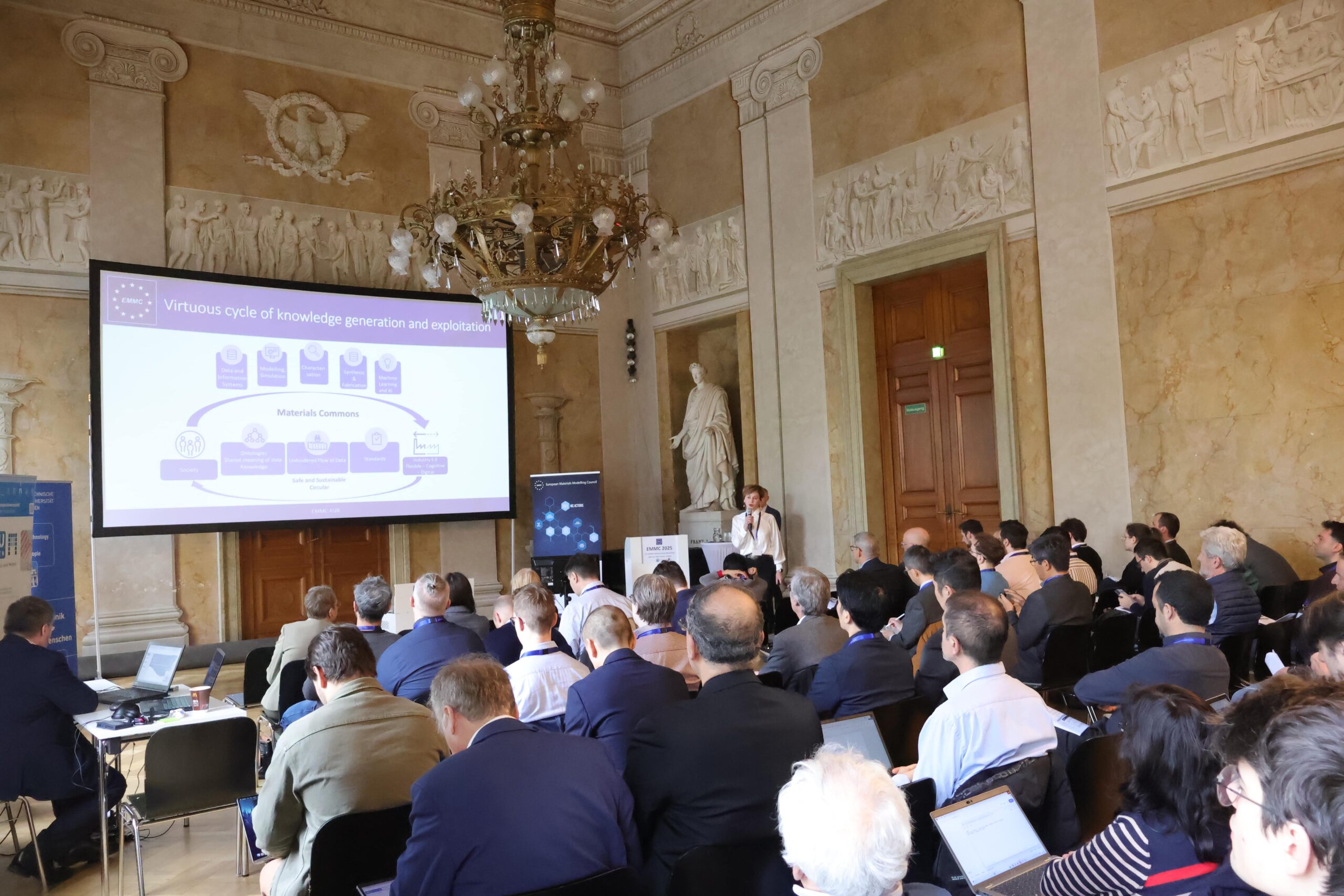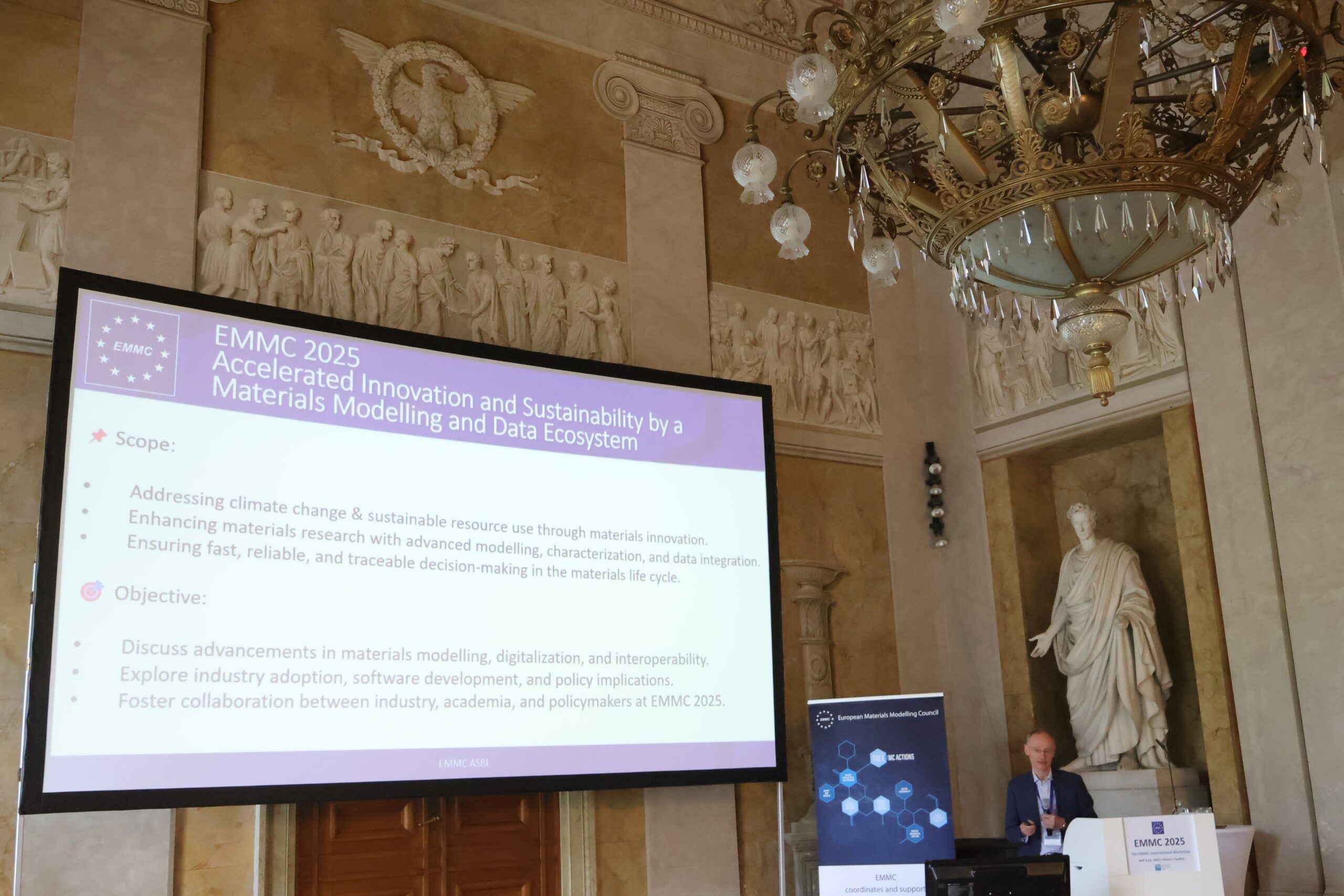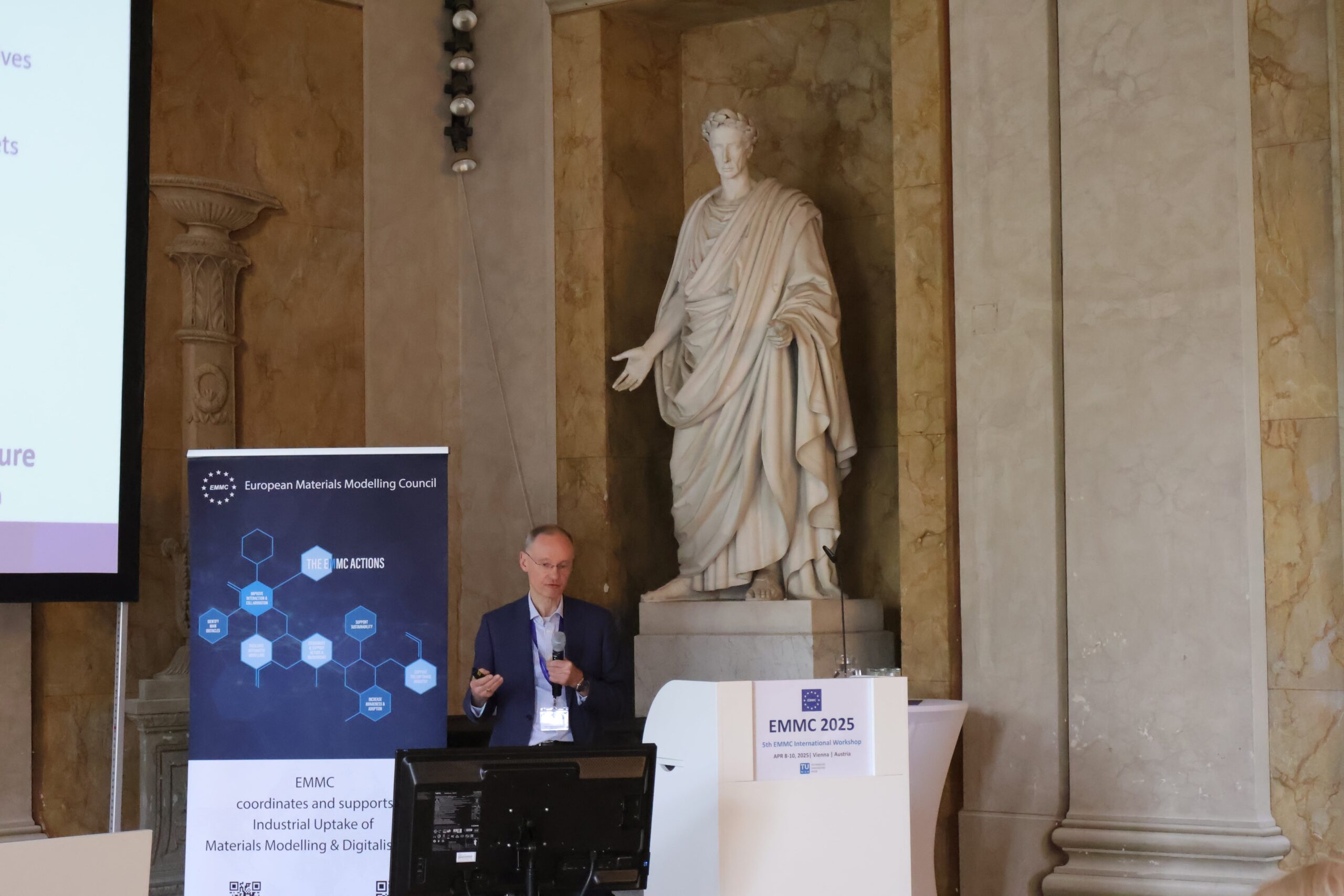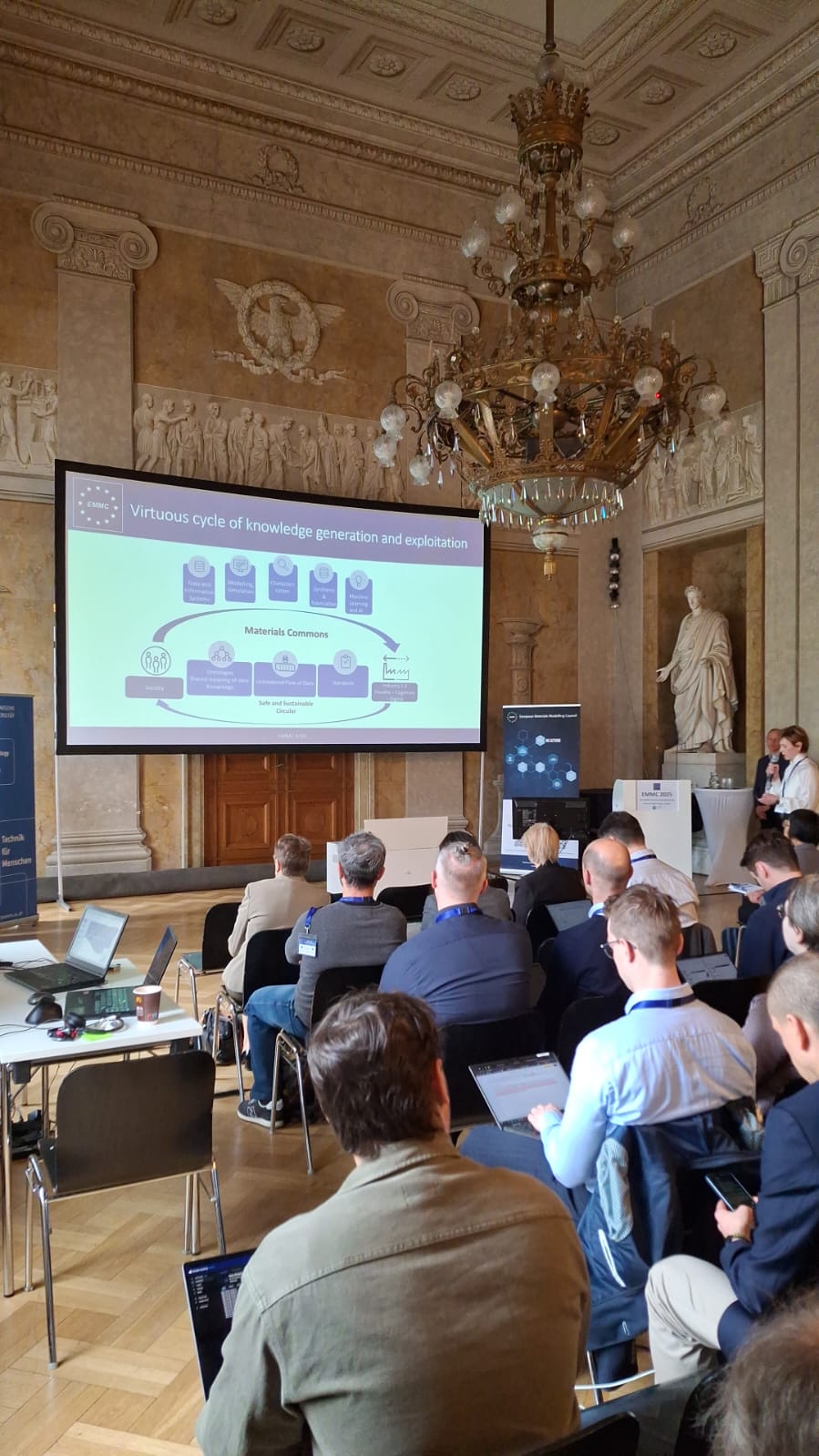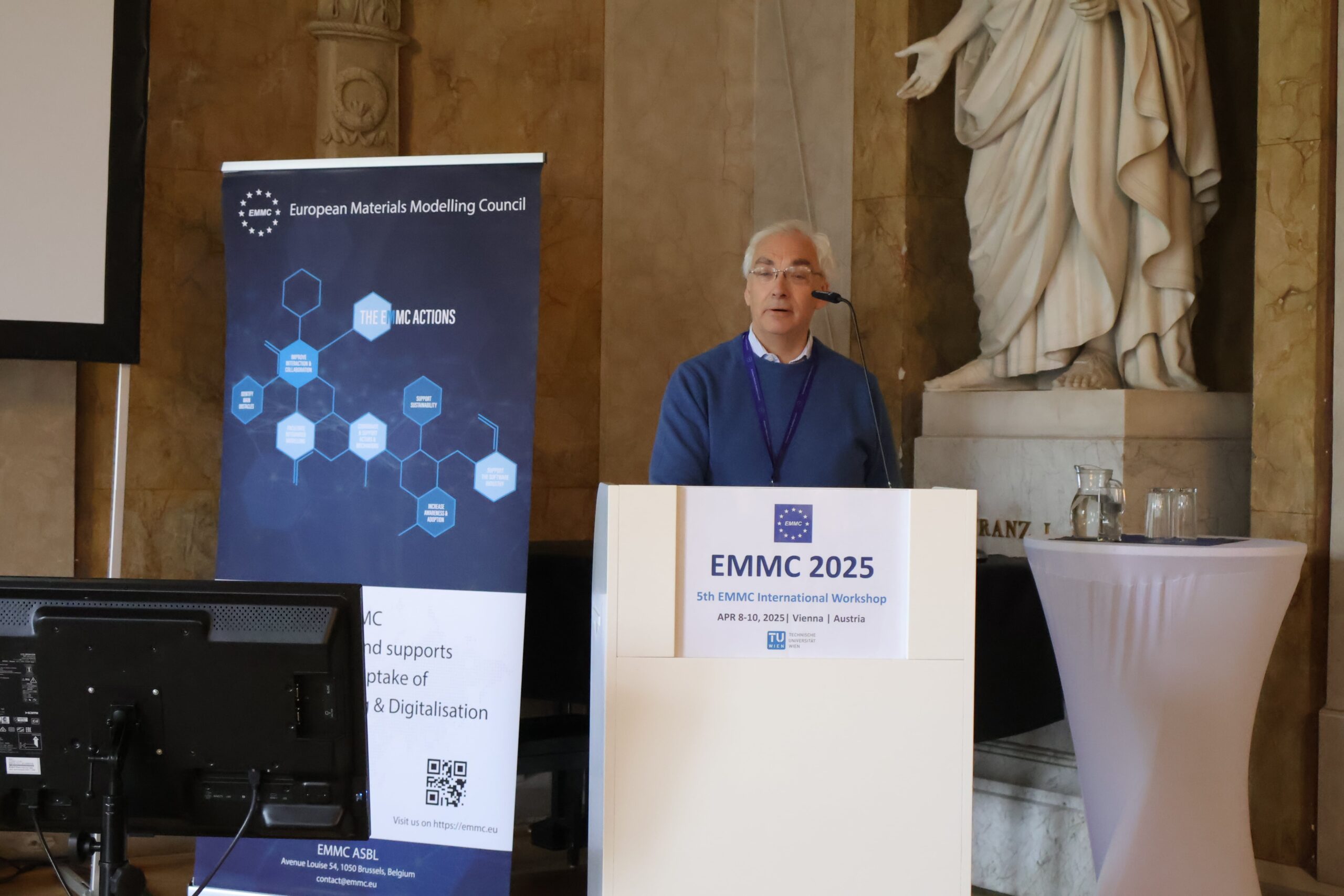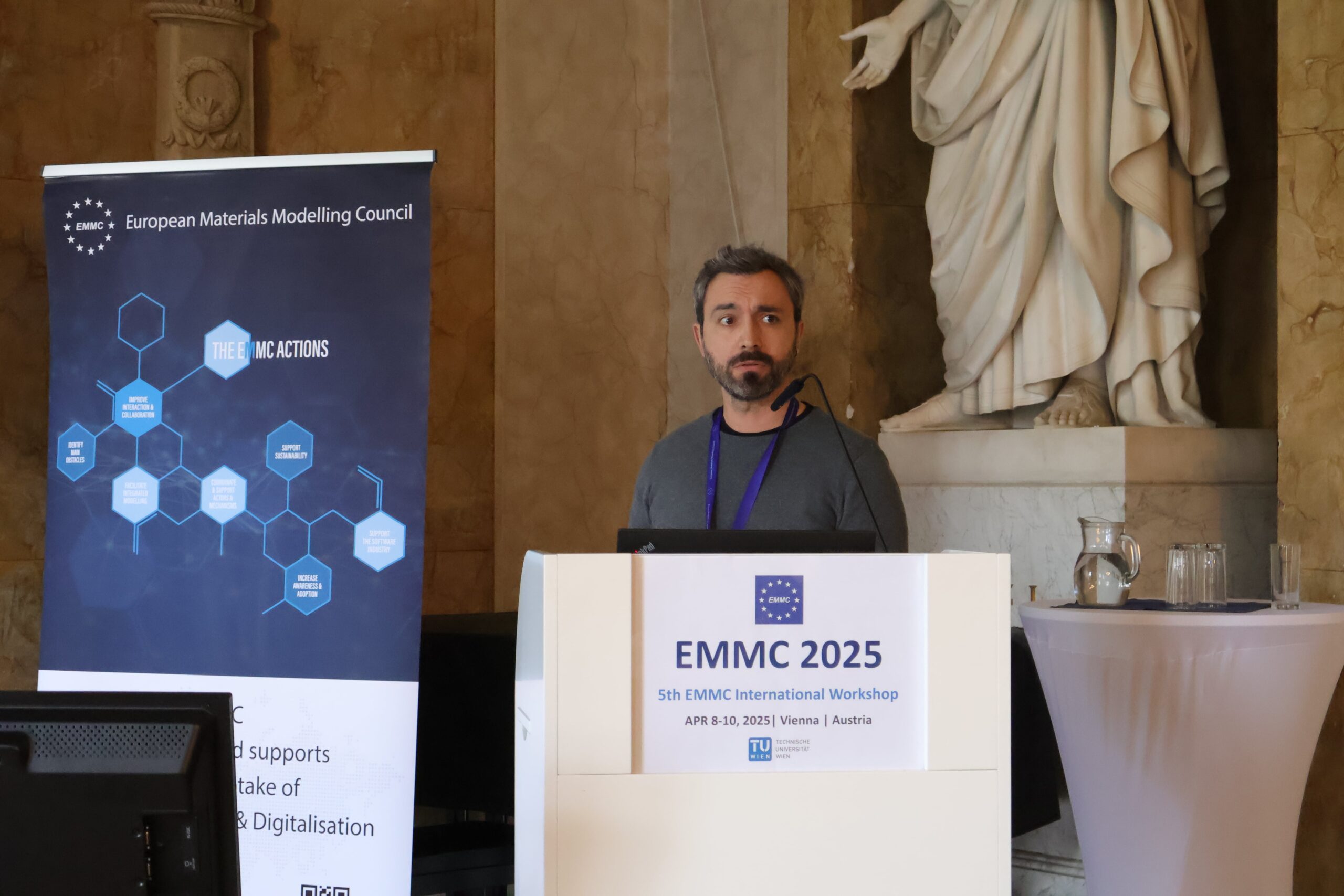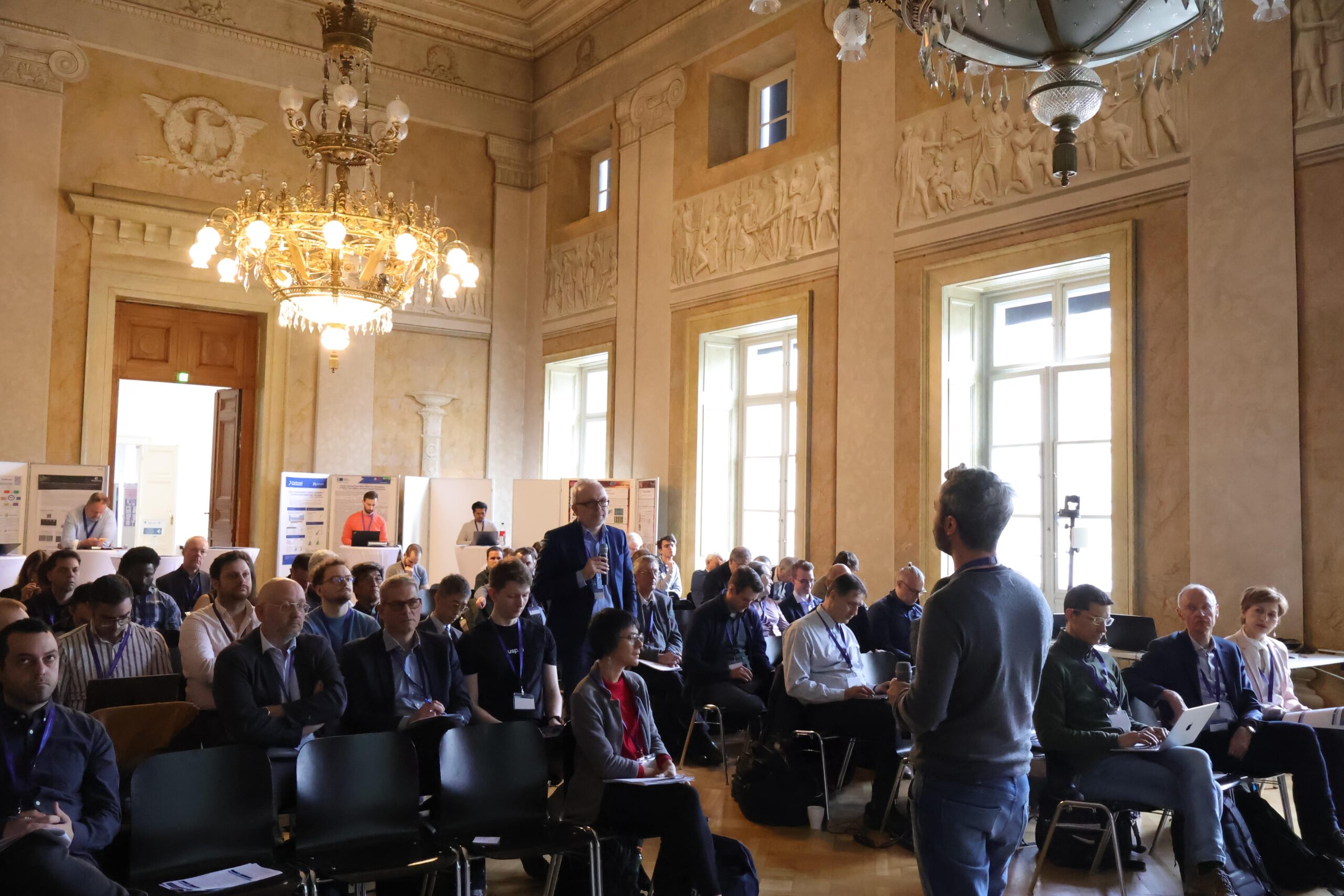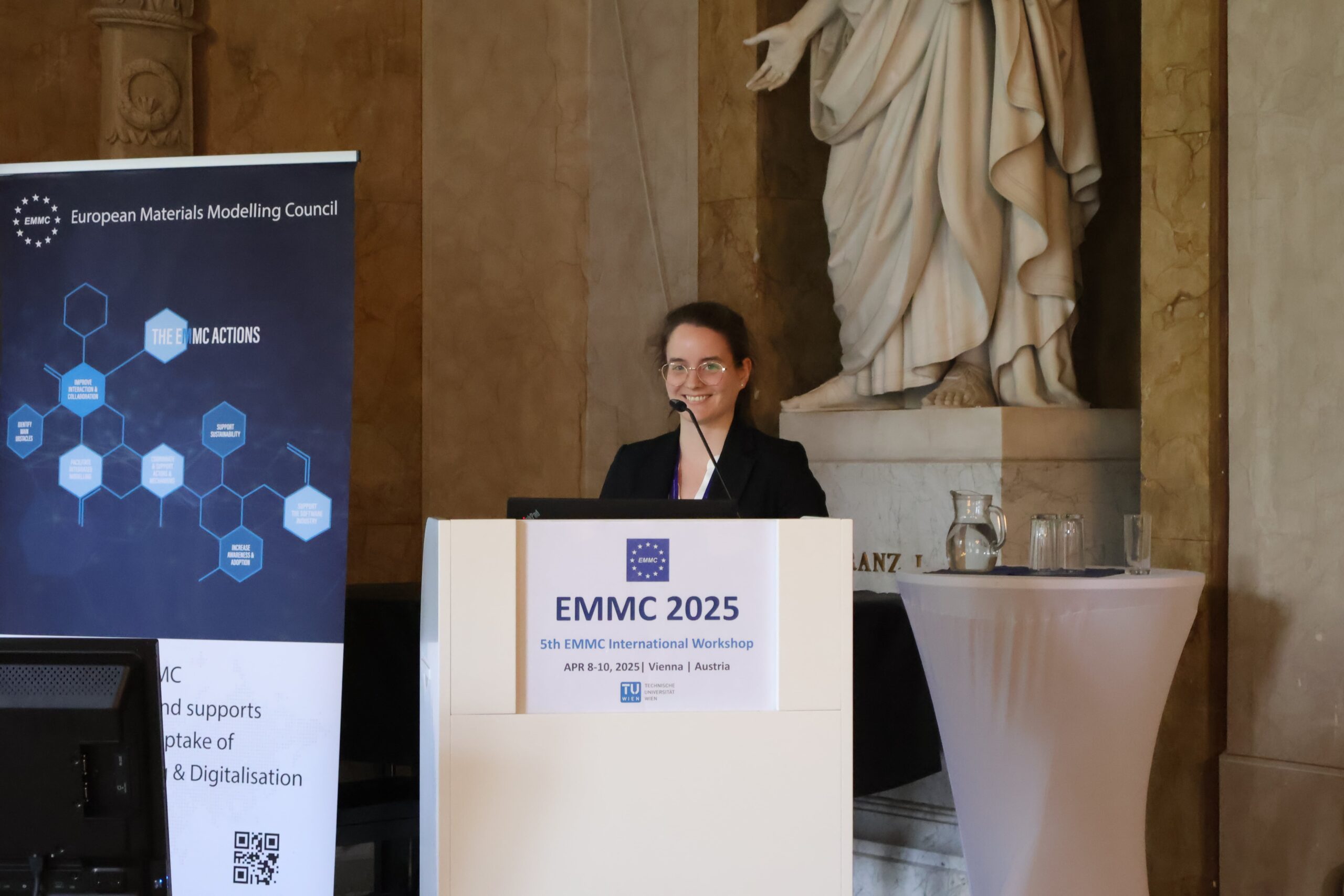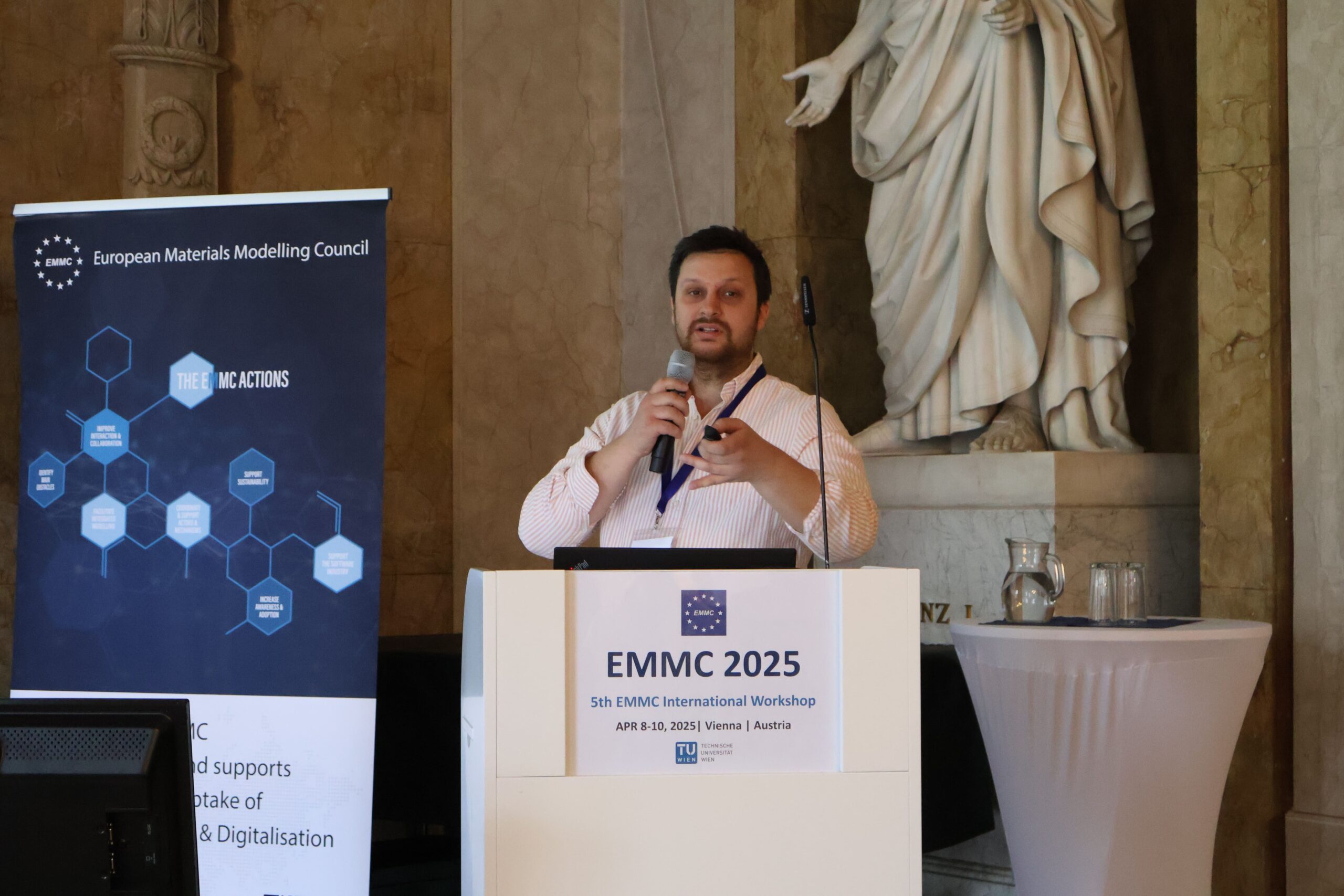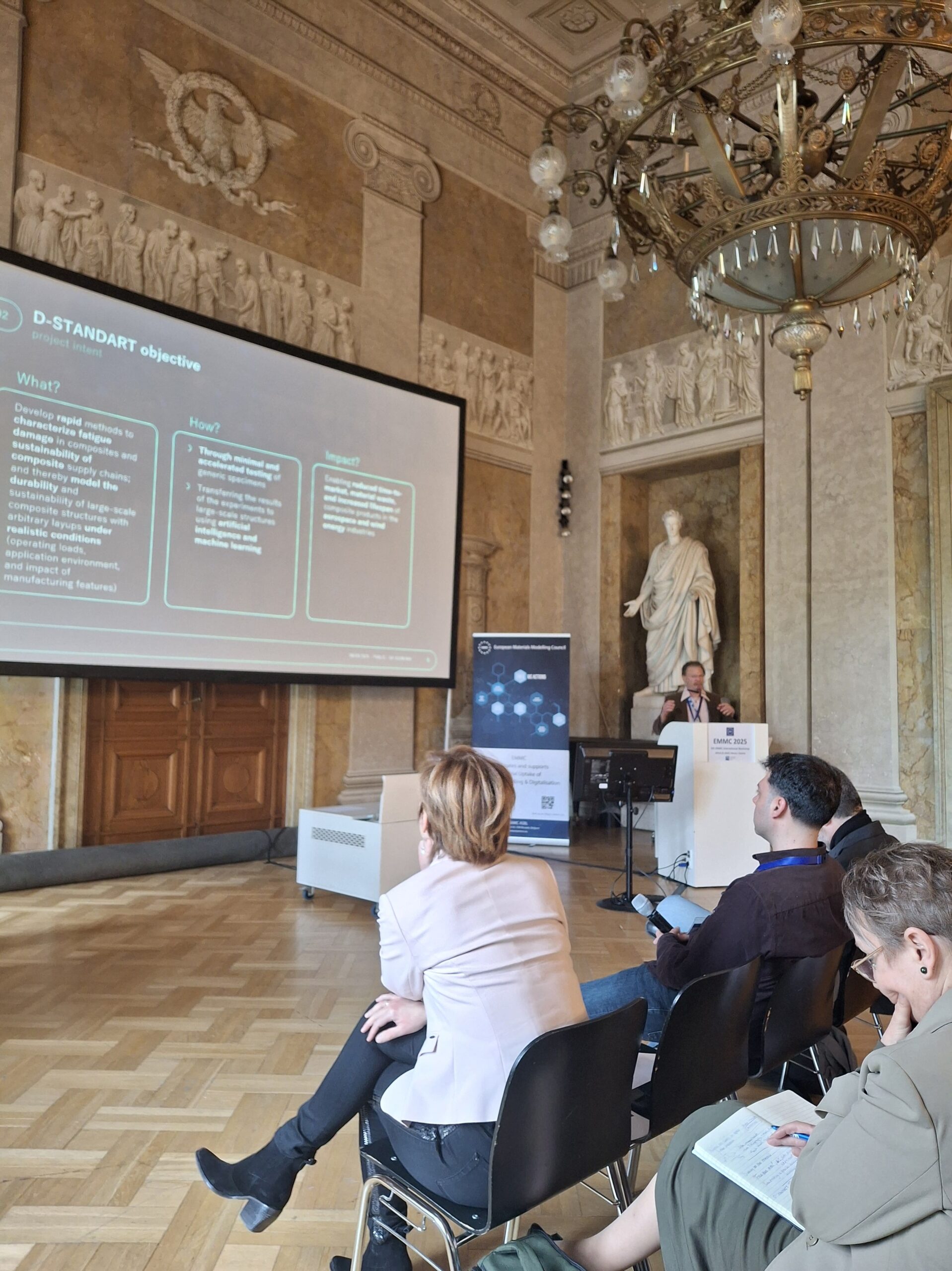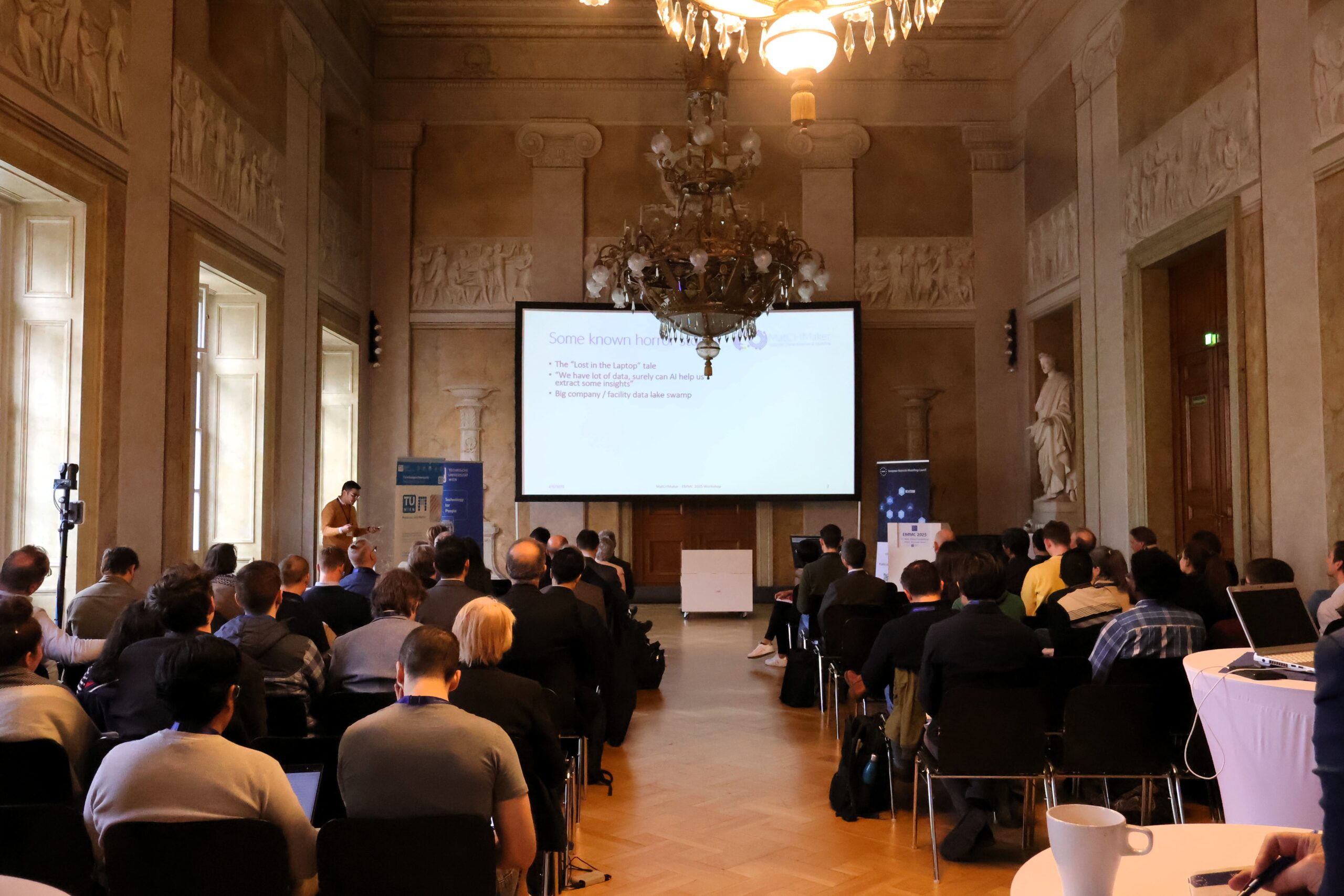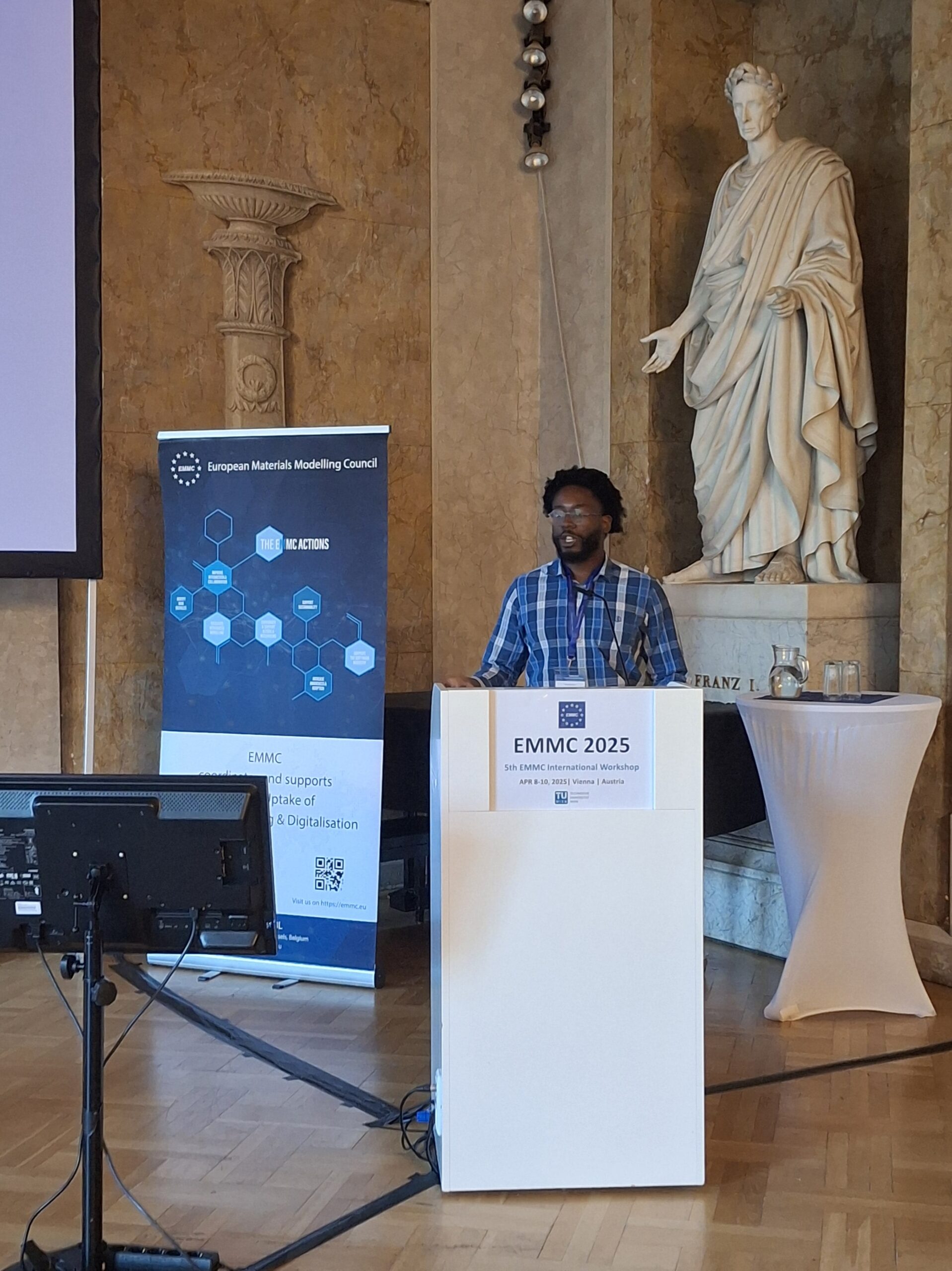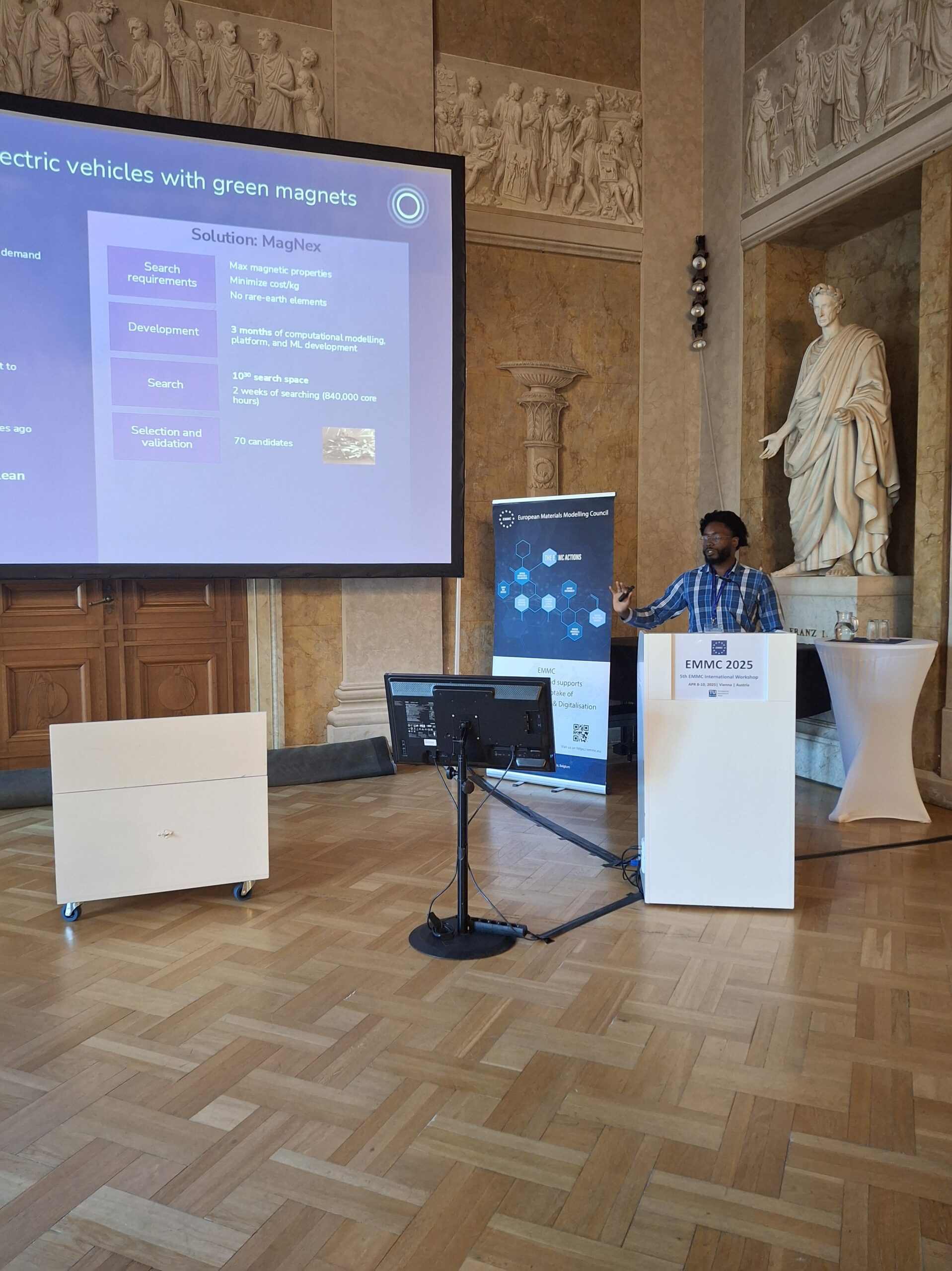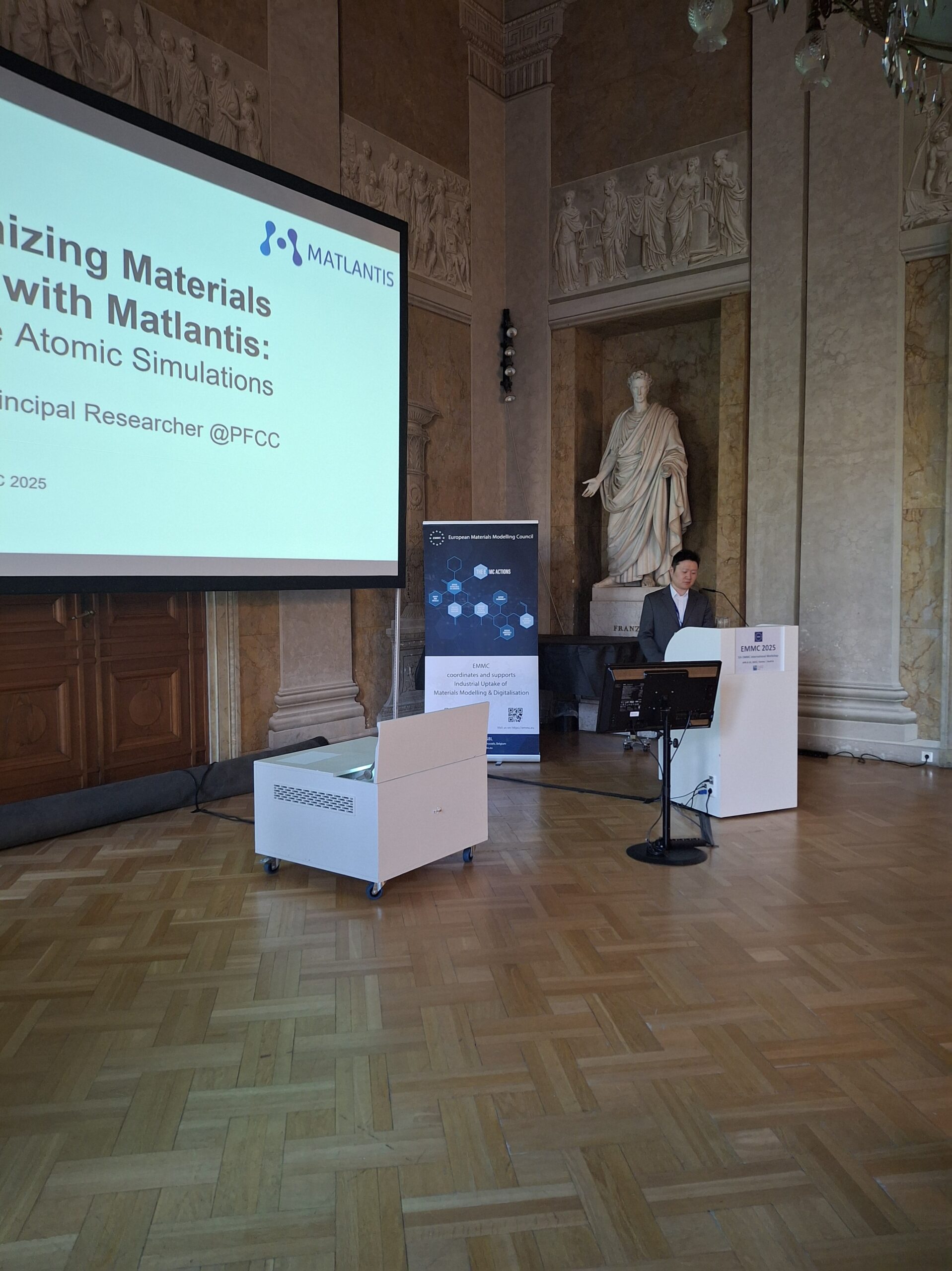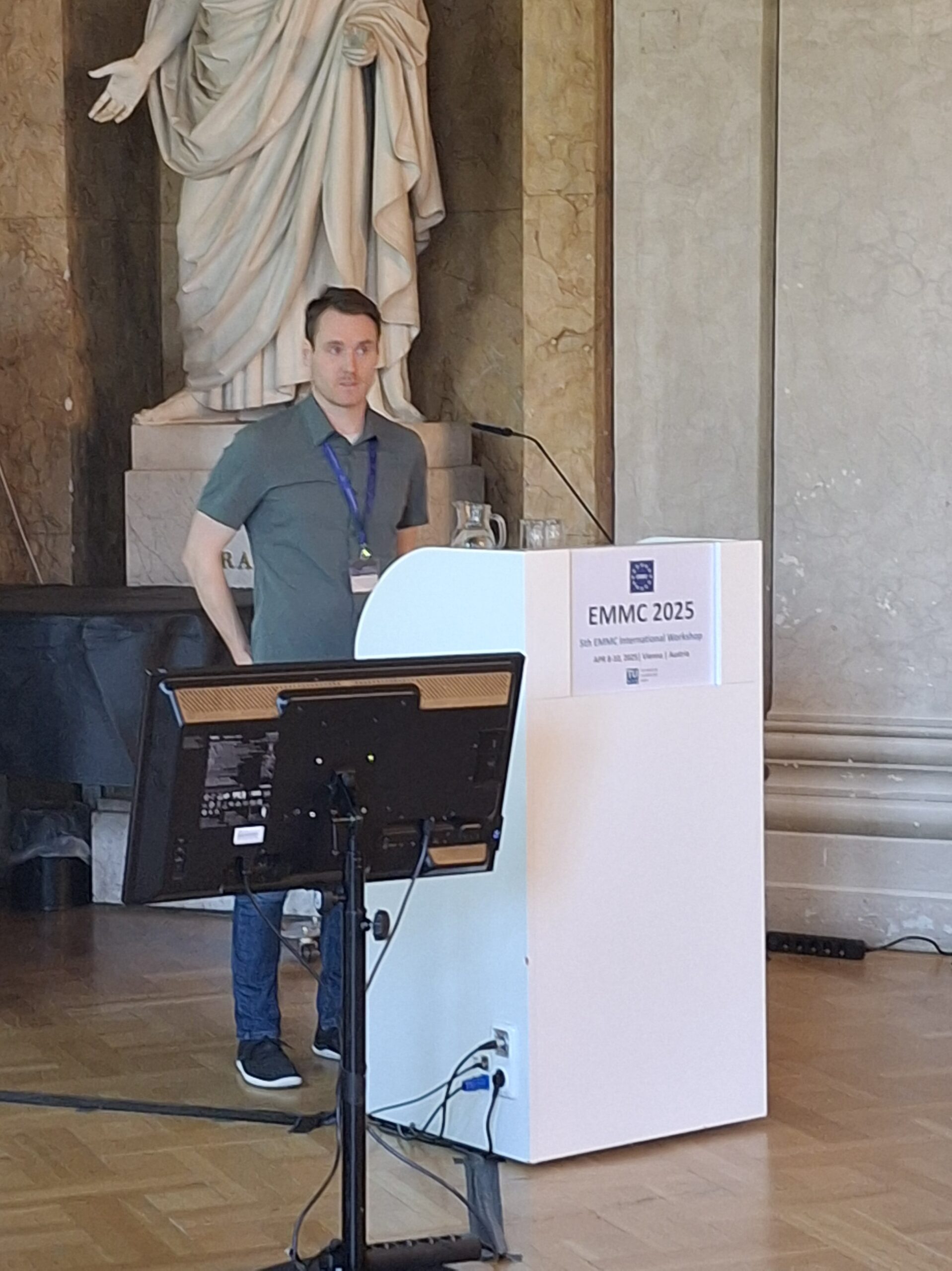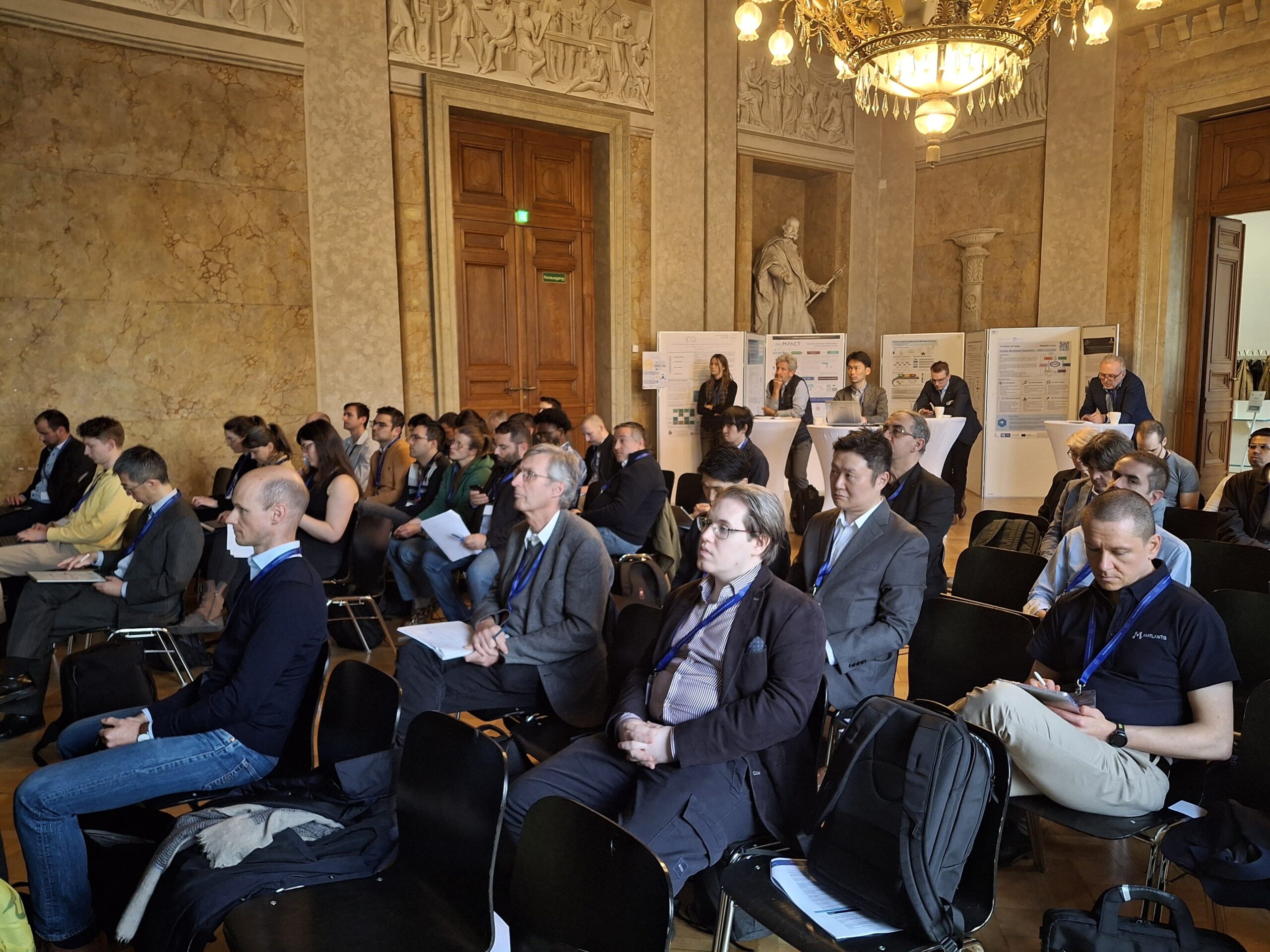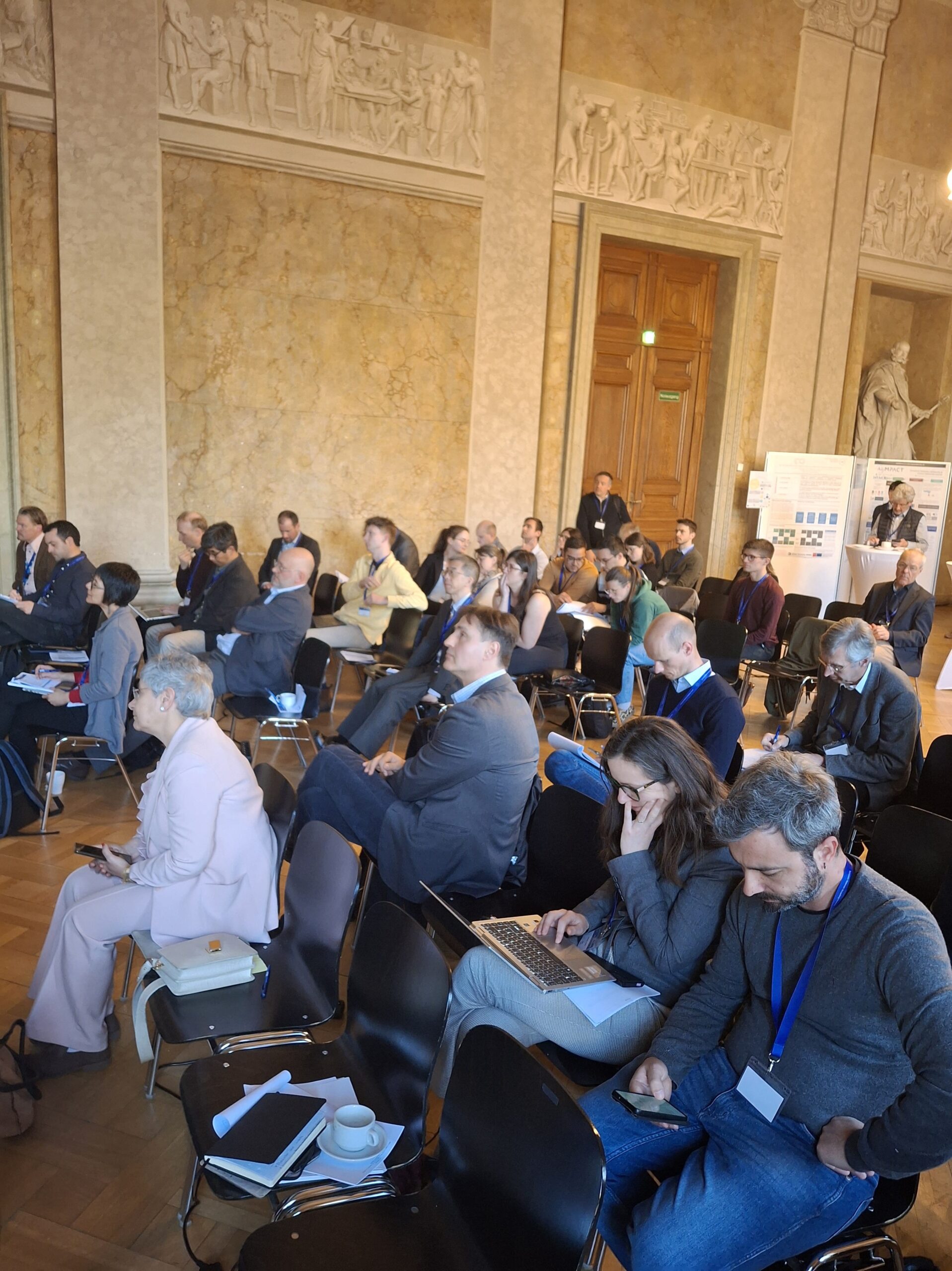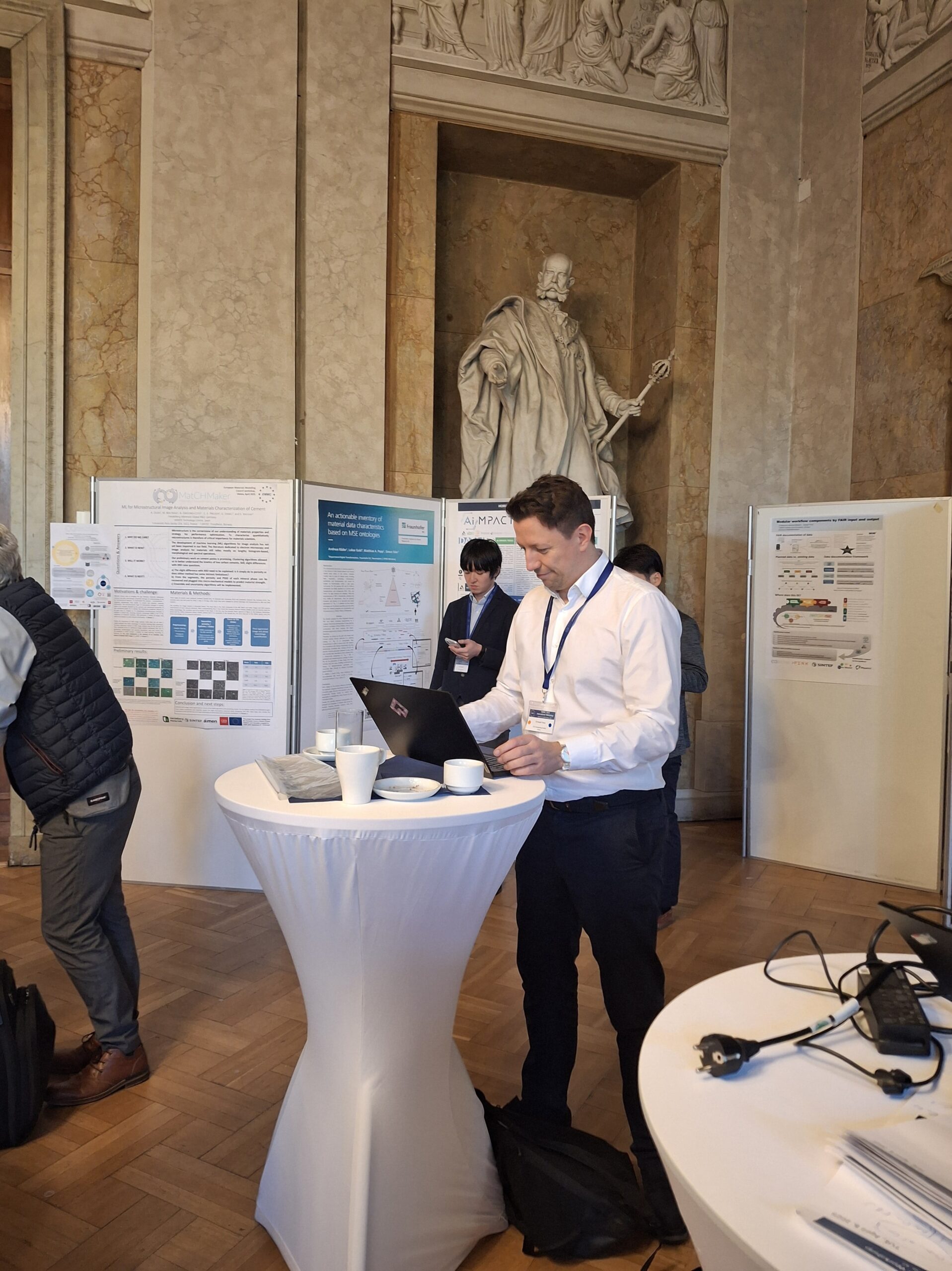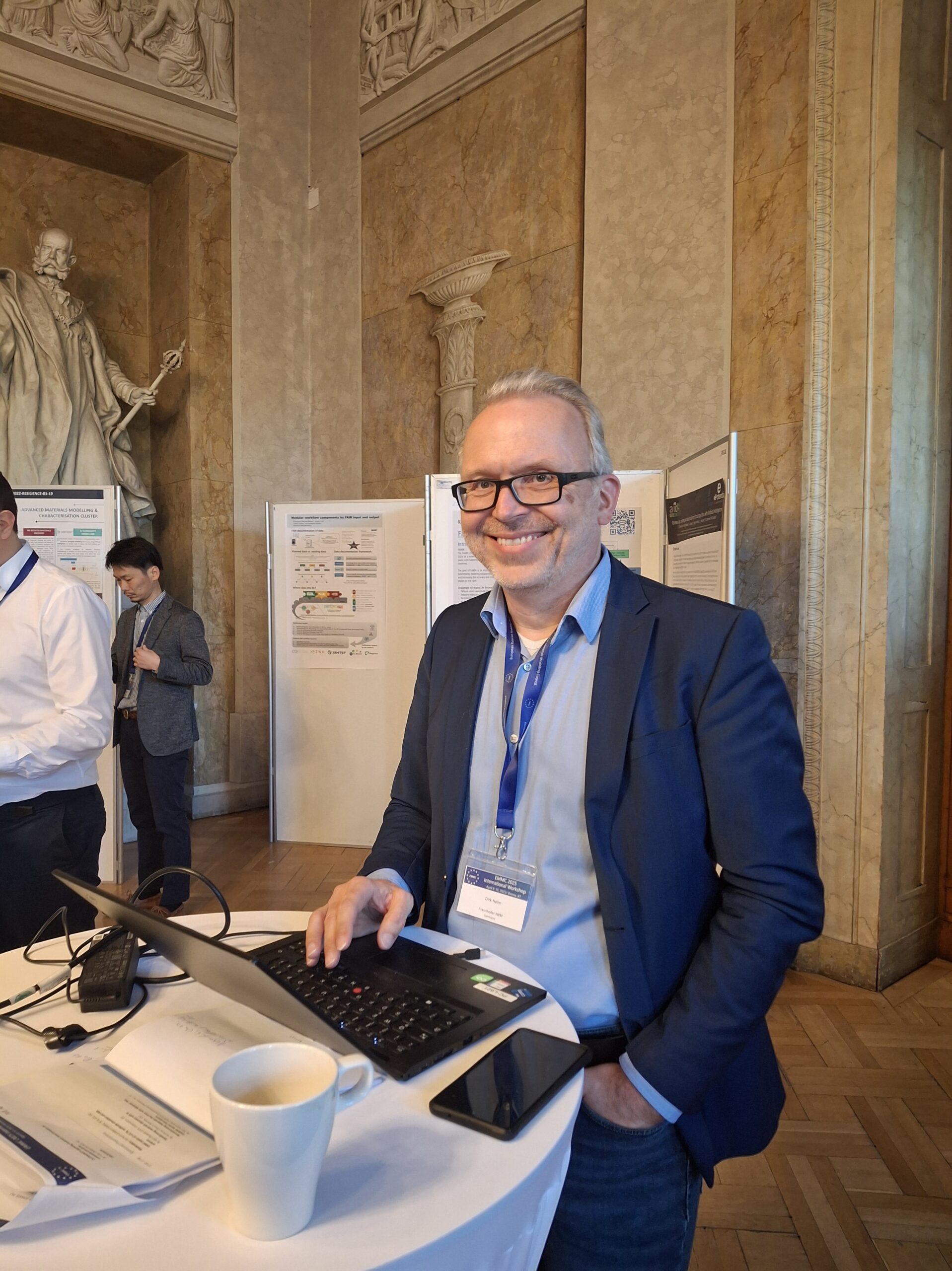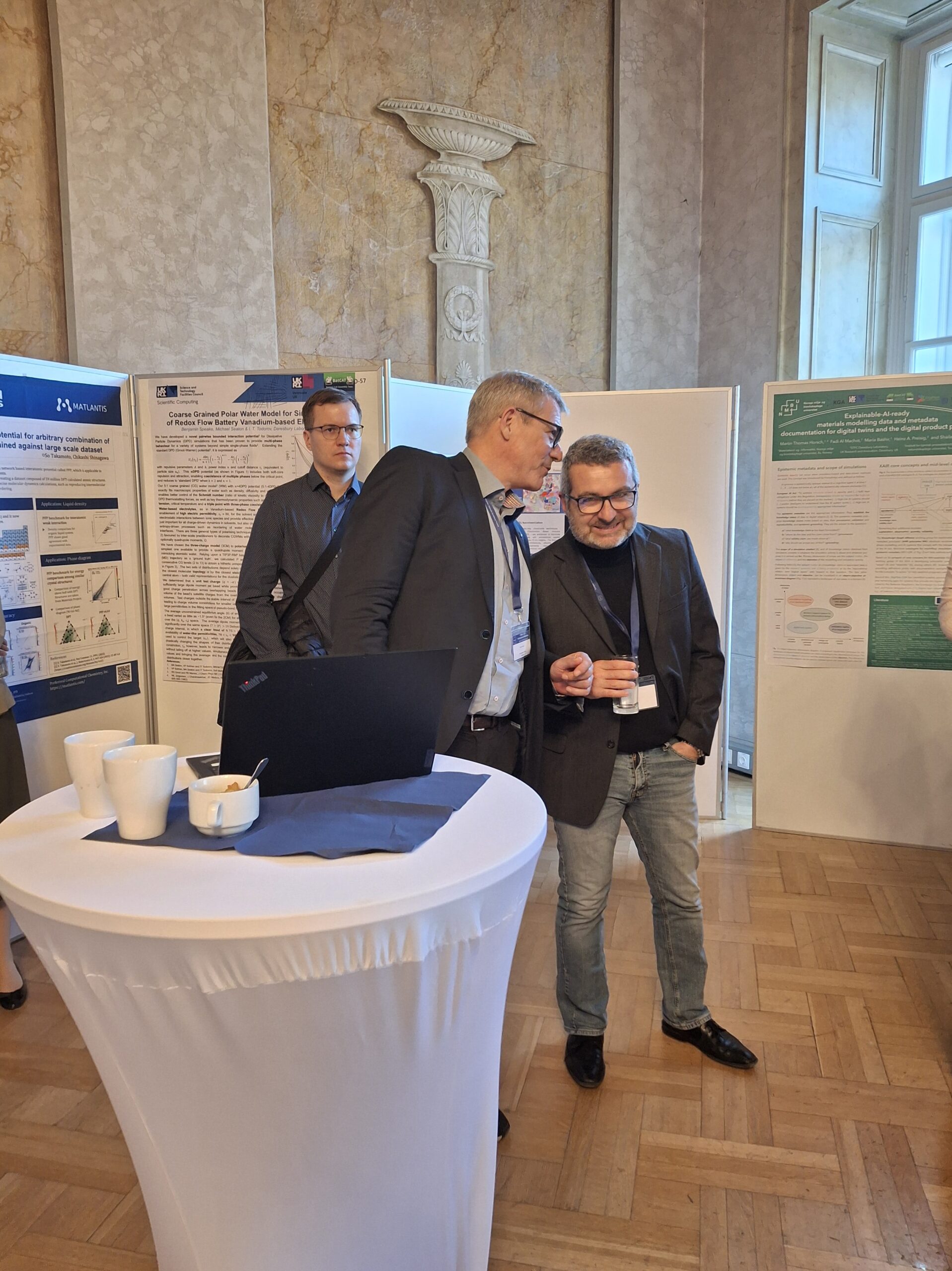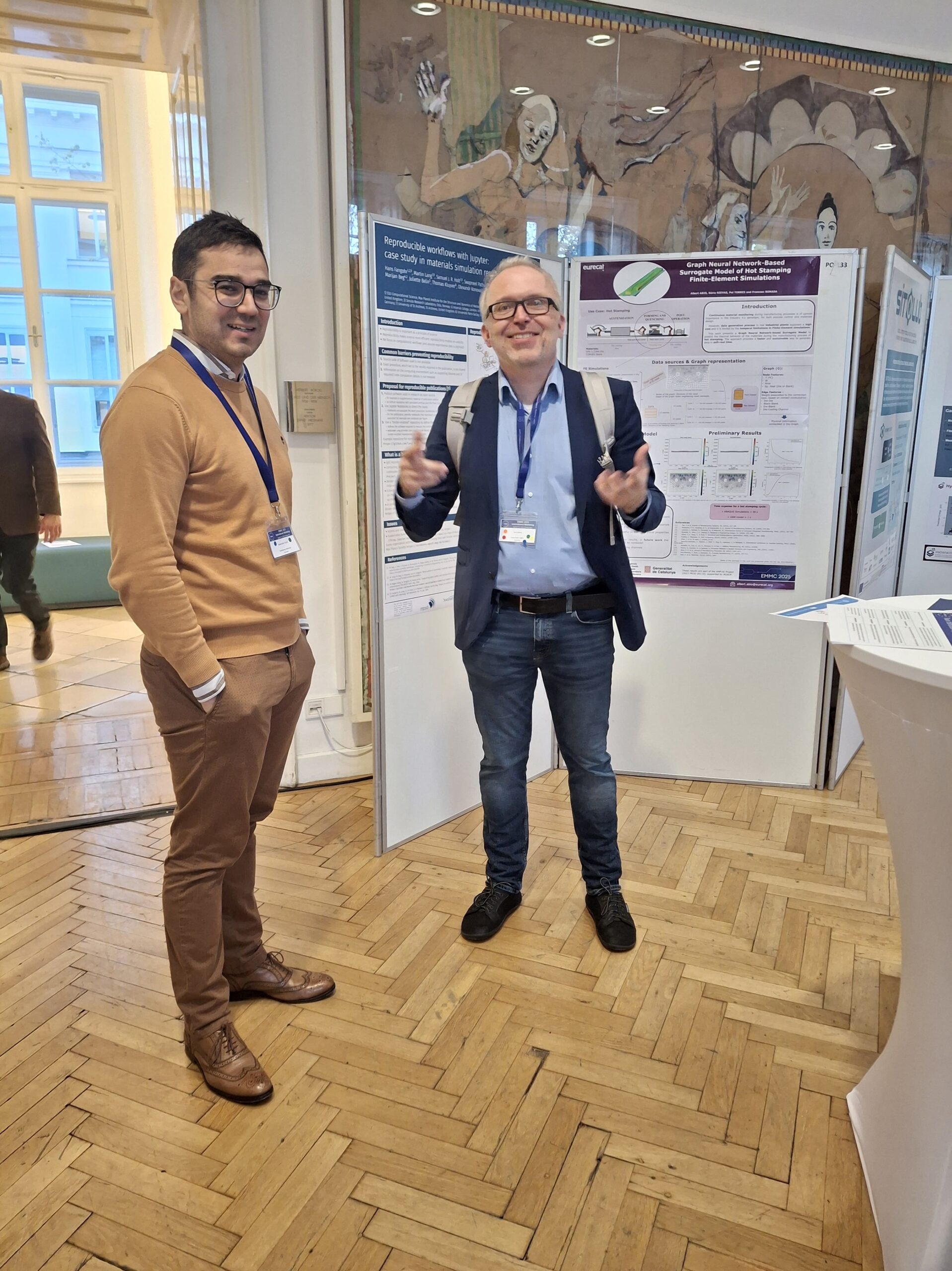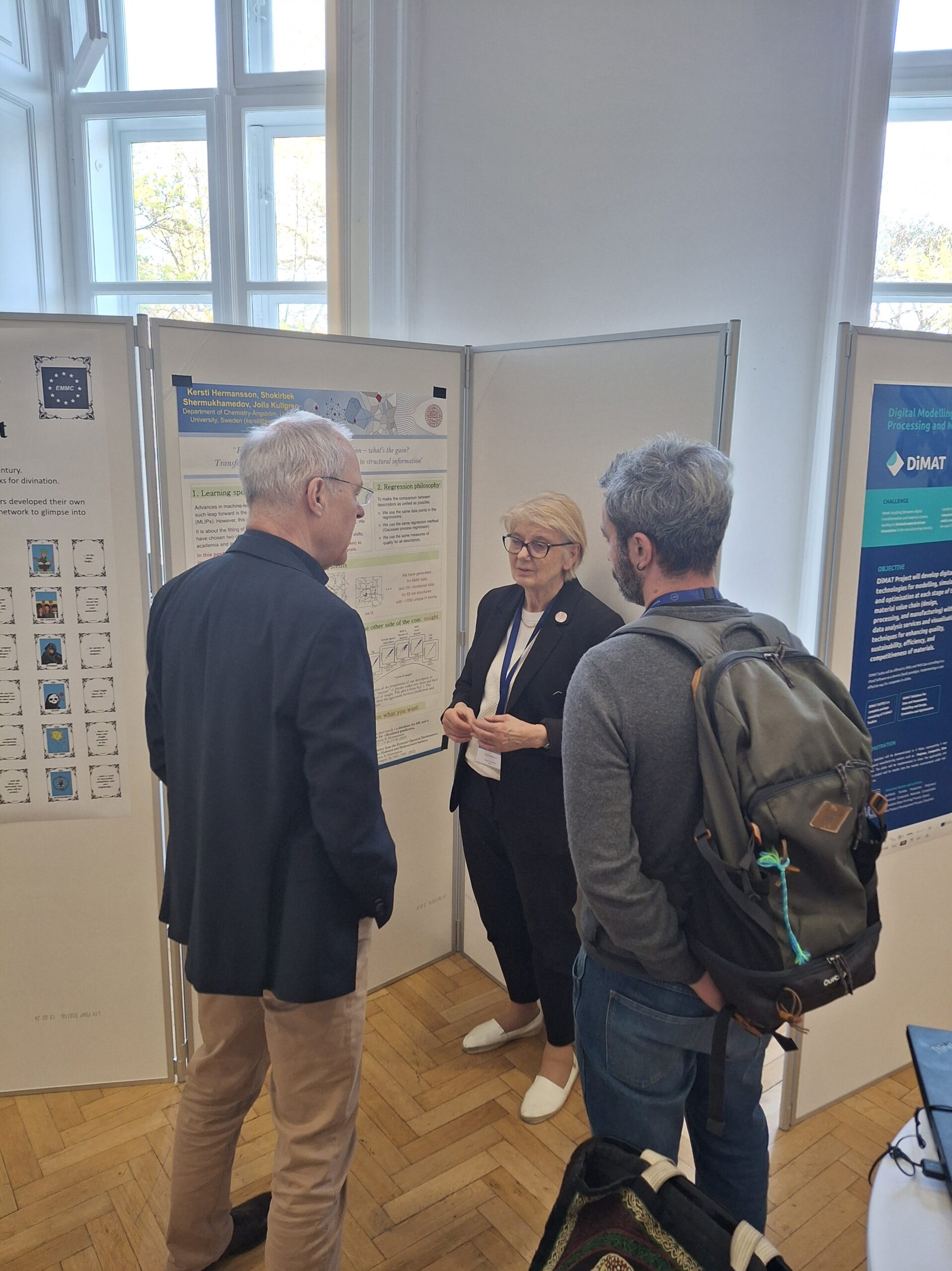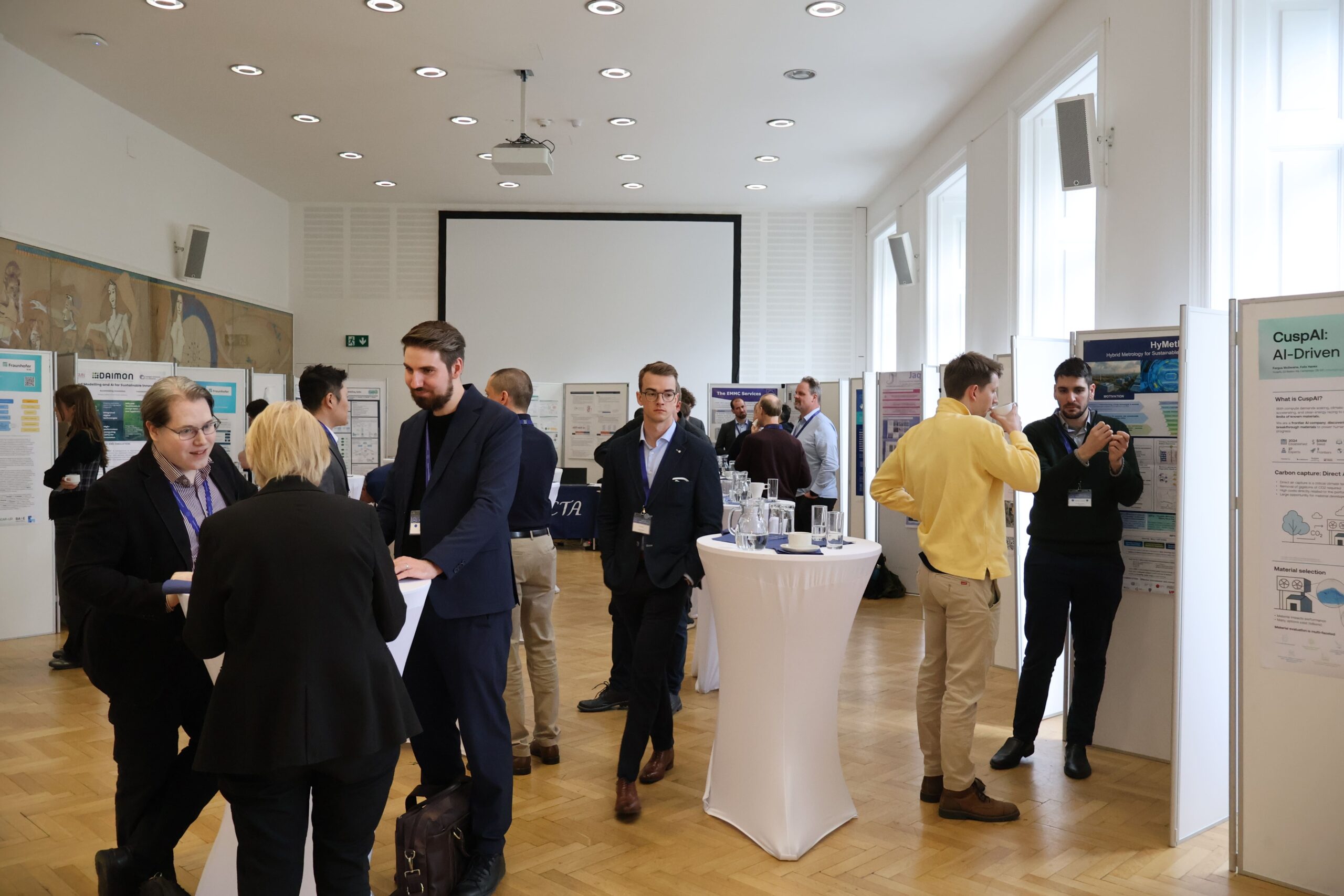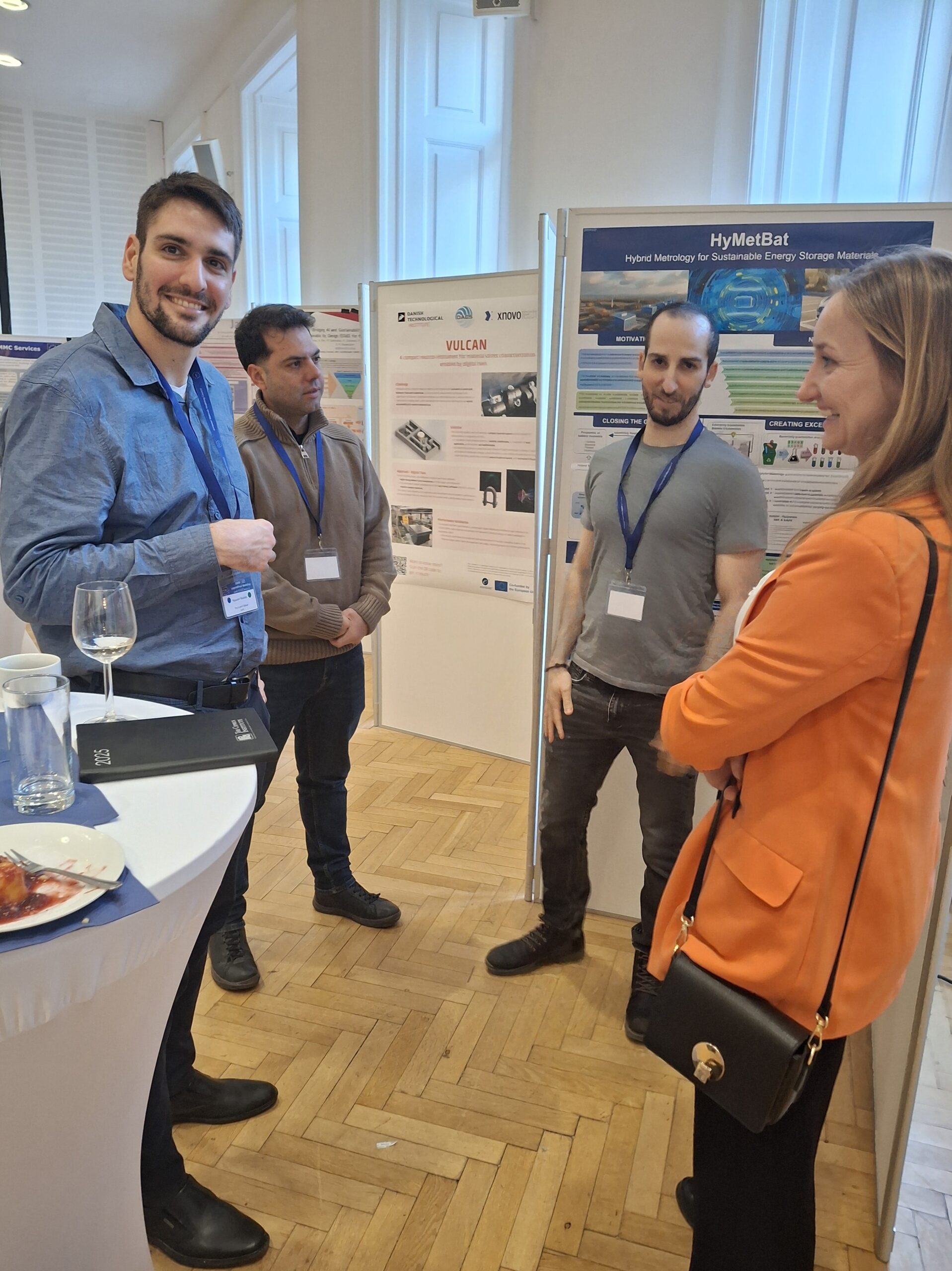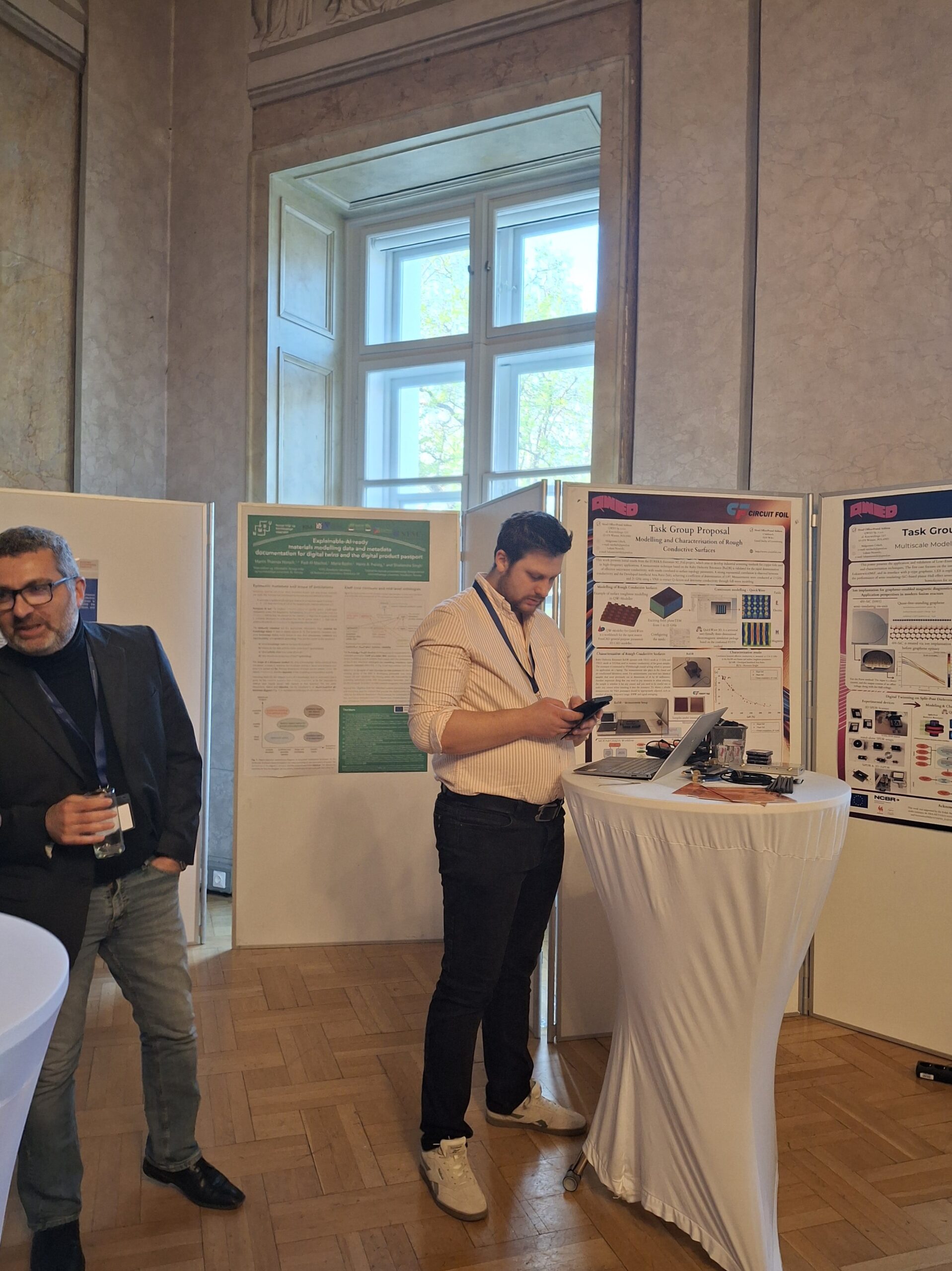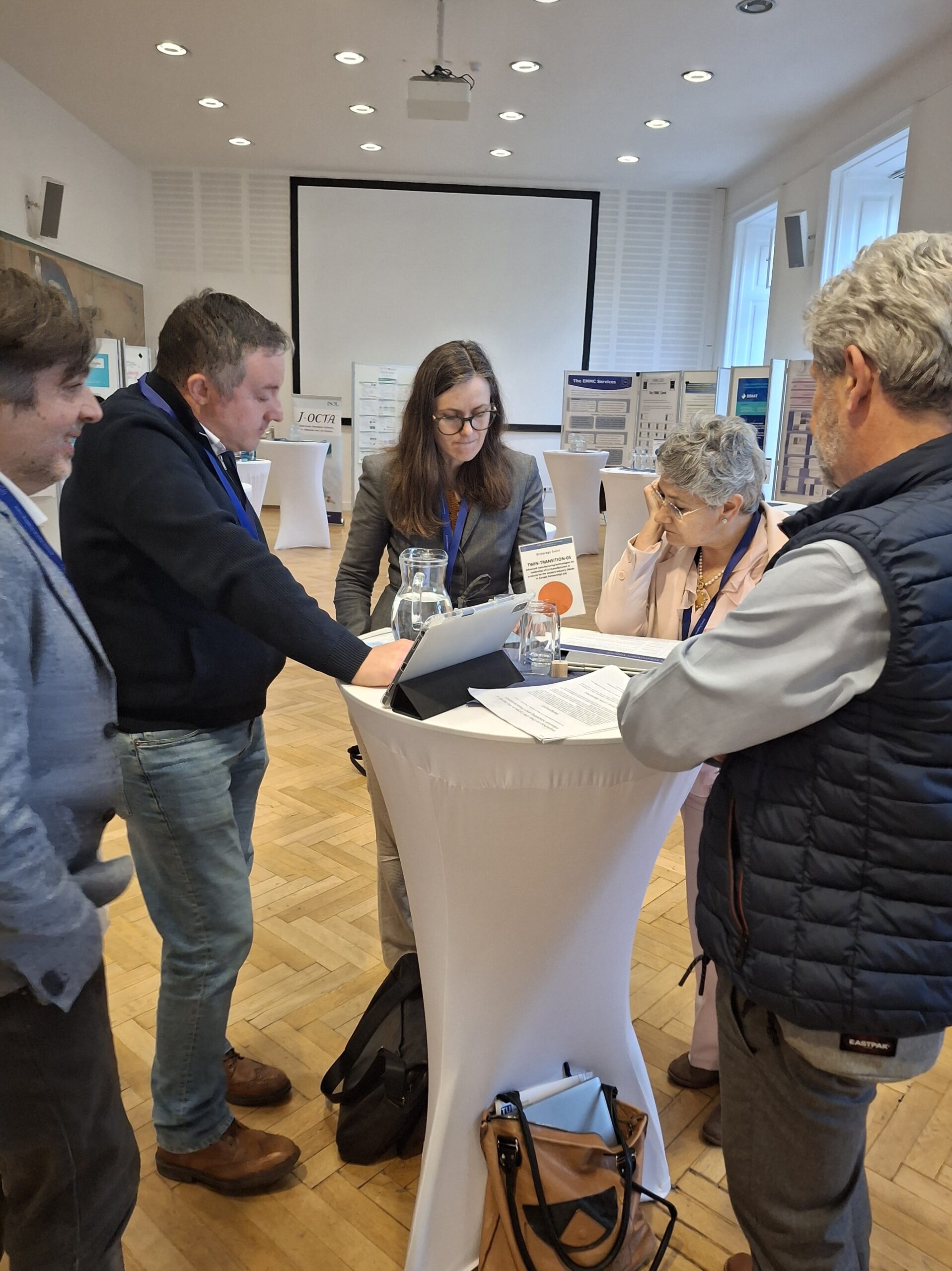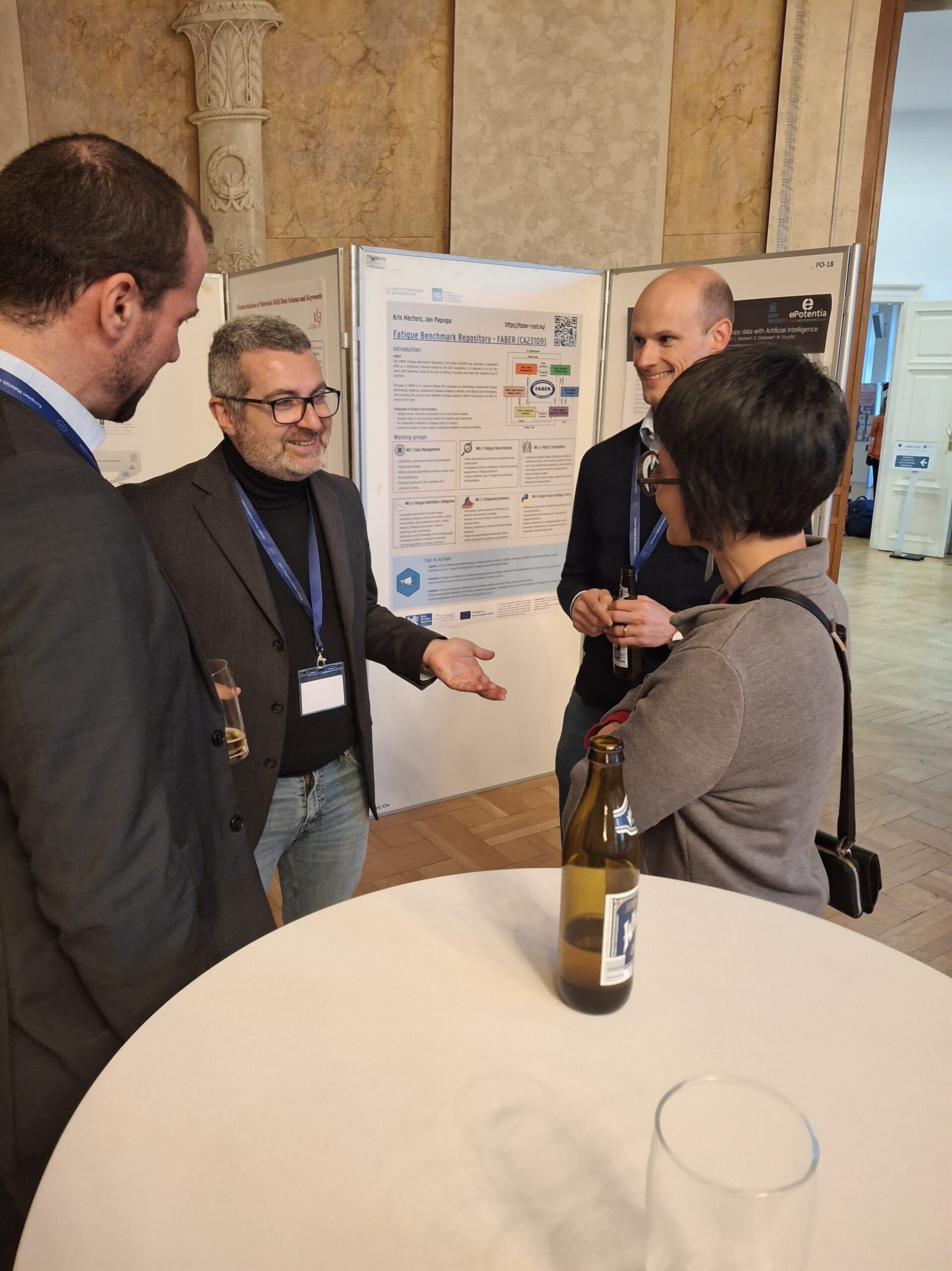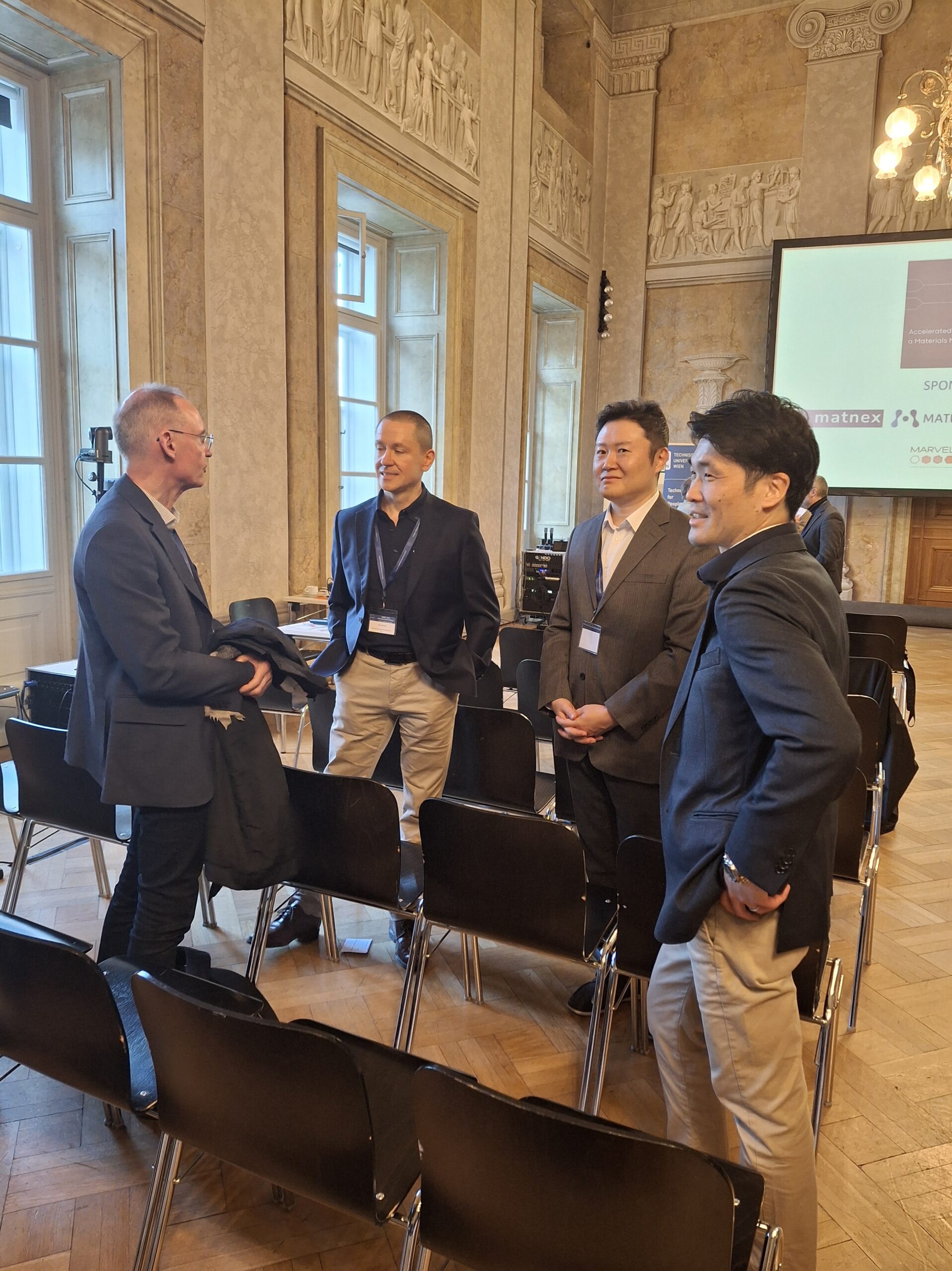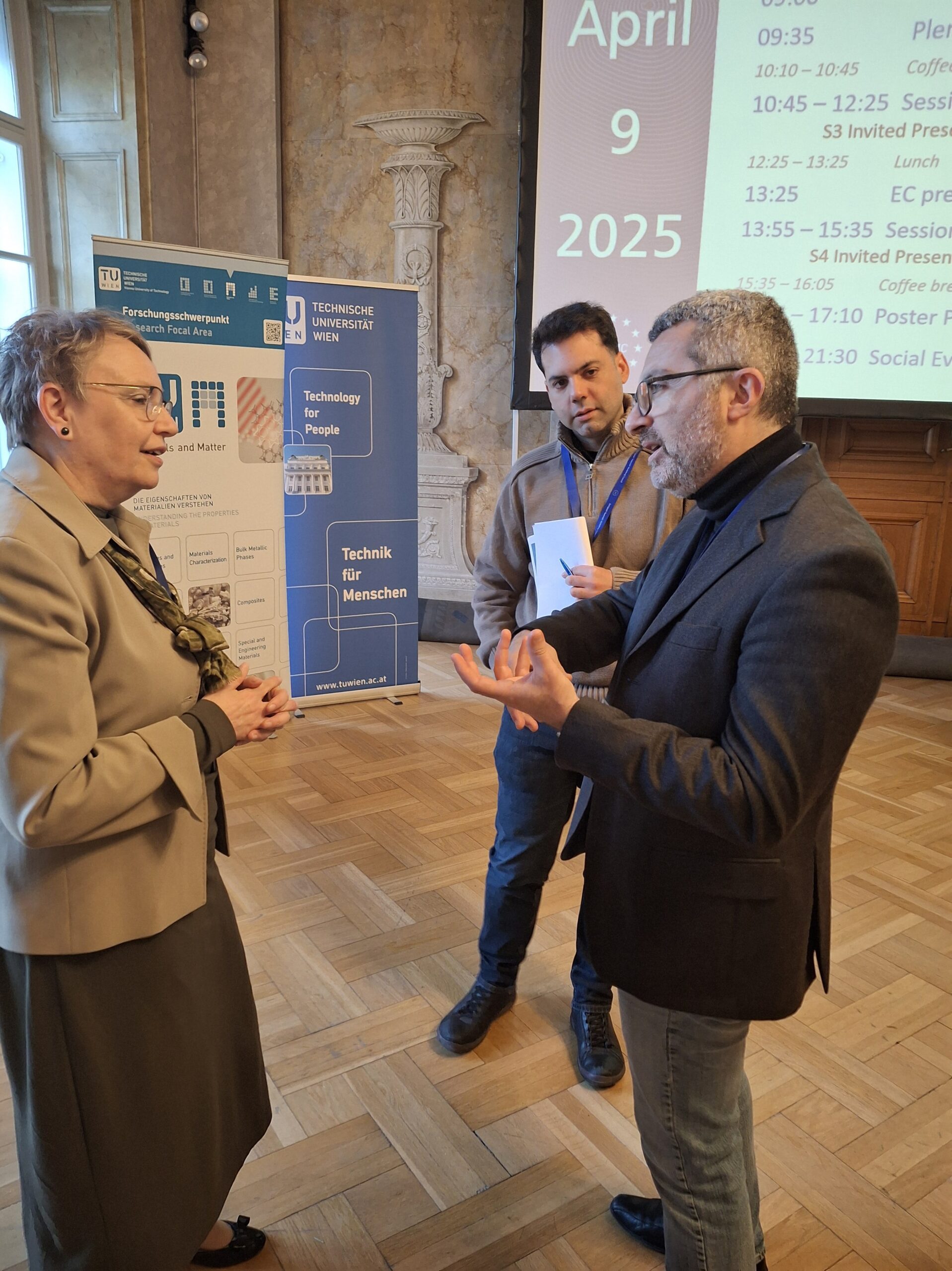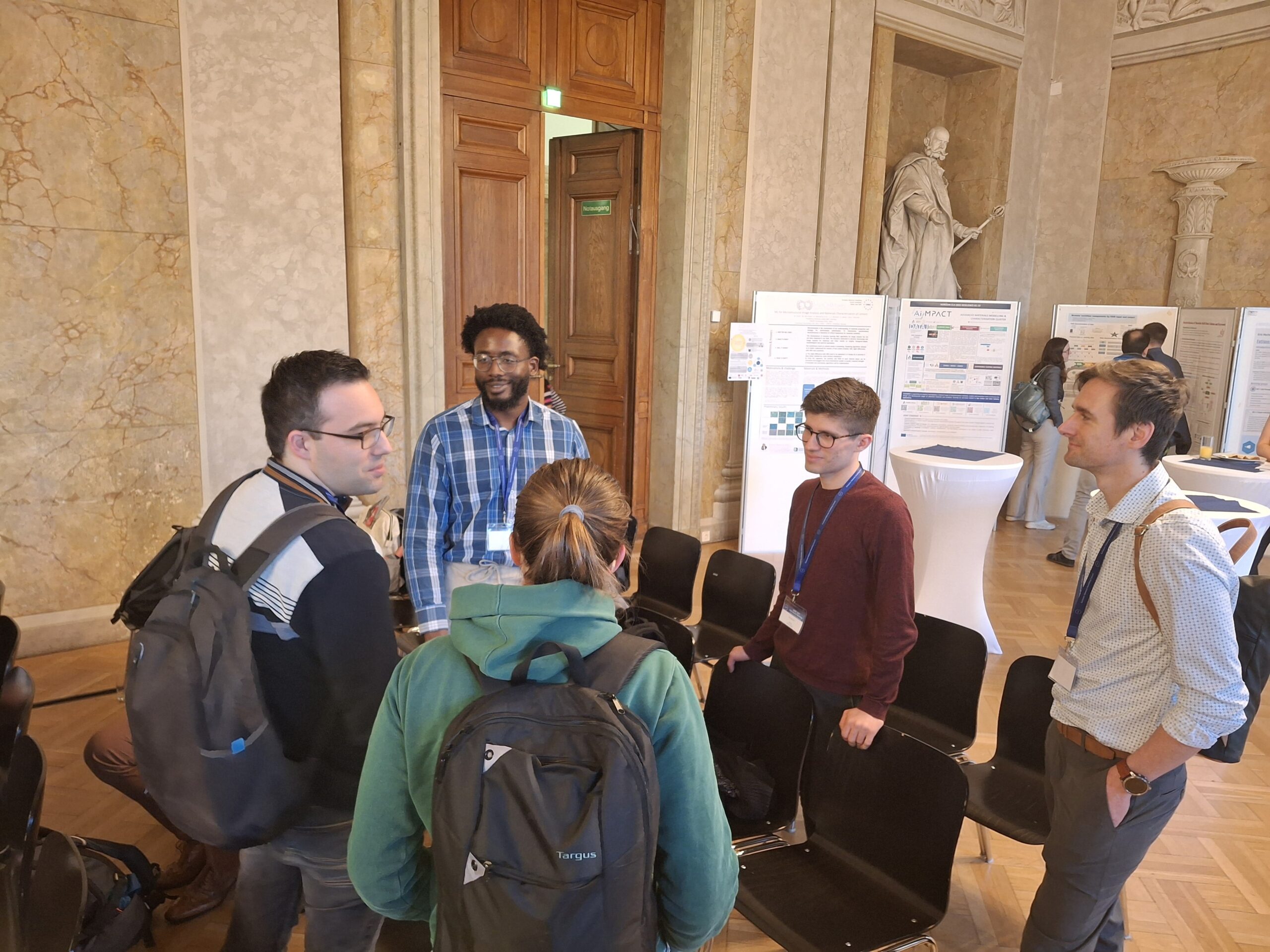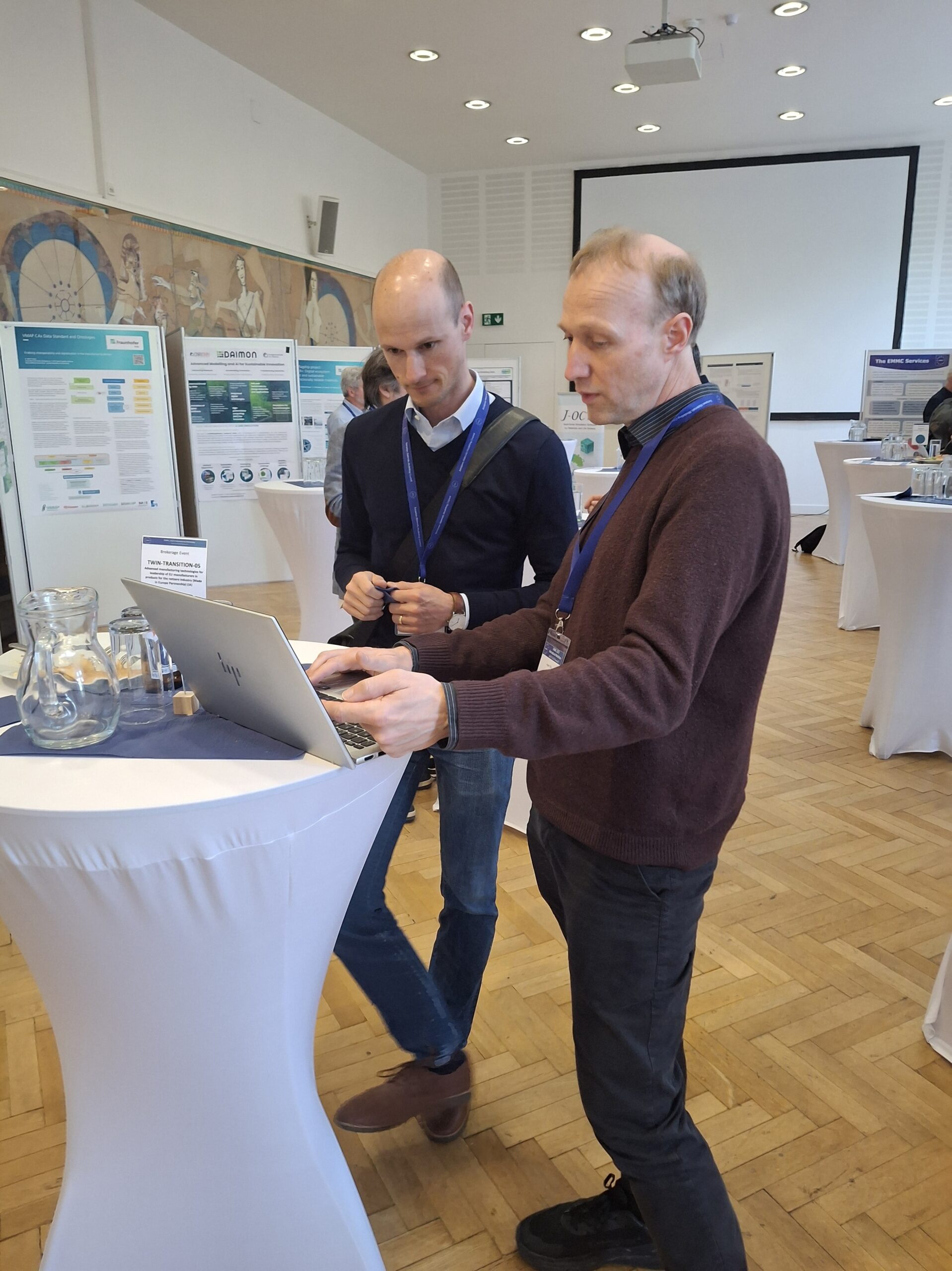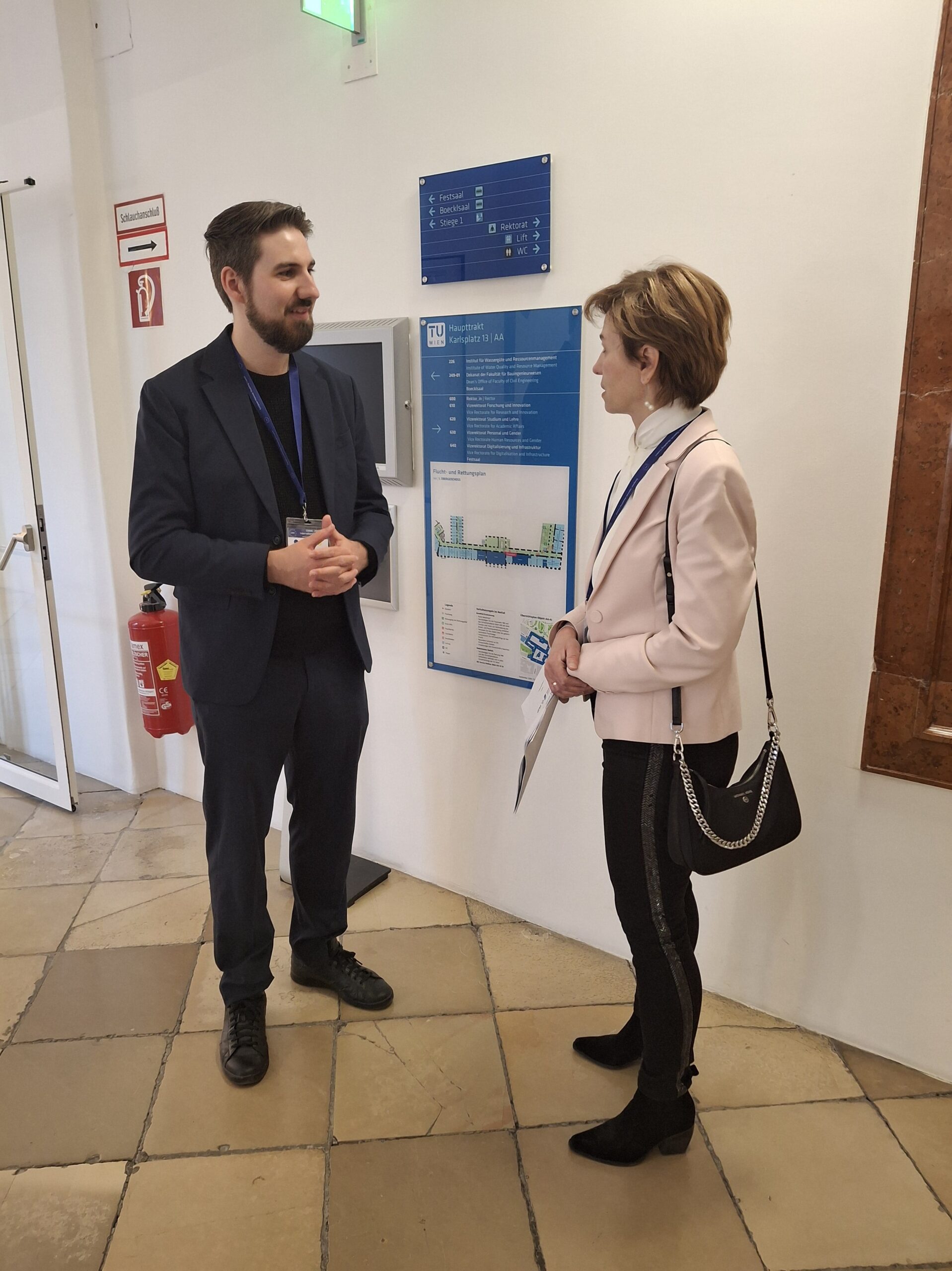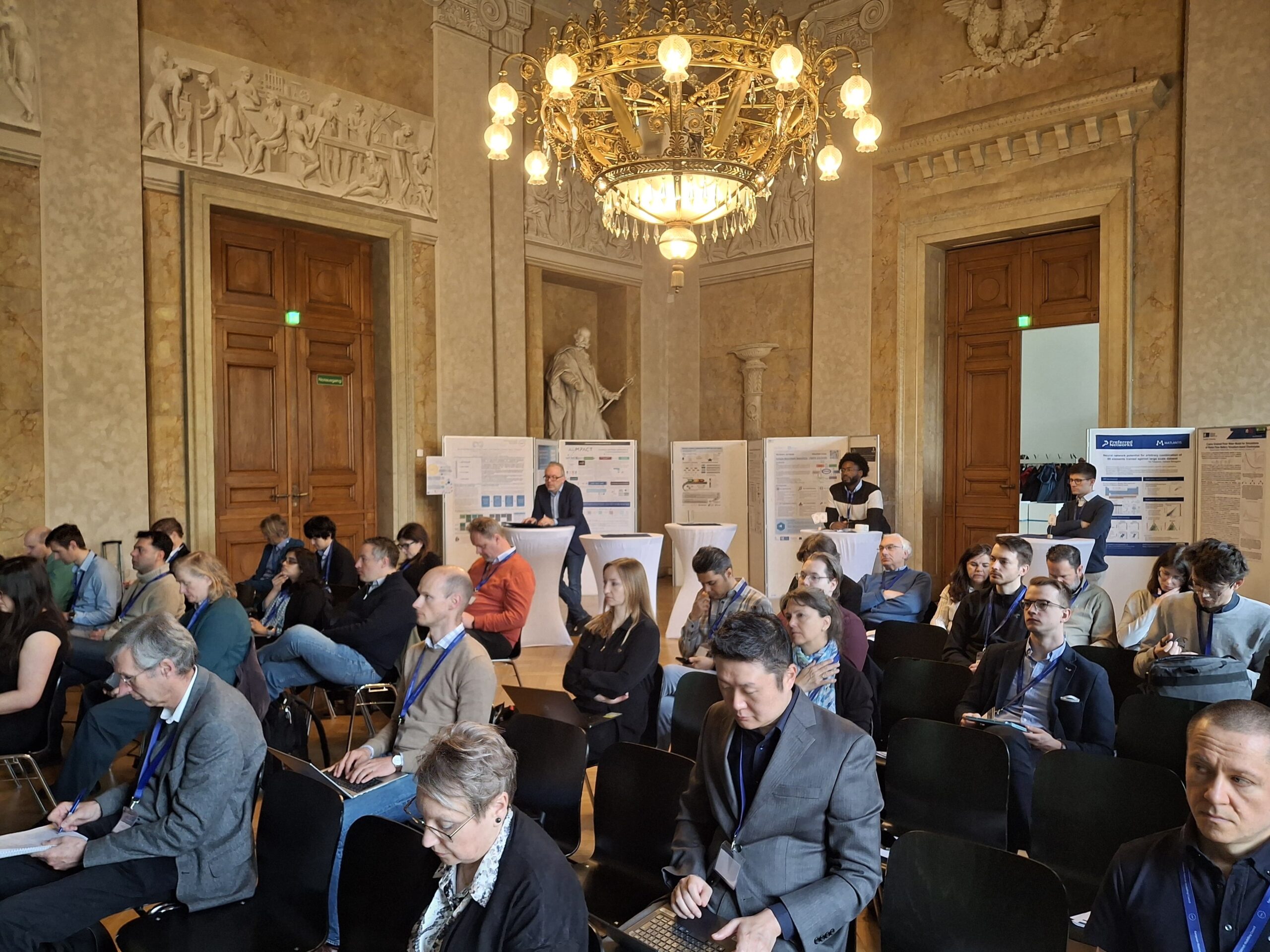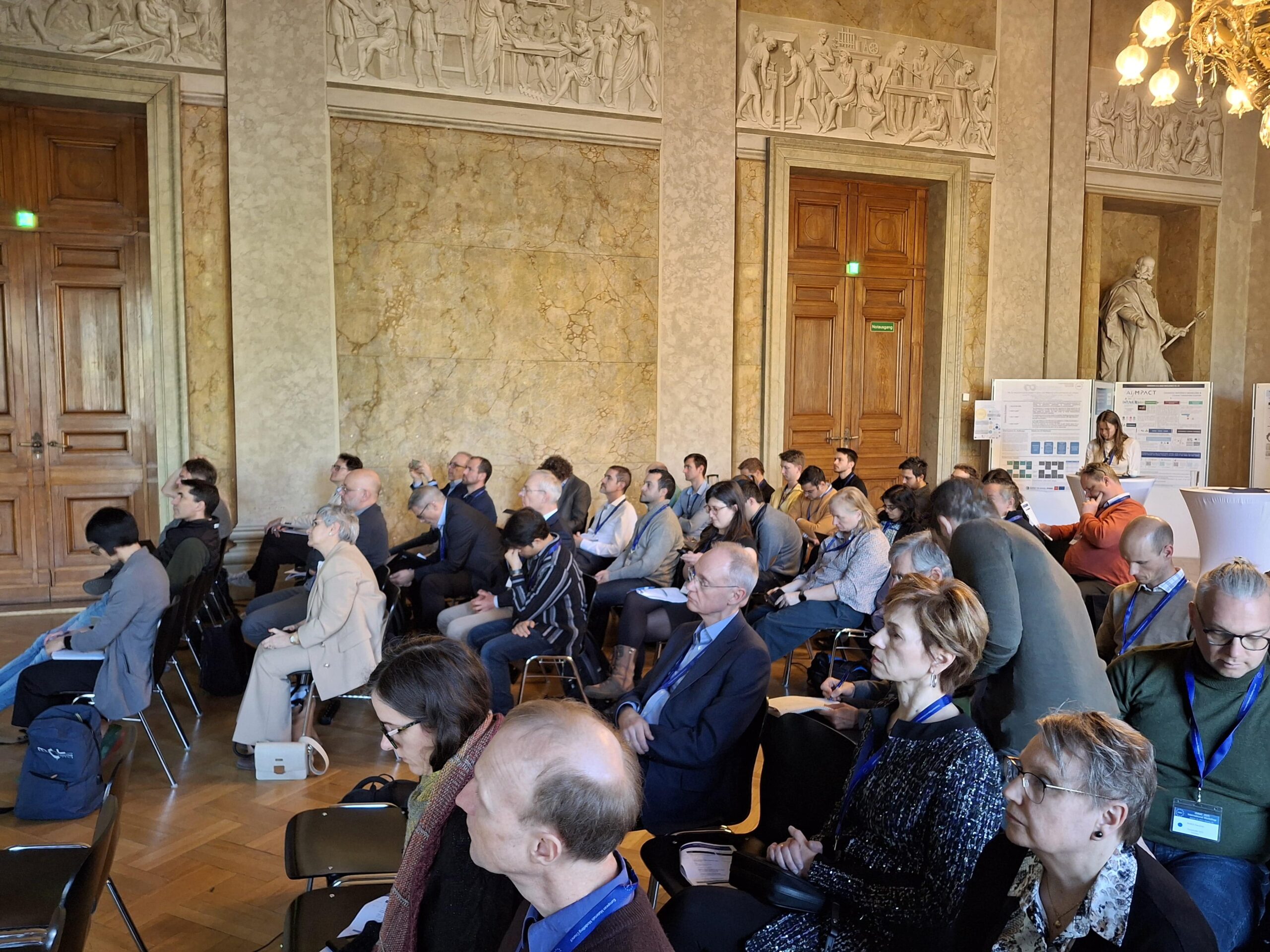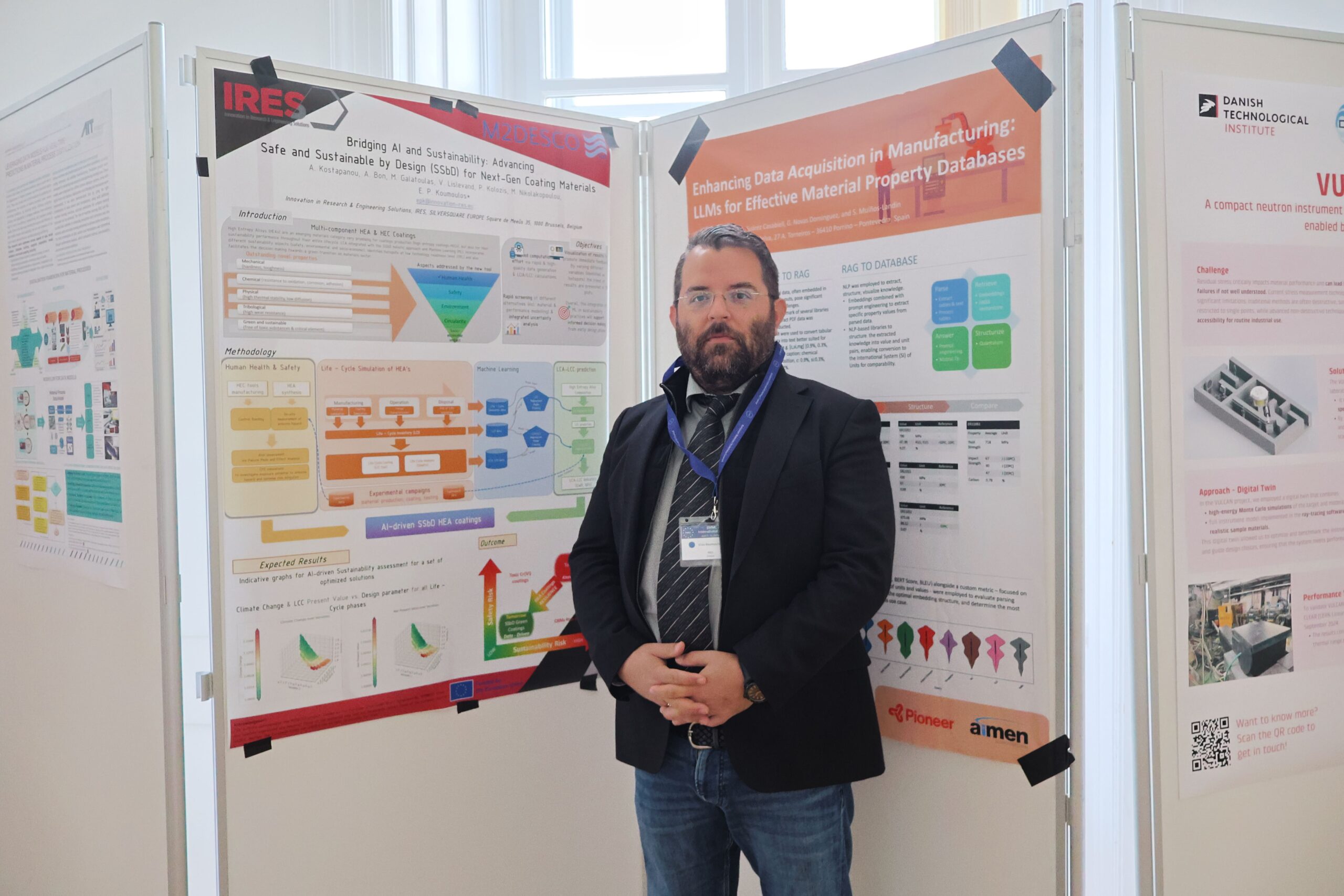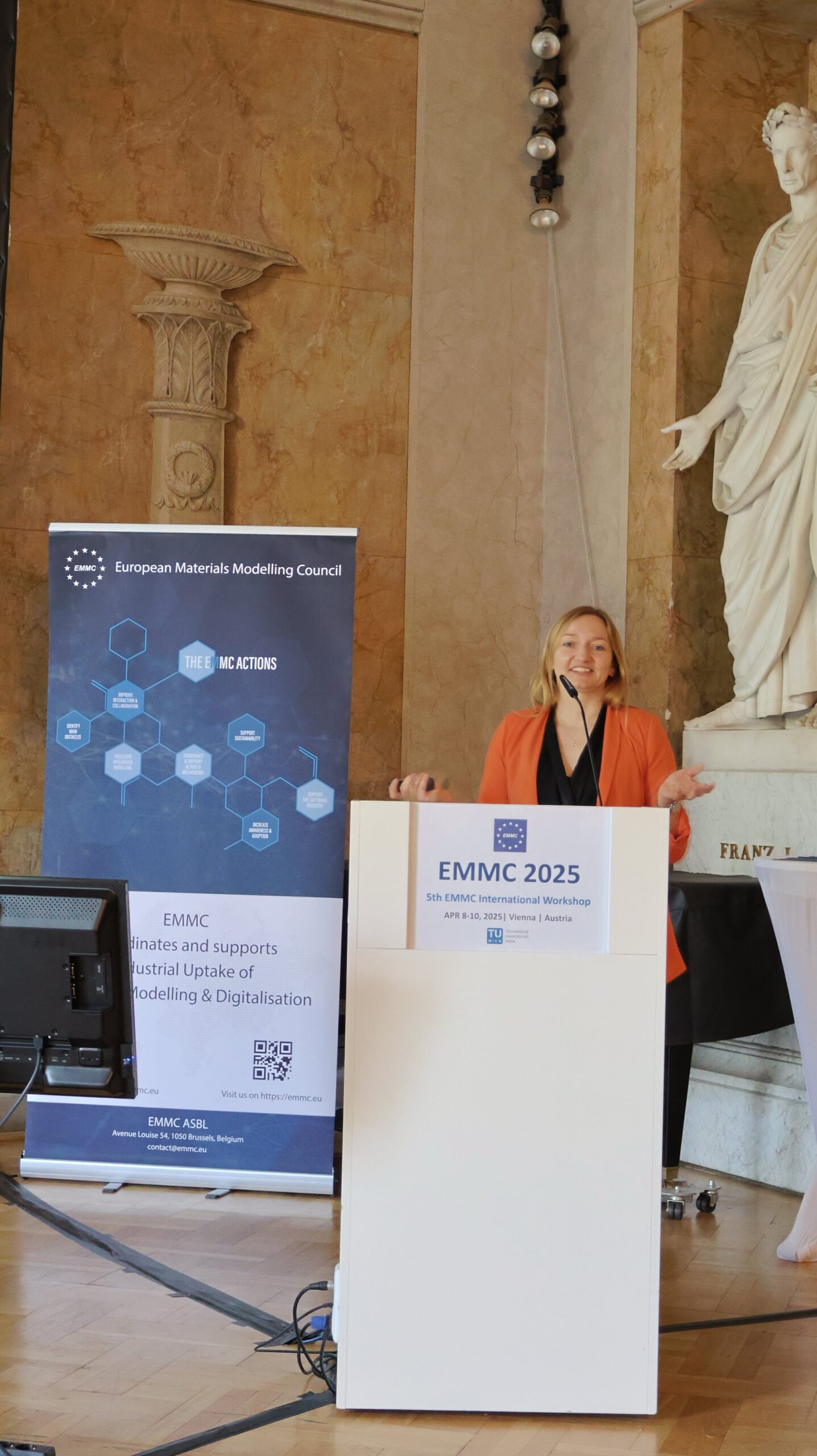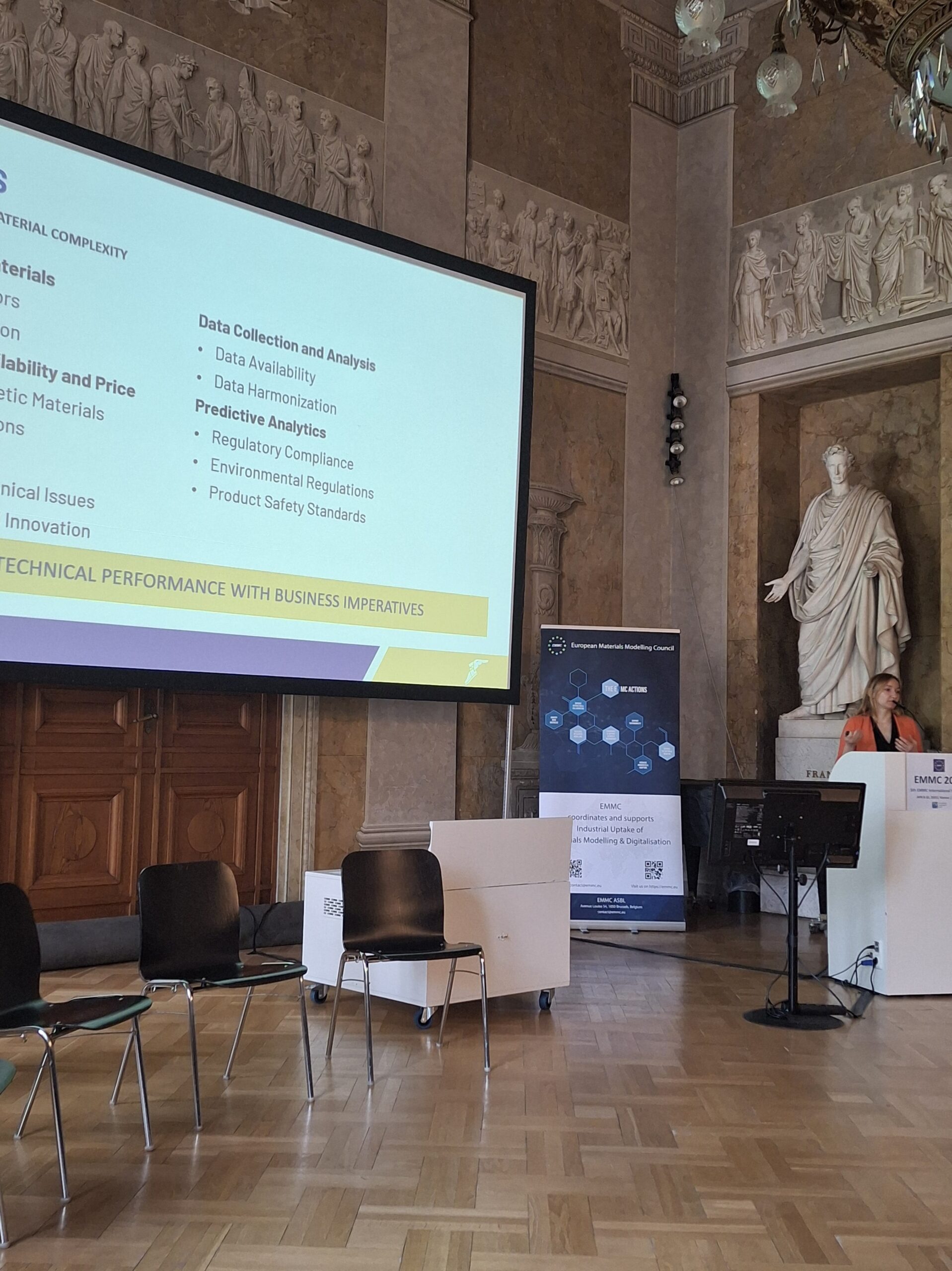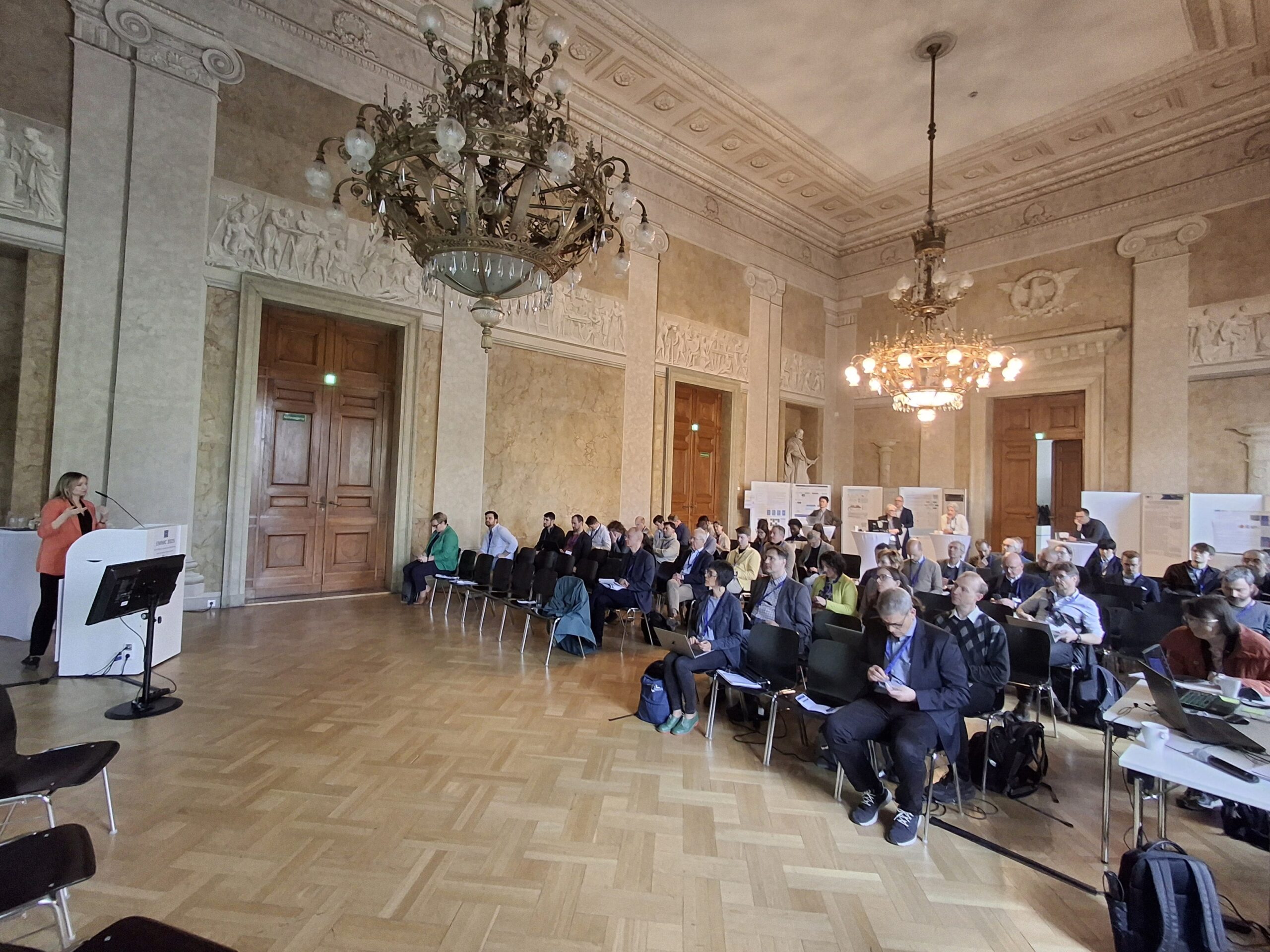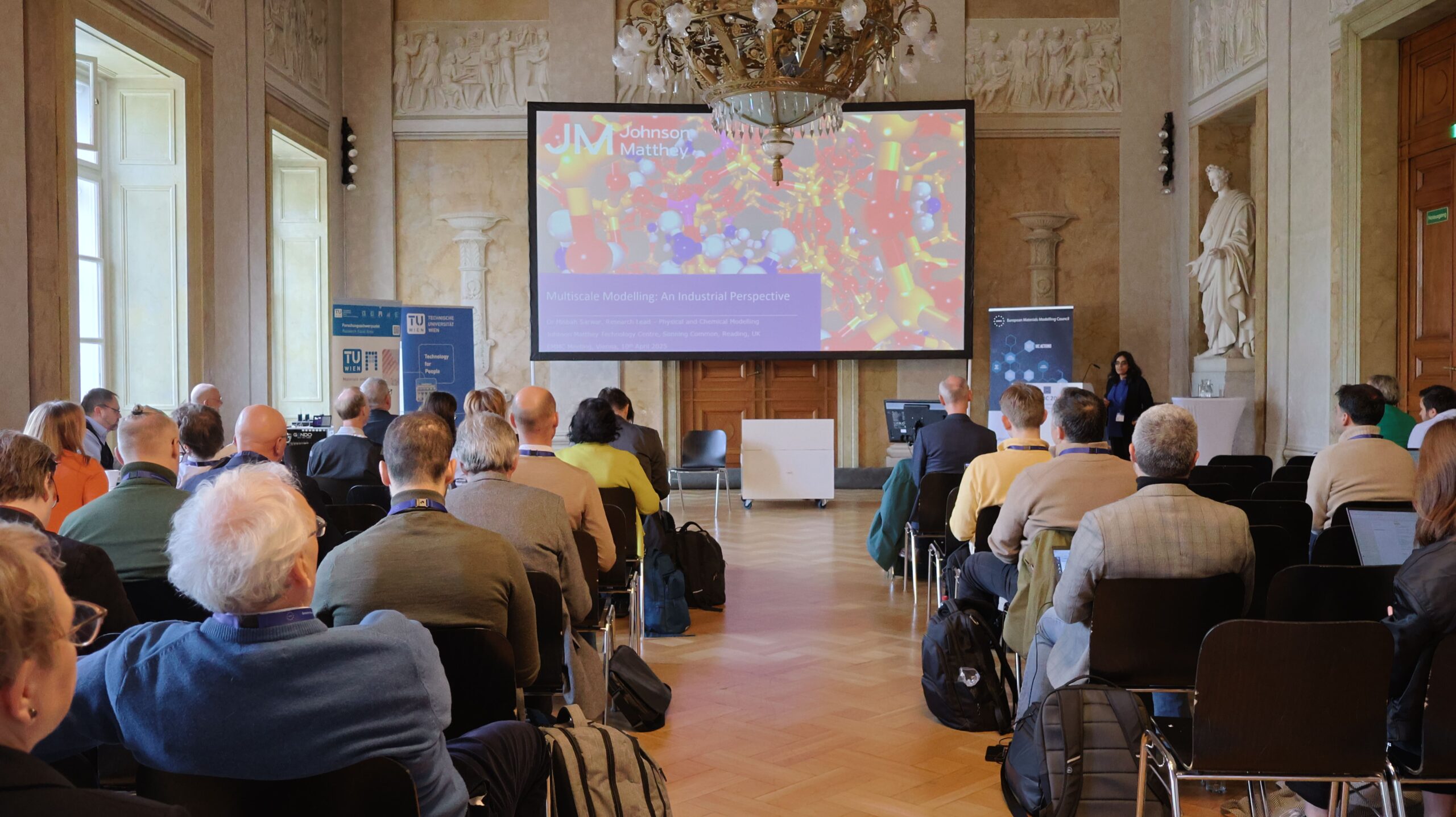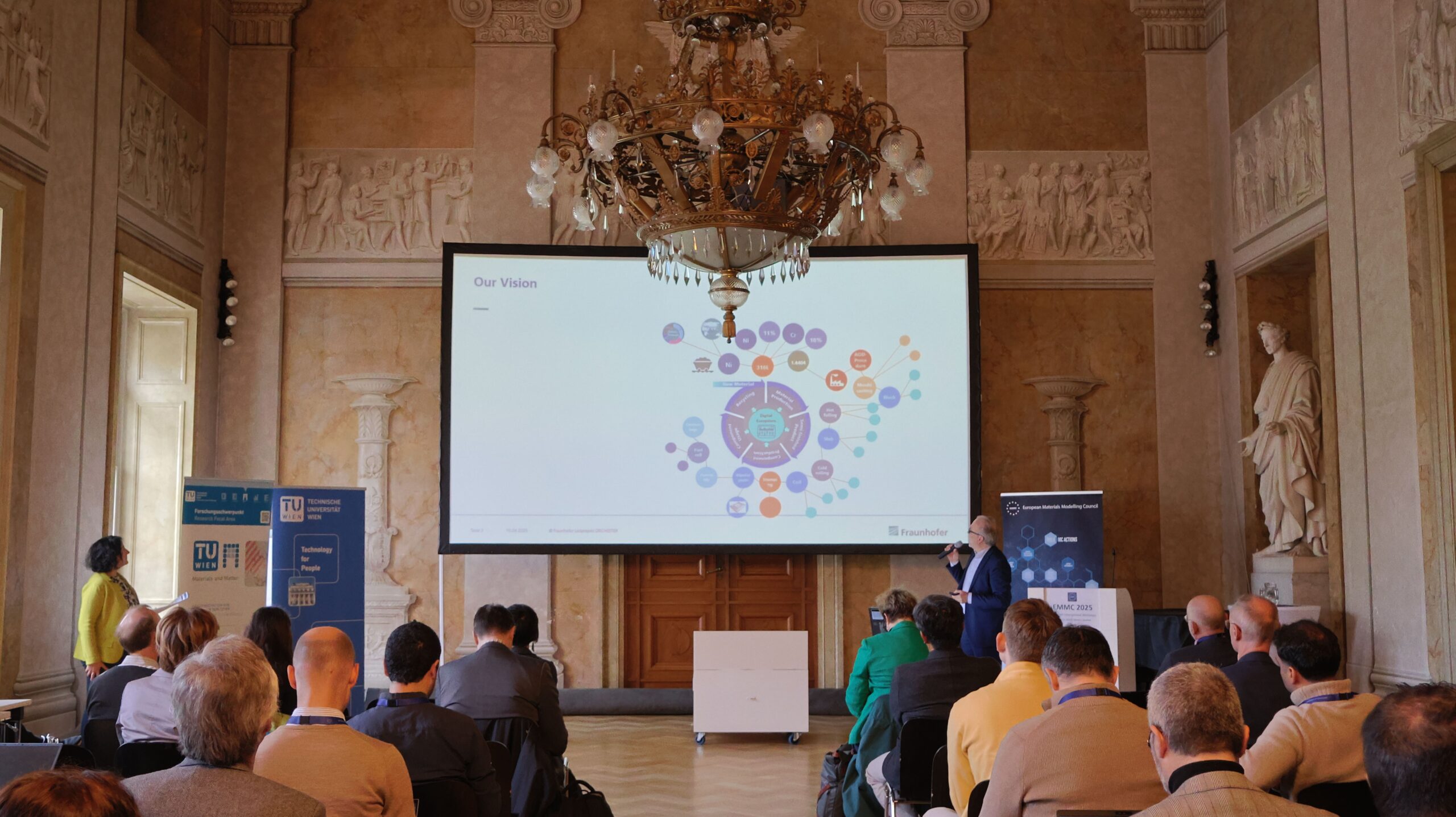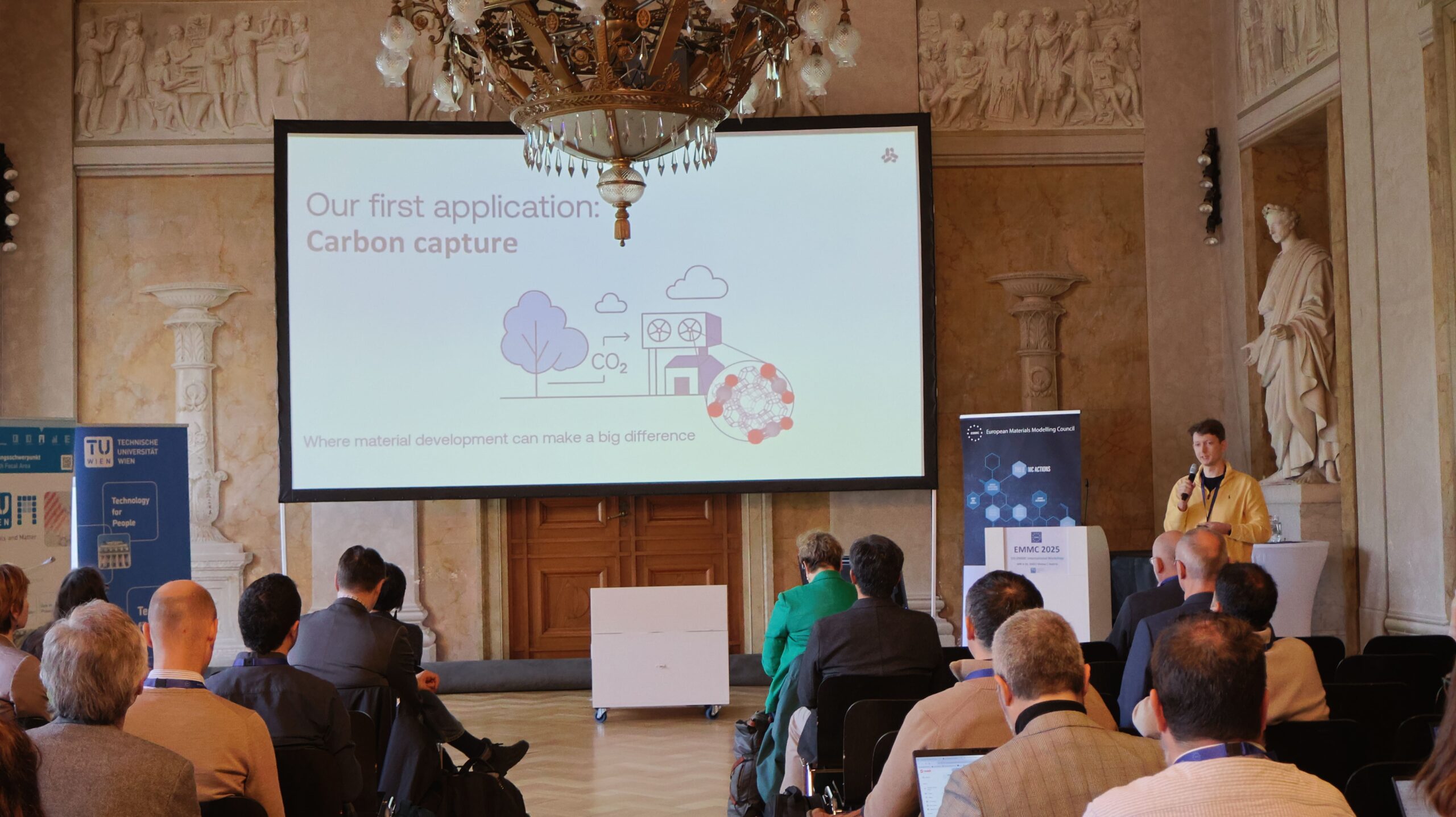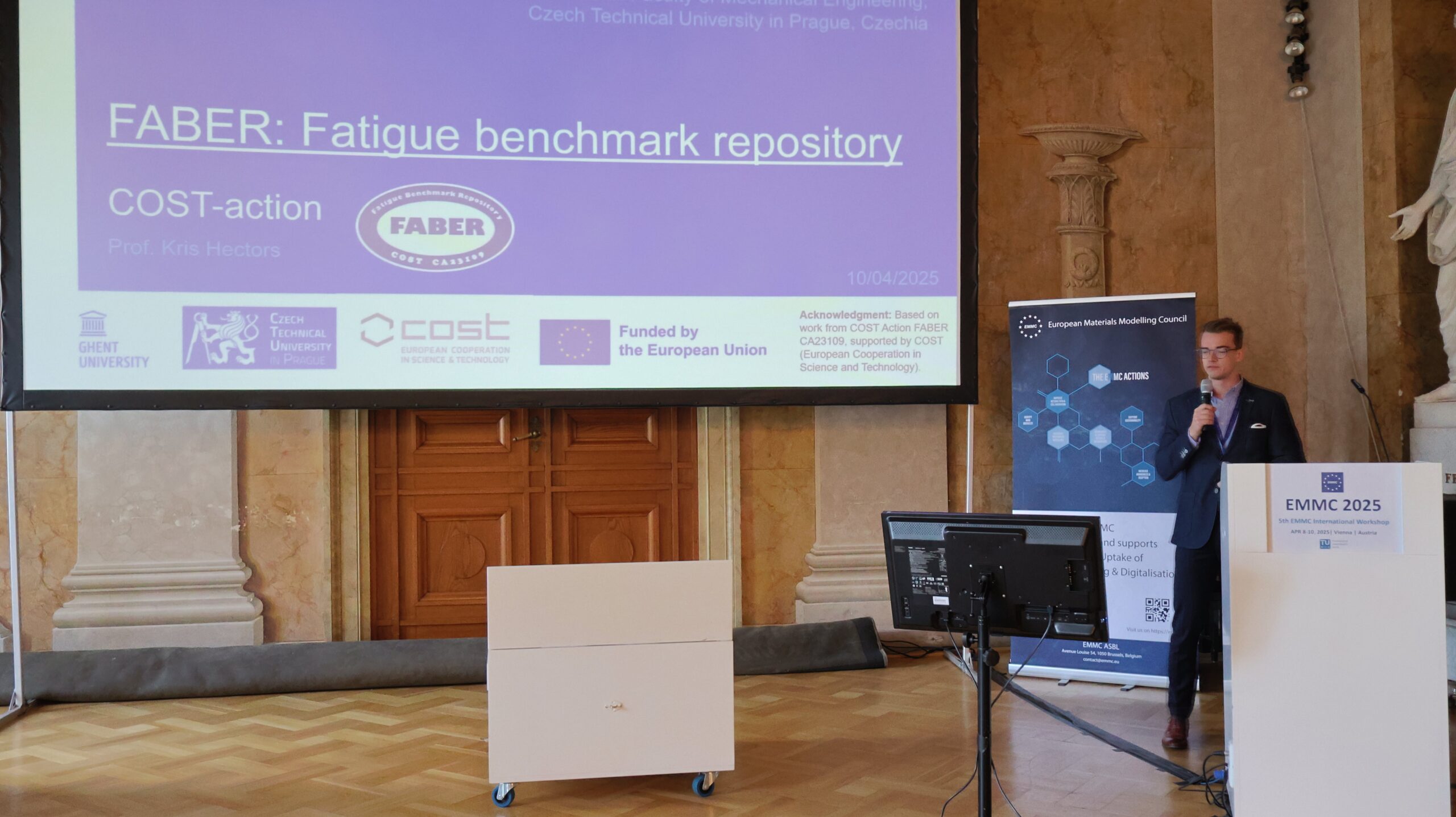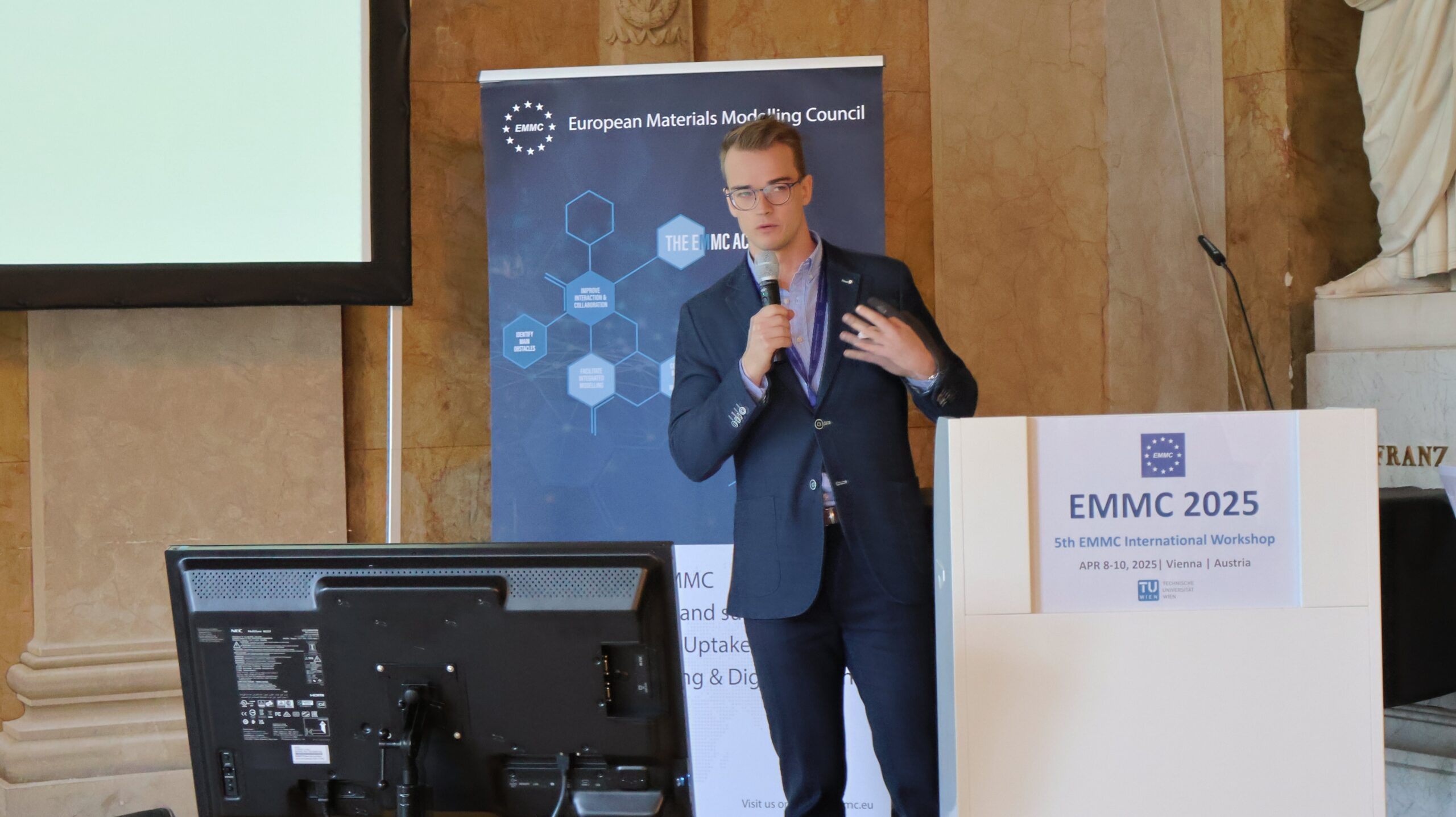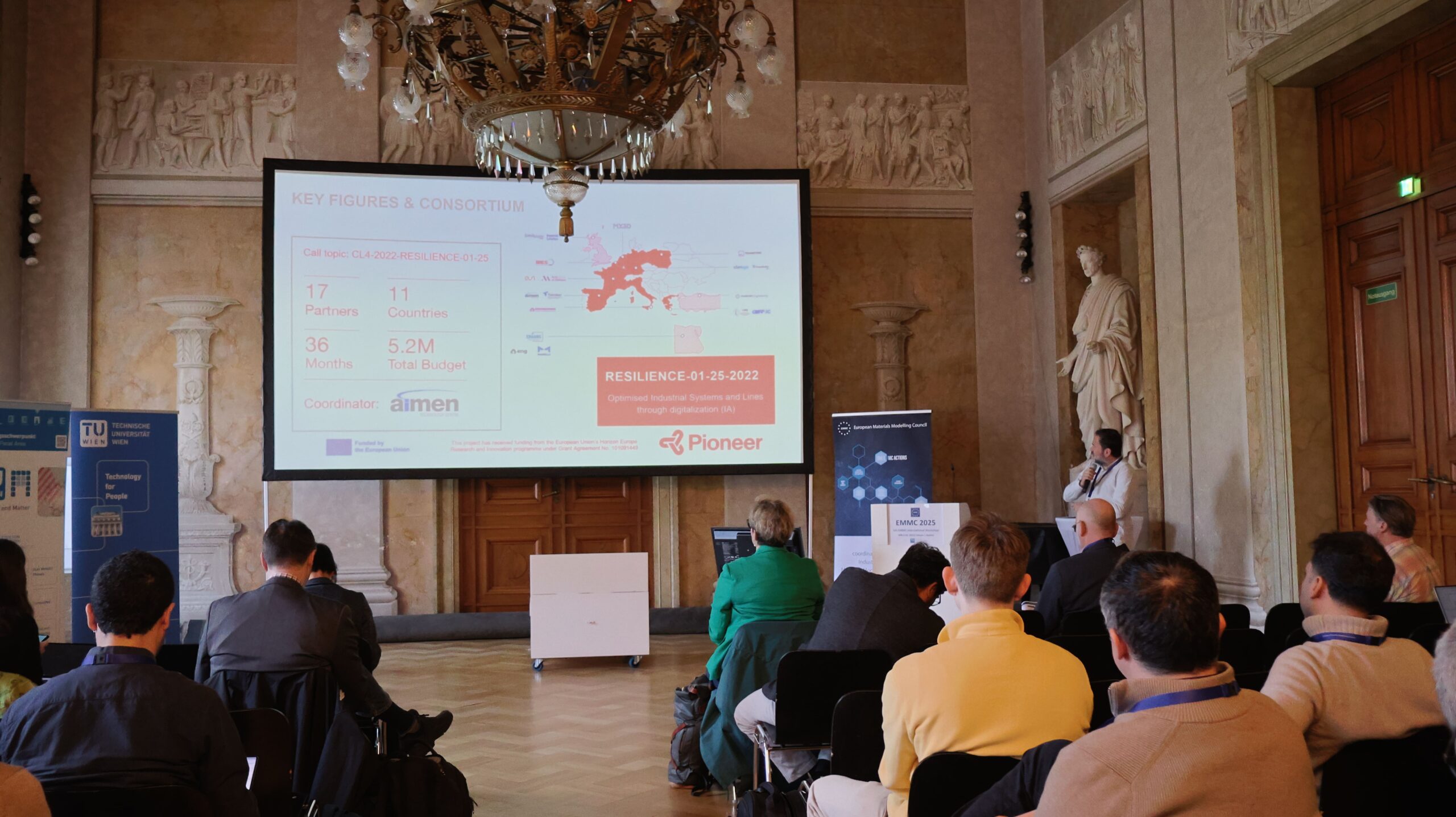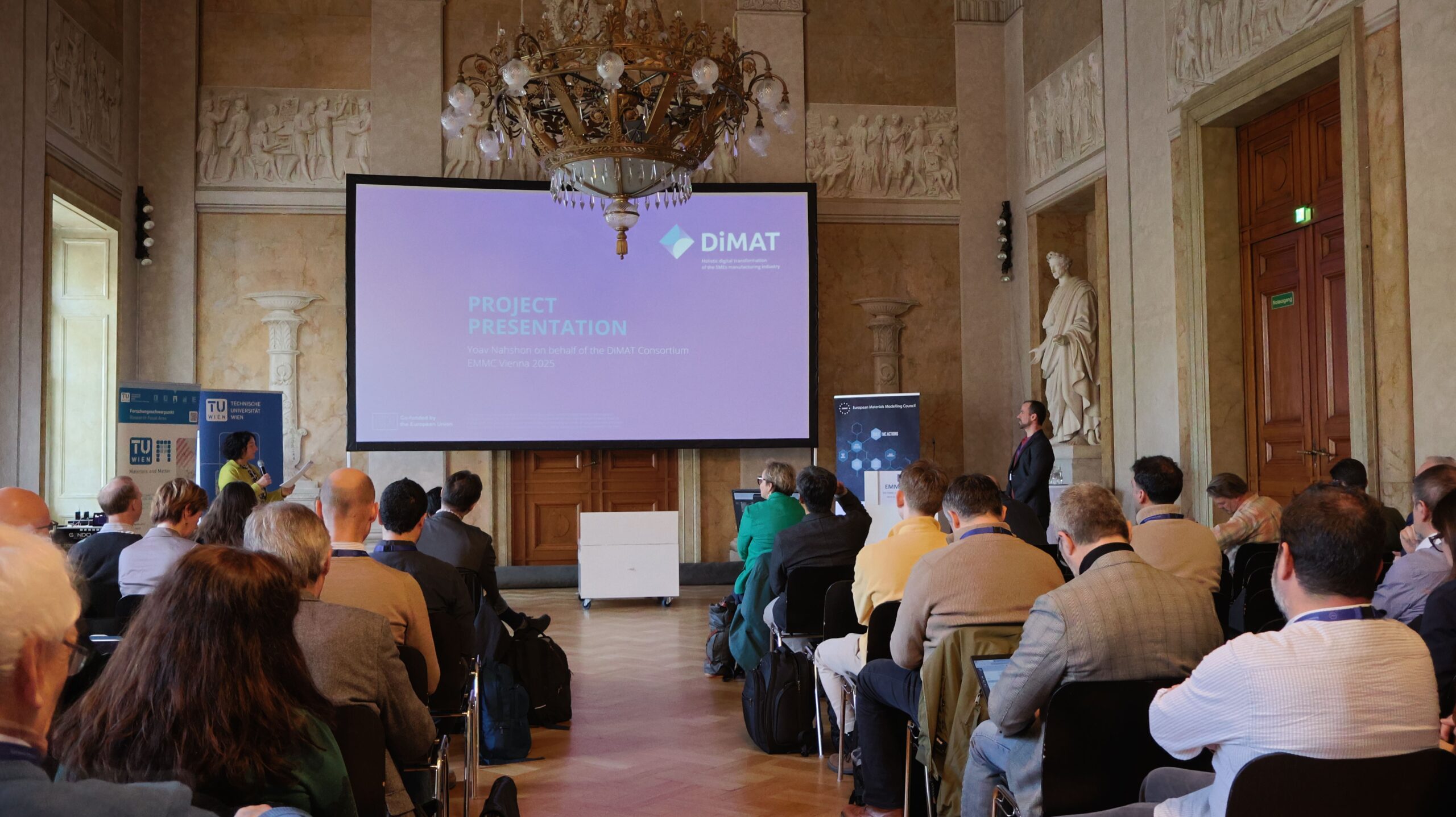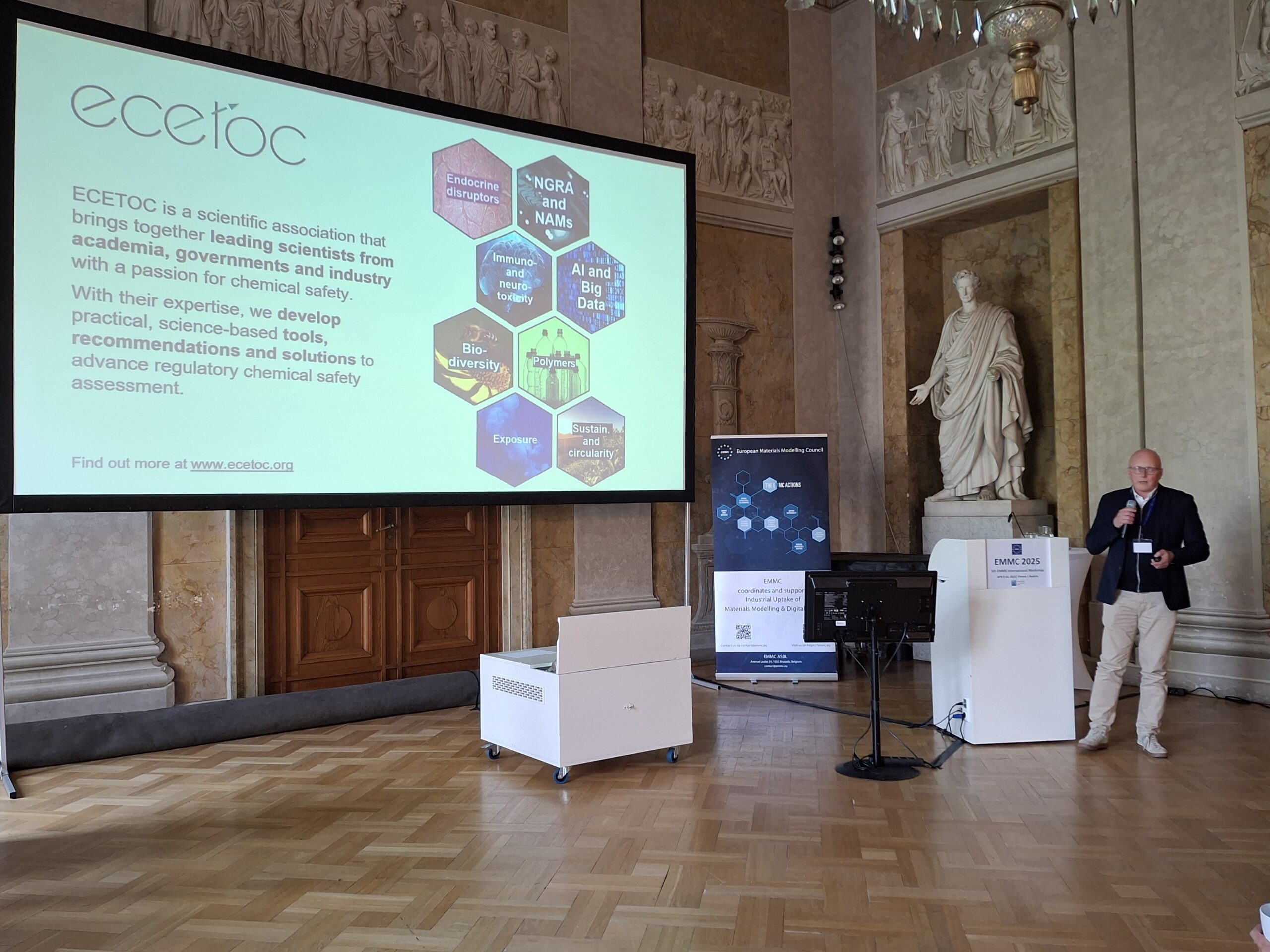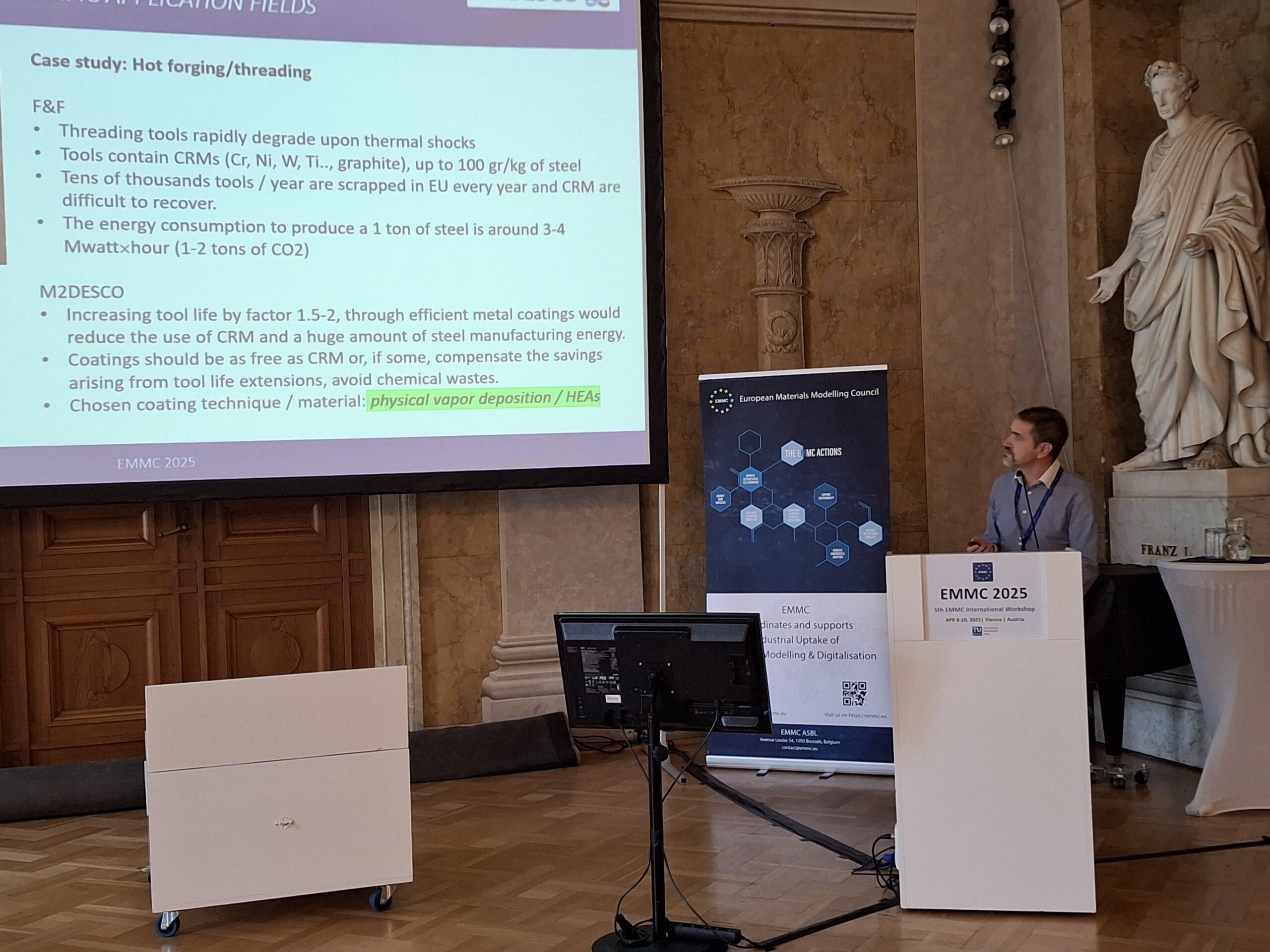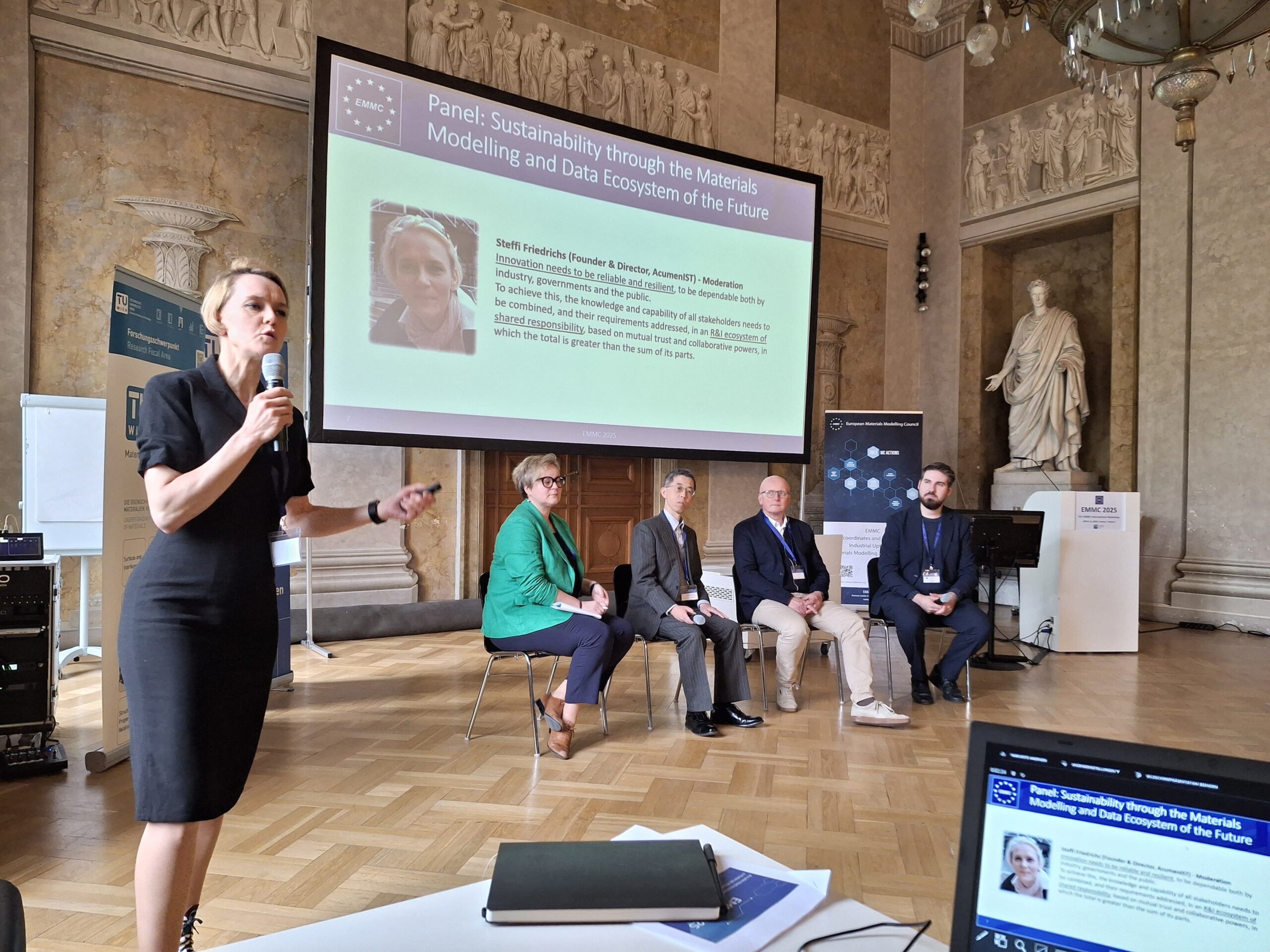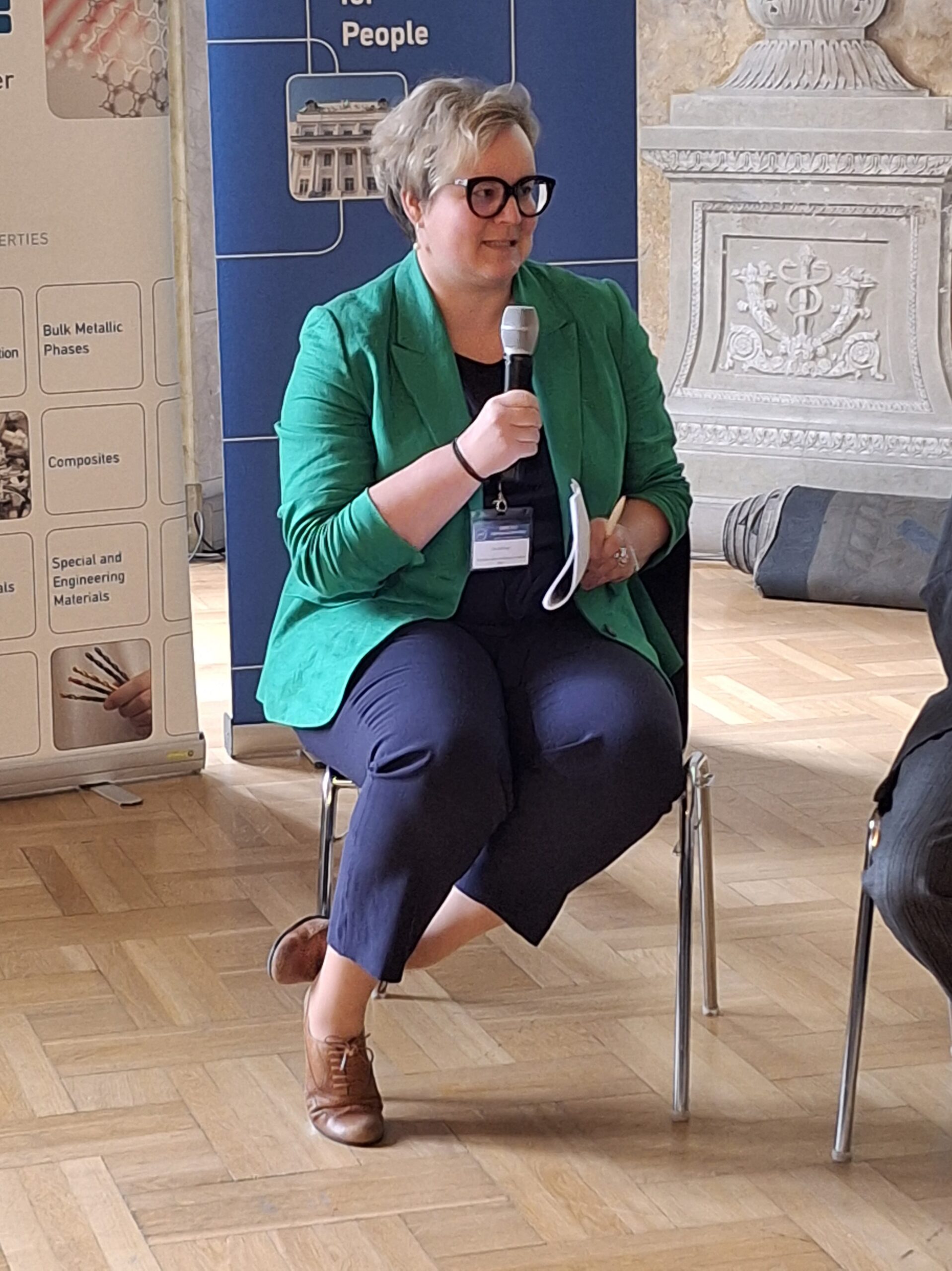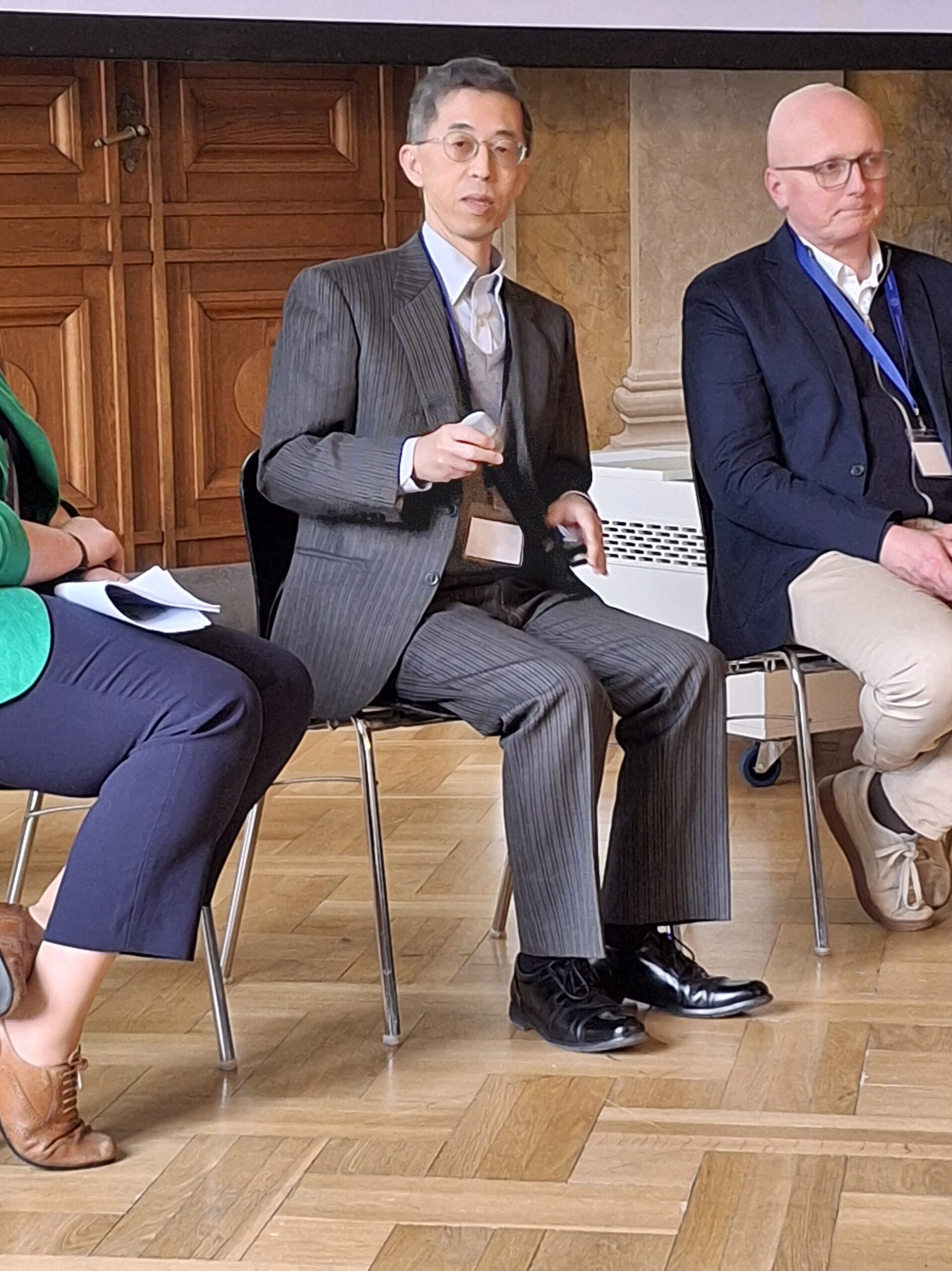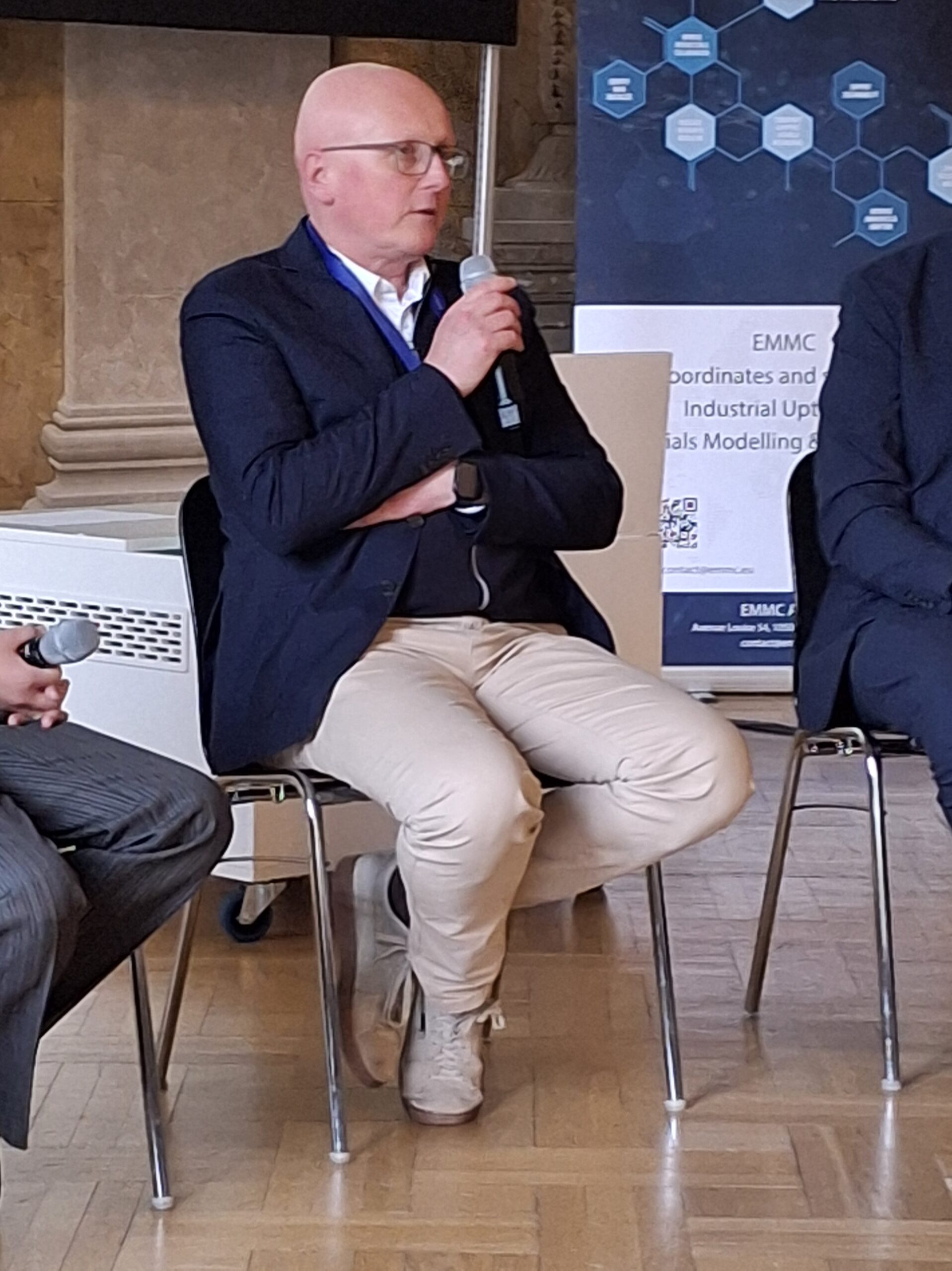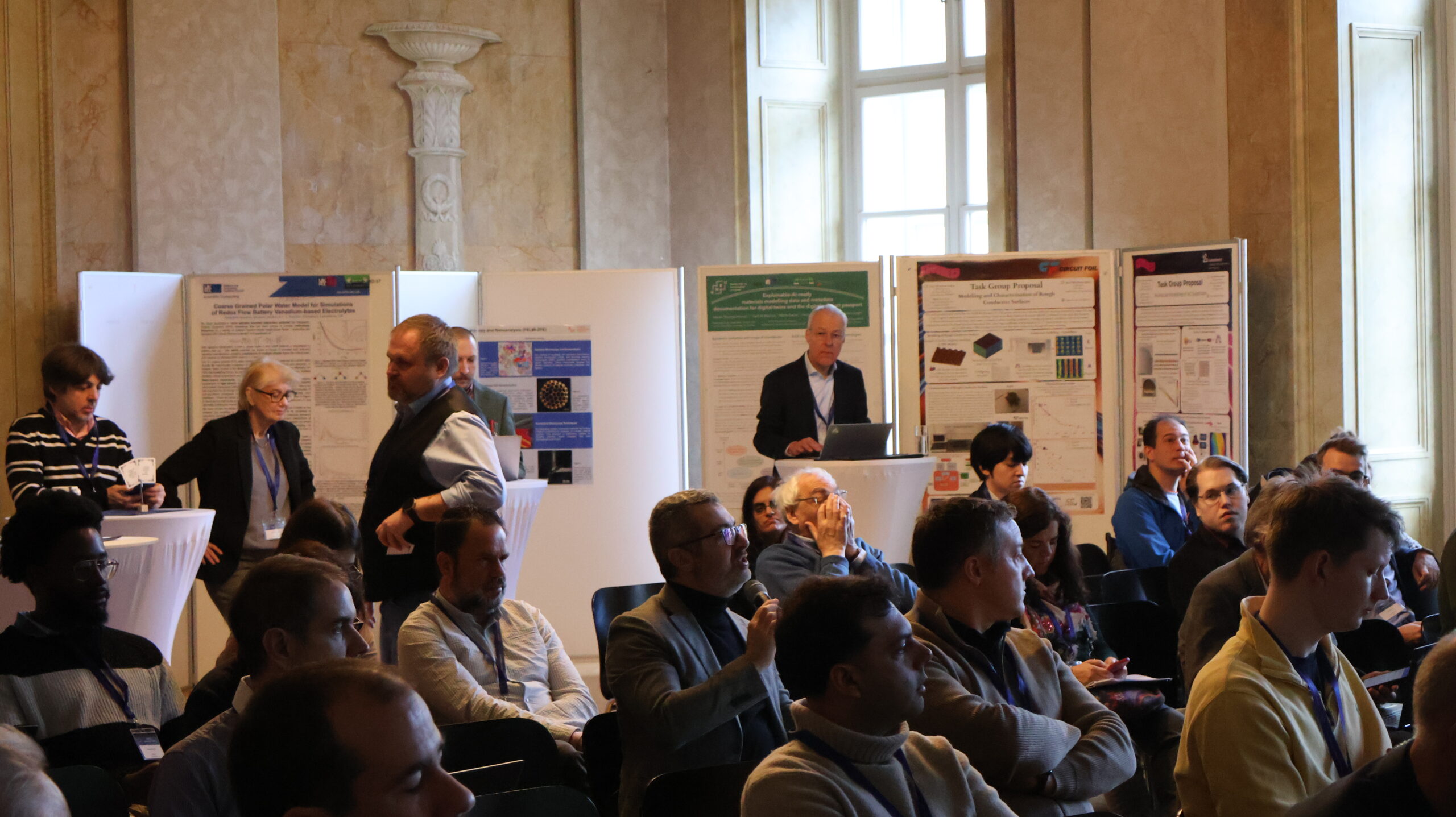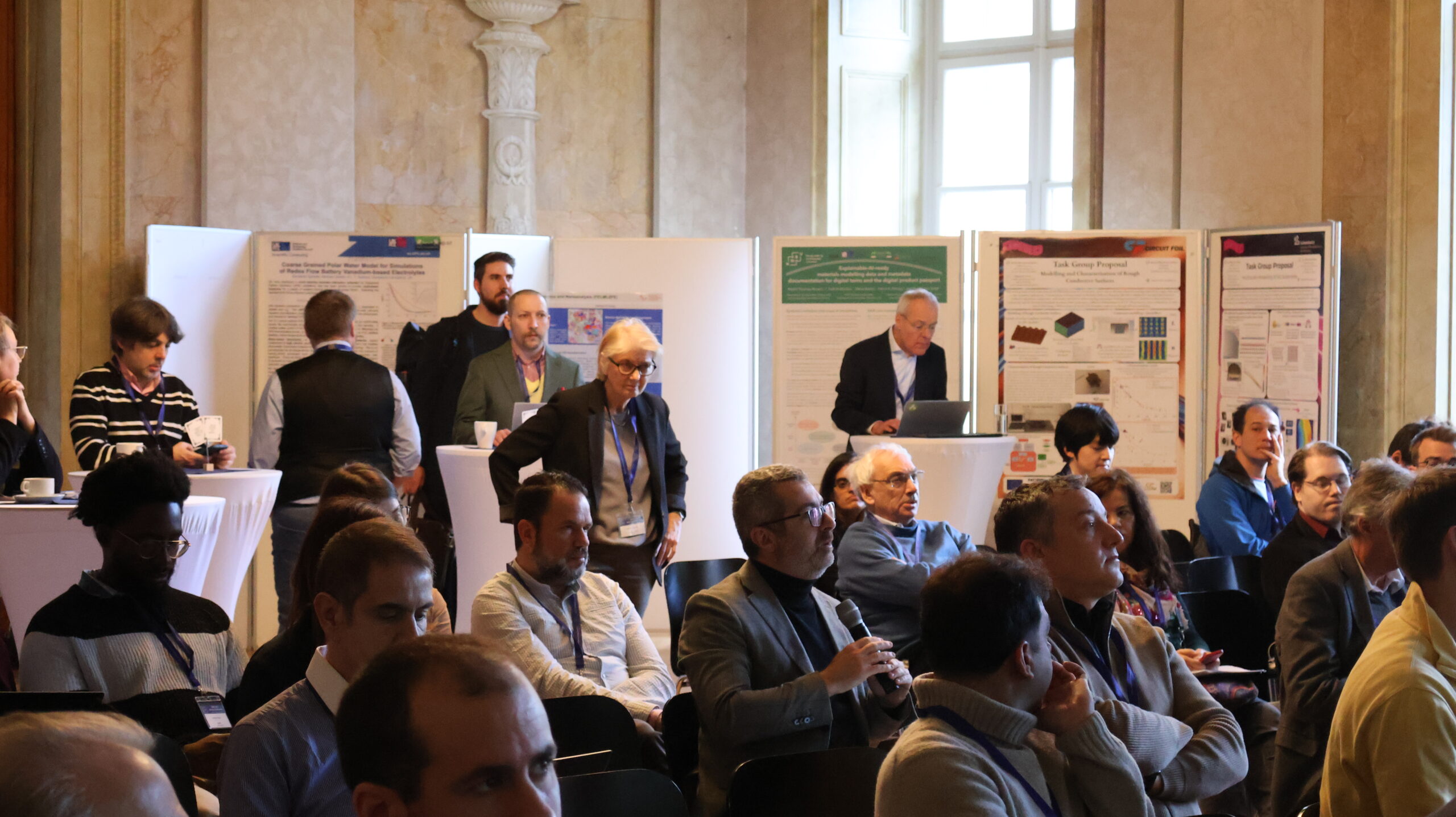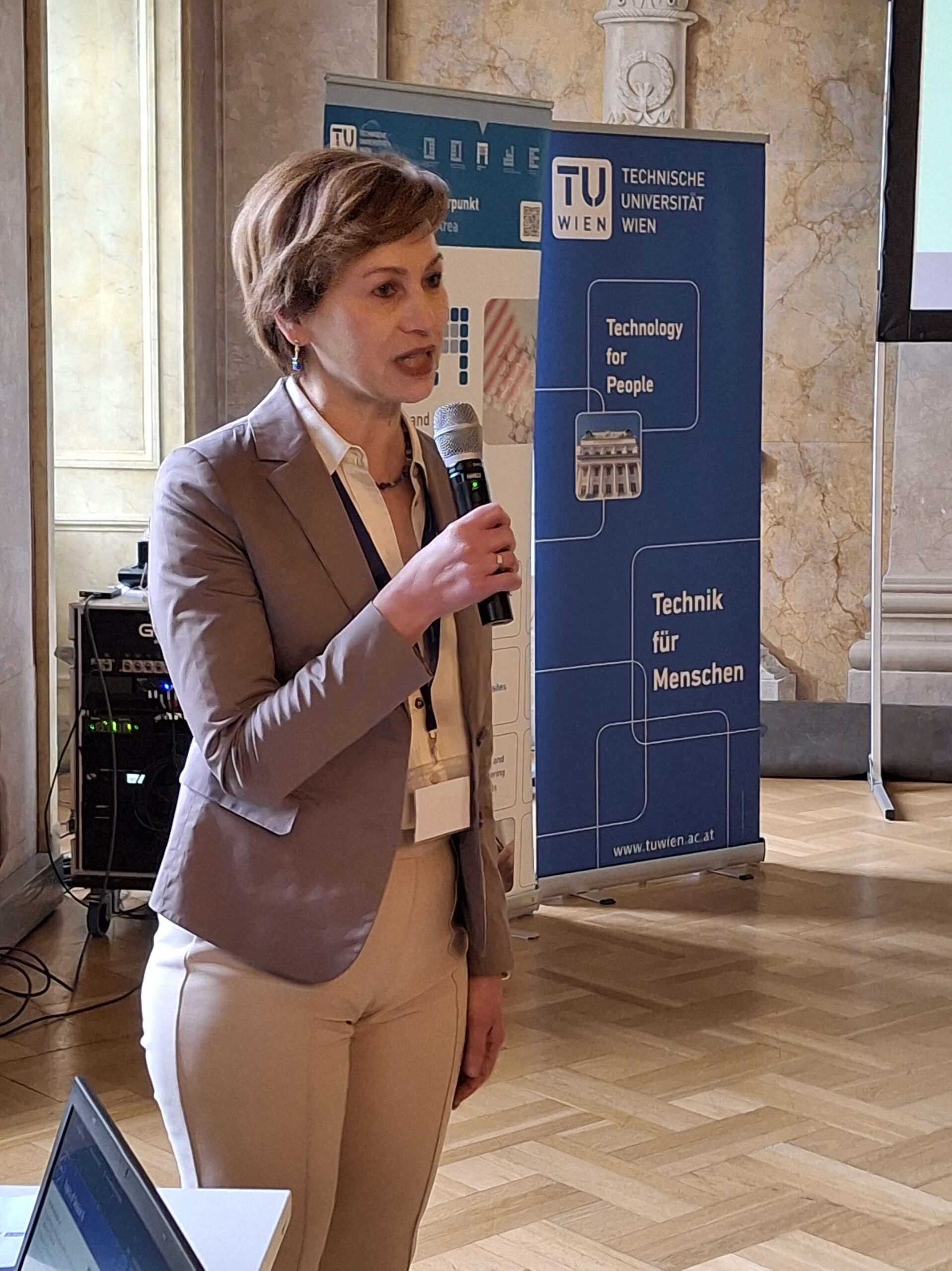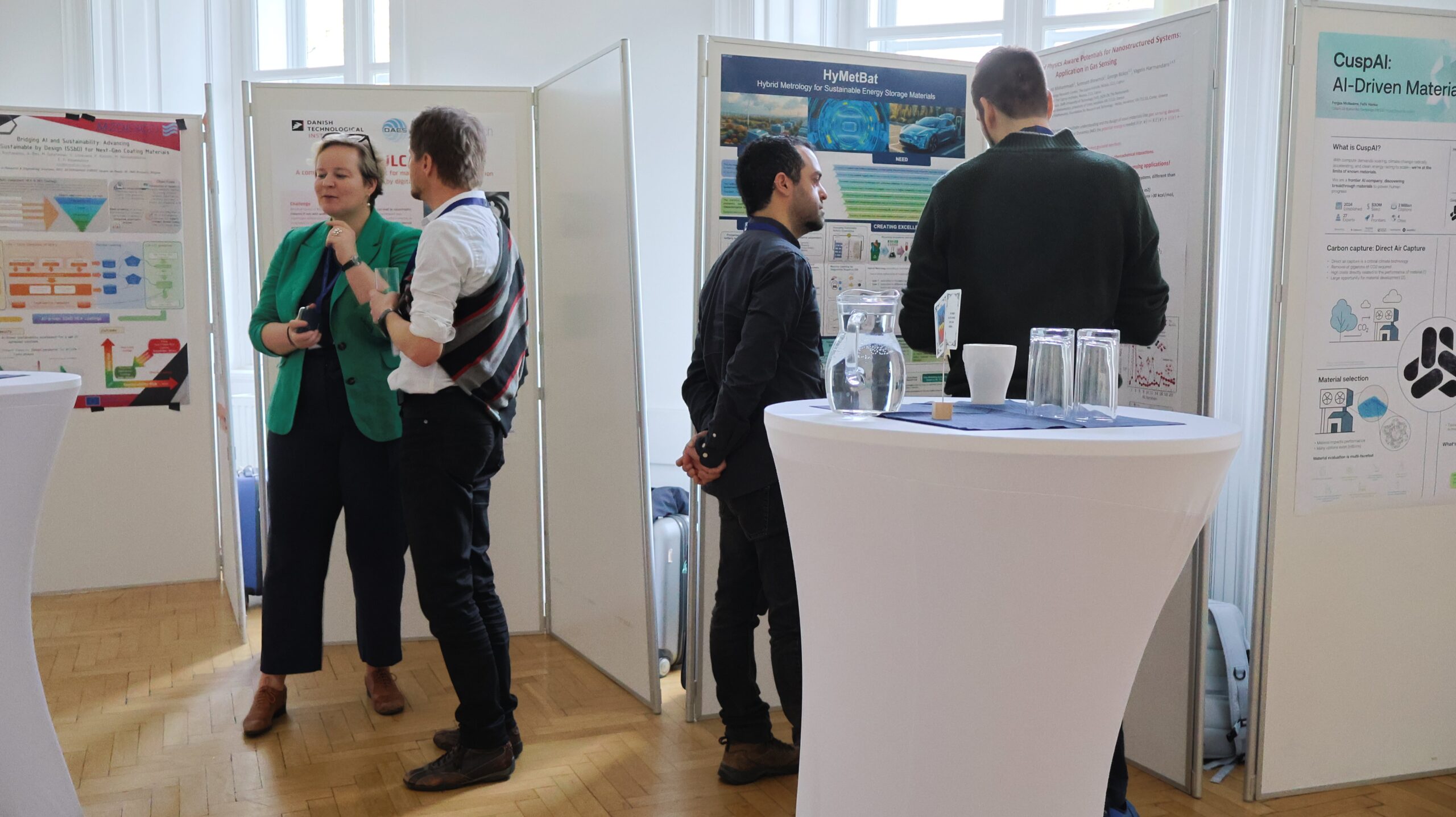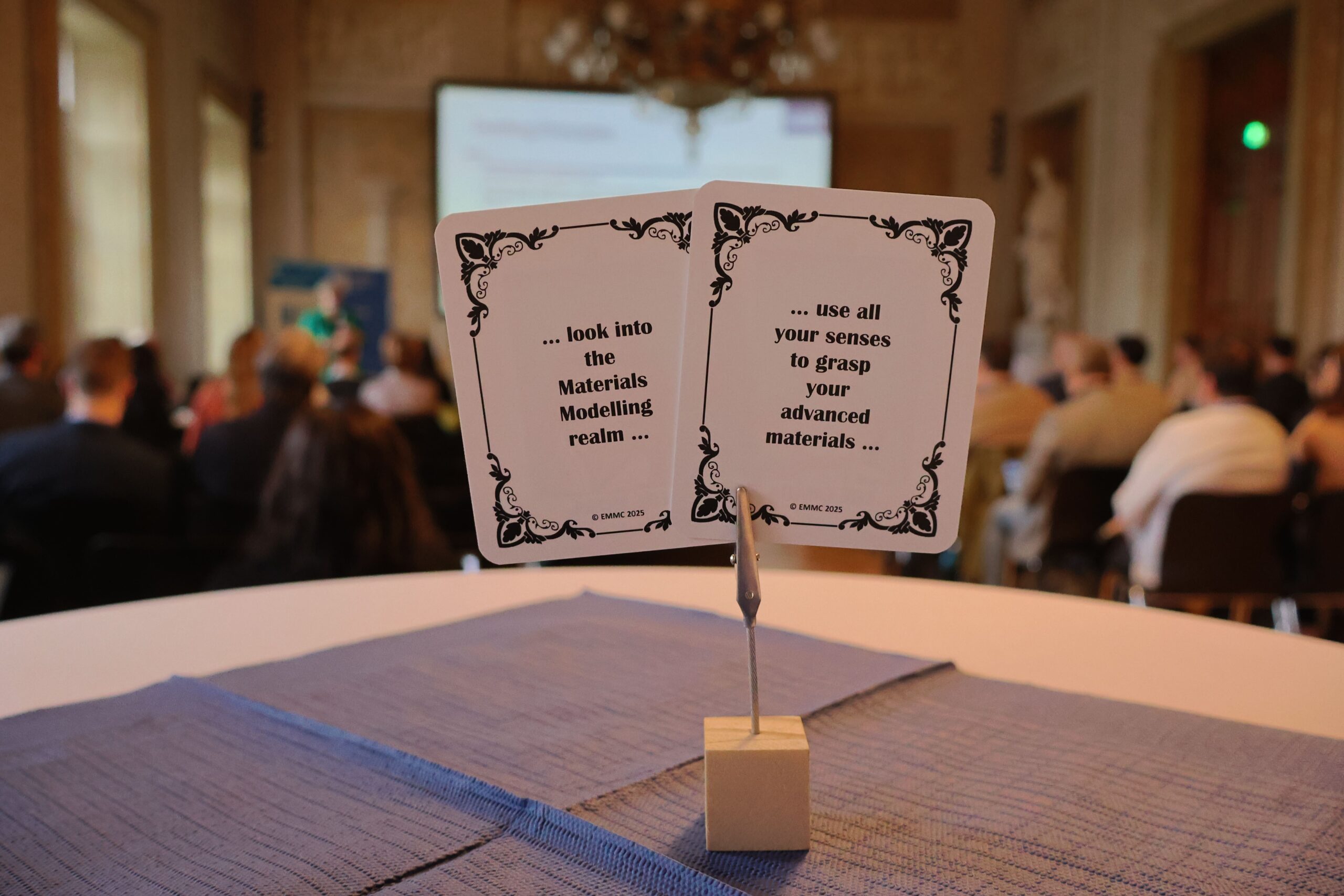

EMMC 2025 – 5th EMMC International Workshop
Accelerated Innovation and Sustainability by a Materials Modelling and Data Ecosystem
In times of fundamental change and uncertainty, there is an increased sense of urgency in dealing with pressing issues related to climate change and sustainable use of resources, demanding accelerated scientific and technological advances that translate into industrial uptake and ensure industrial leadership[1].
Materials are at the core of every product and every process; advanced materials have delivered unforetold performance and product advances benefitting all sectors of life. On the other hand, materials are a finite and valuable resource, and their processing from mining or synthesis to re-cycling may be energy intensive.
Accelerating innovation in advanced materials and ensuring sustainability requires a step-change not only in materials research techniques such as advanced modelling and characterisation methods, but also in bringing together expertise and information (data with meaning) that meets the highly complex decisions that underly the innovation process and materials life cycle. Required are much improved, FAIR data integration, trust and transparency, fast, reliable and traceable decision systems, as well as sophisticated models.
The EMMC 2025 International Workshop will discuss advances and future directions in how both accelerated innovation and sustainability are supported by a Knowledge Ecosystem based on materials modelling and data integration.
The workshop will discuss these points from different perspectives including
- Advancements in modelling and integration with characterisation
- Digitalisation and Interoperability including Materials Commons [2]
- Software development, deployment and maintenance
- Adoption in industrial ecosystems
- Sustainability
- Policy
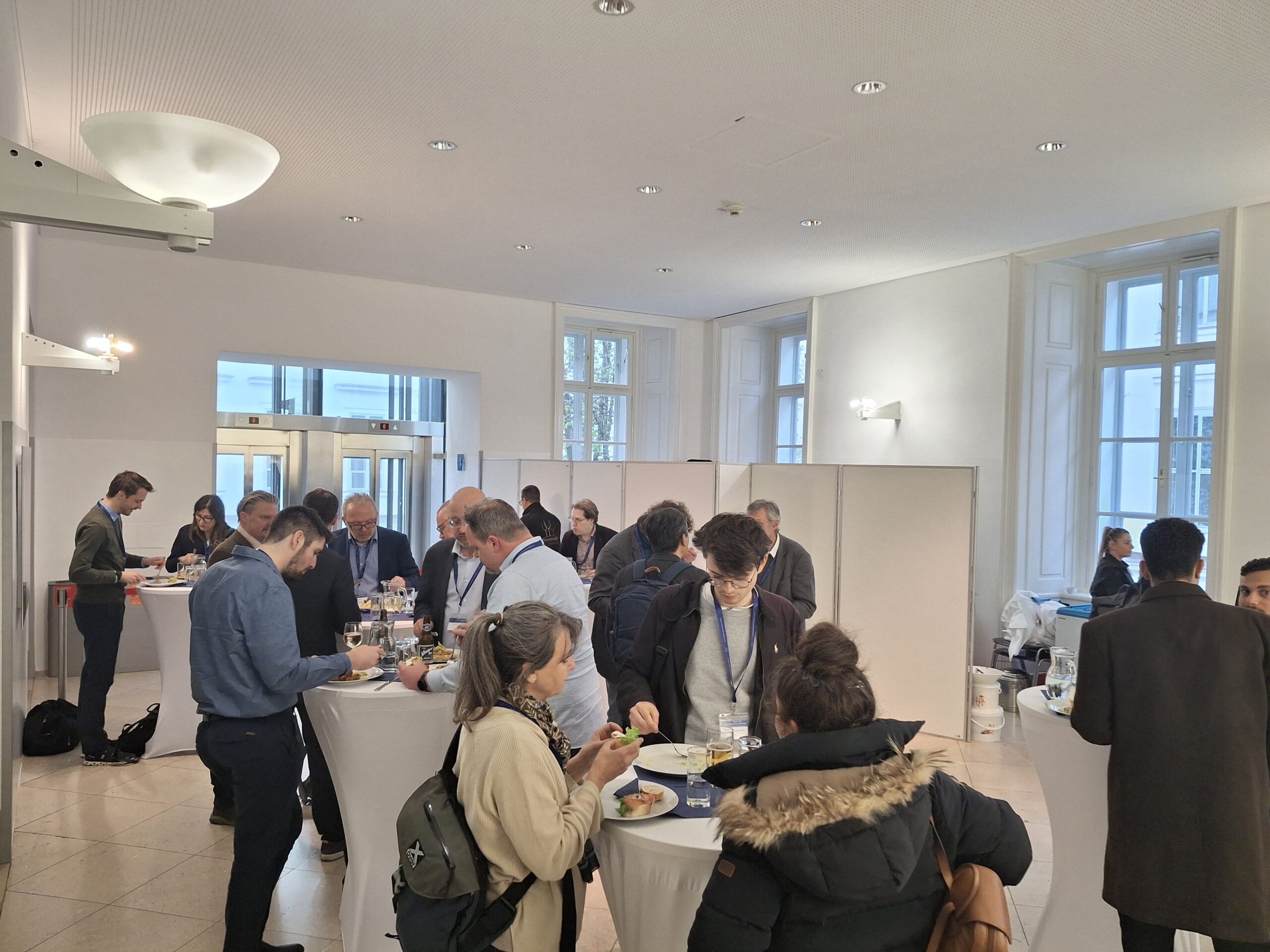
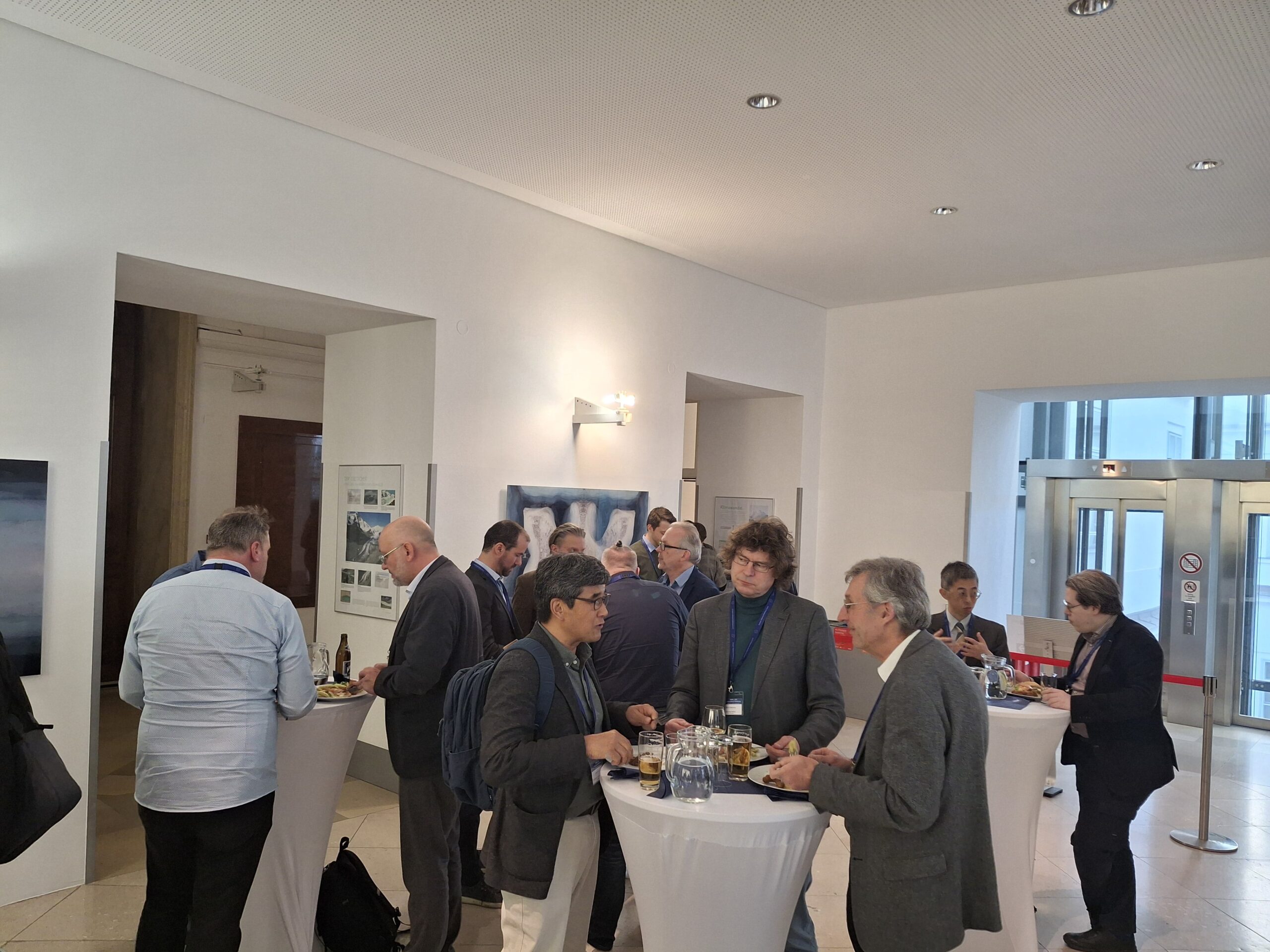
The EMMC International Workshop is a leading, cross-cutting event where stakeholders from different materials & digital fields in industry and academia get together to discuss topics of strategic importance and elaborate on gaps and potential actions to move the field forward. Previous EMMC International Workshops had more than a third of participants coming from industry, benefitting from the opportunity to get a high level overview of key trends.
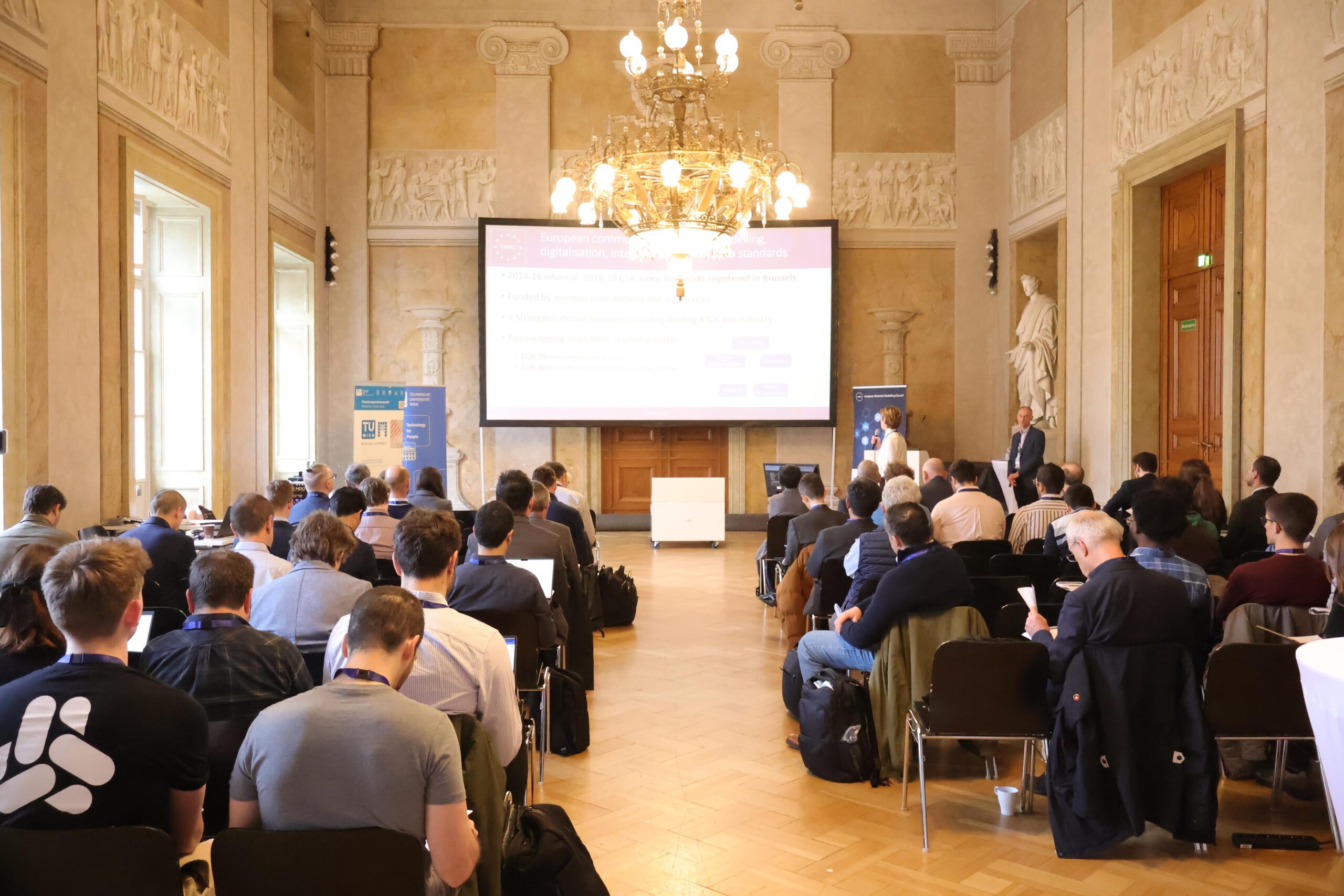
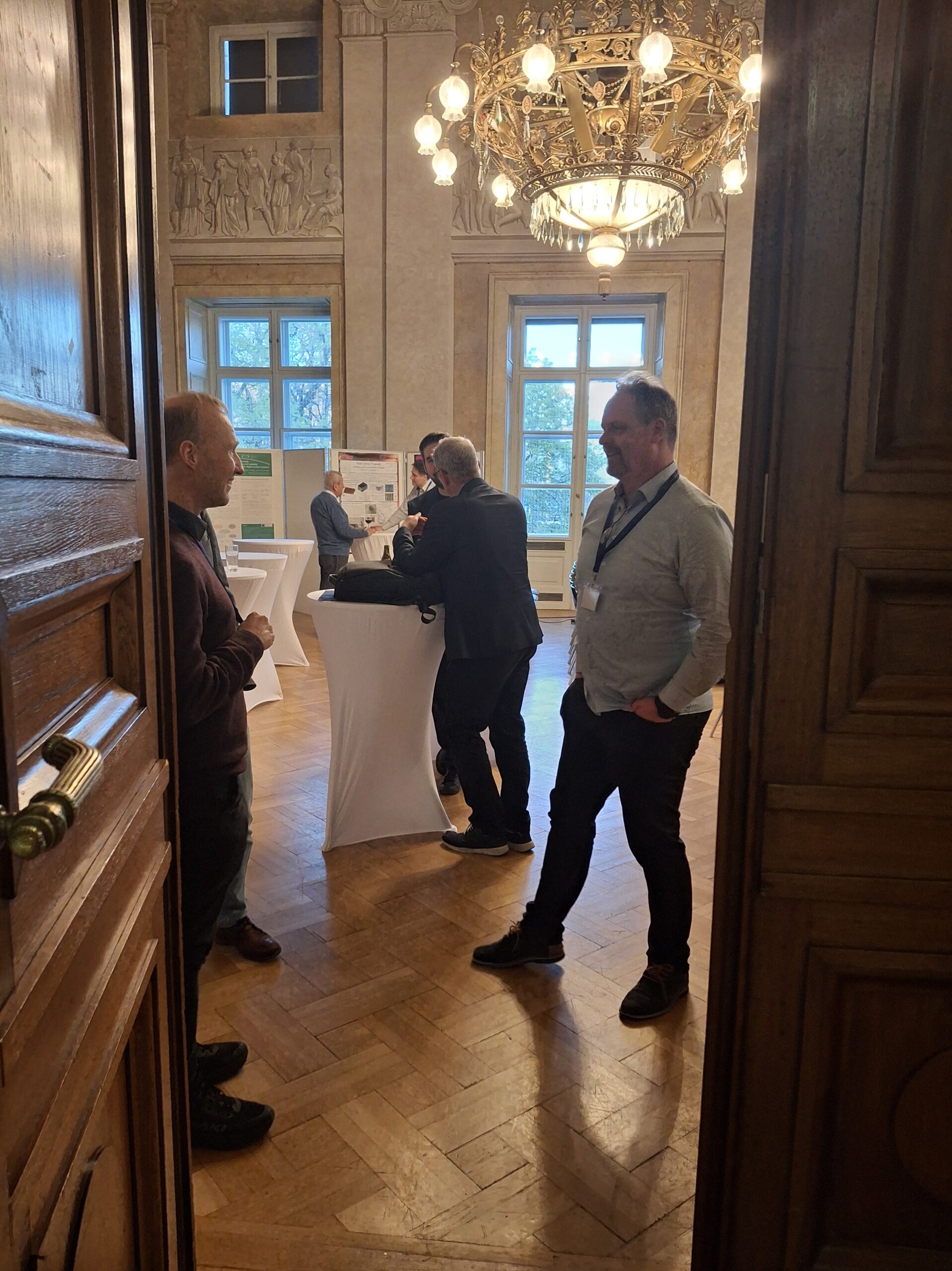
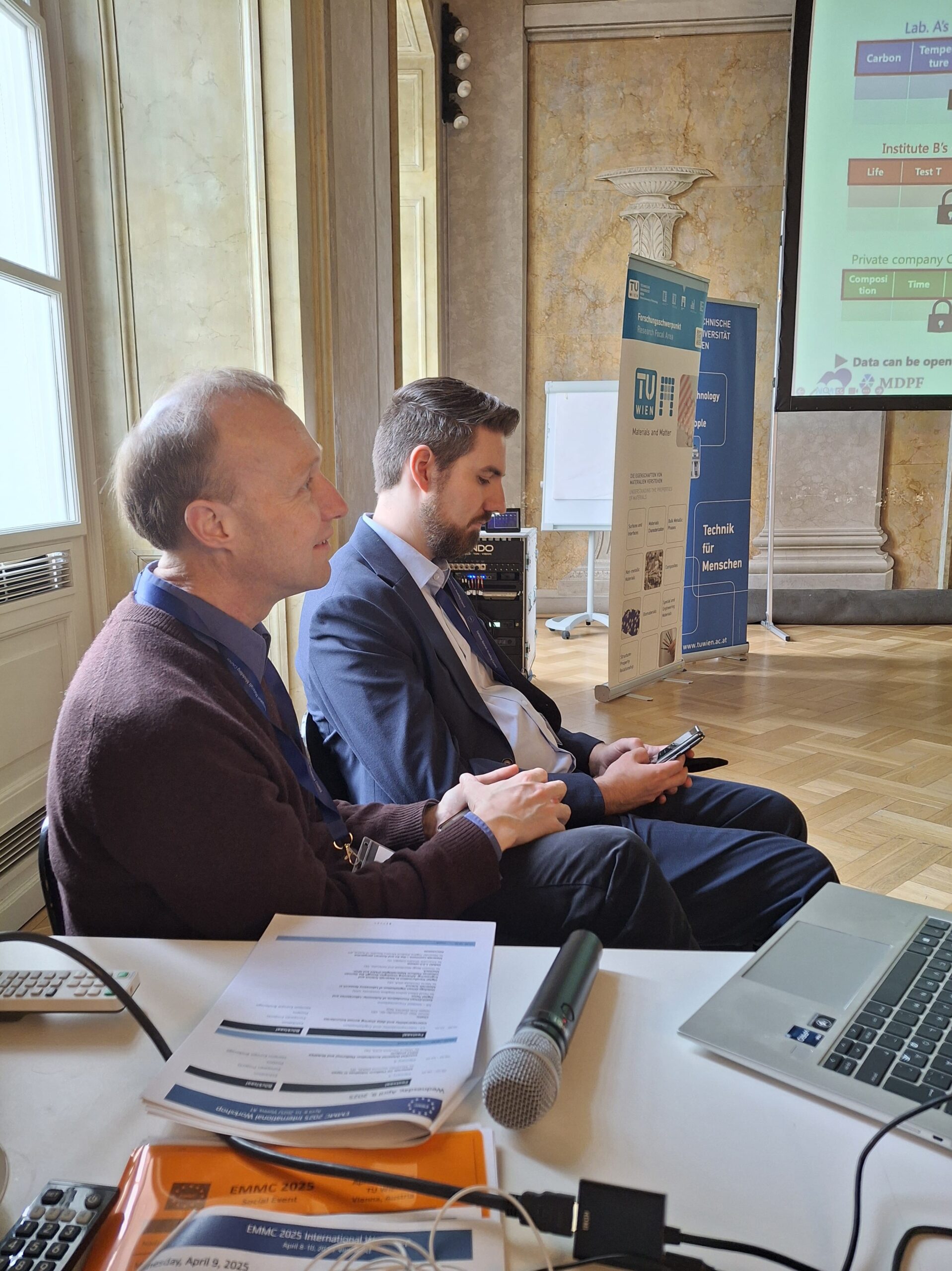
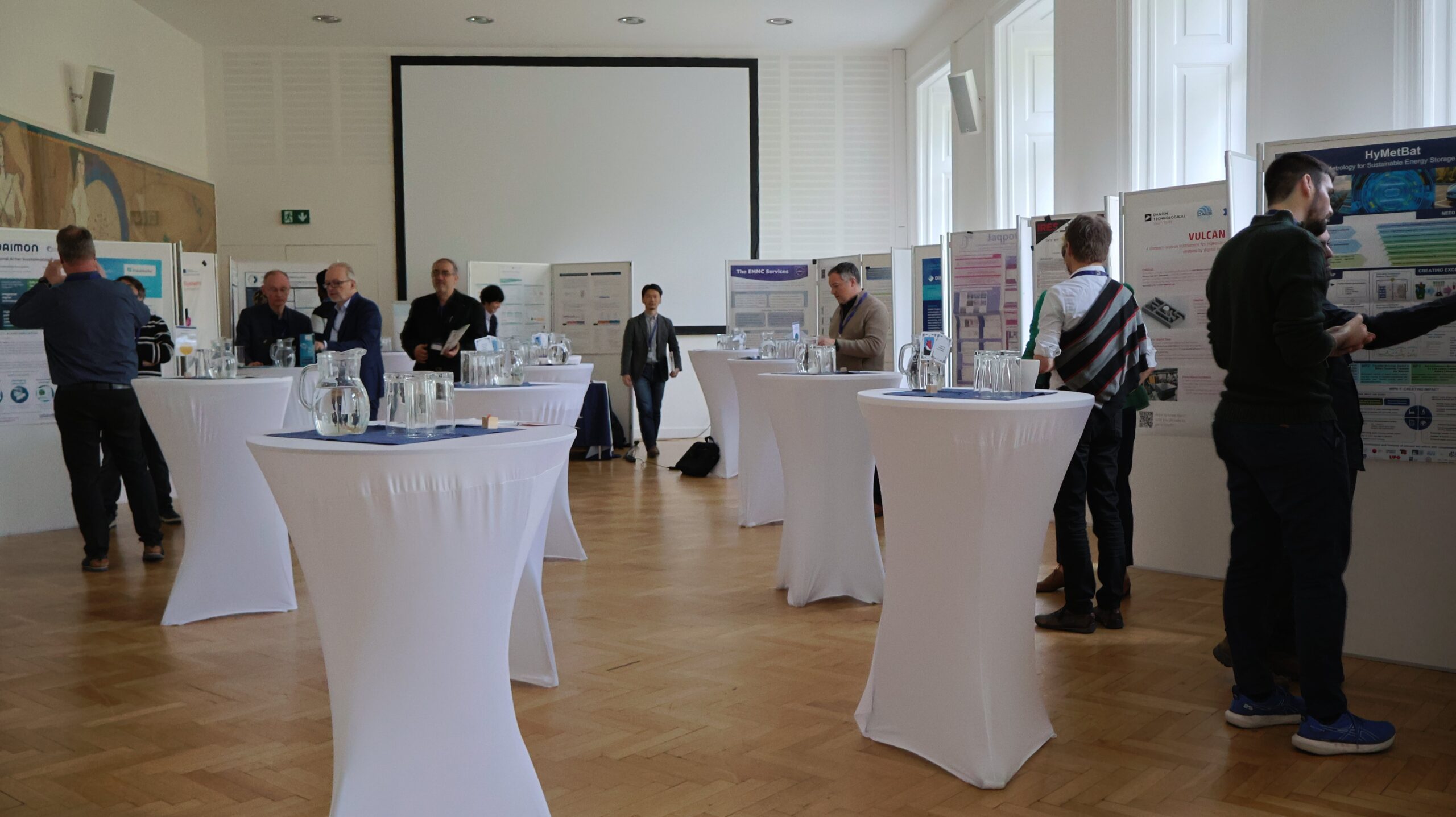
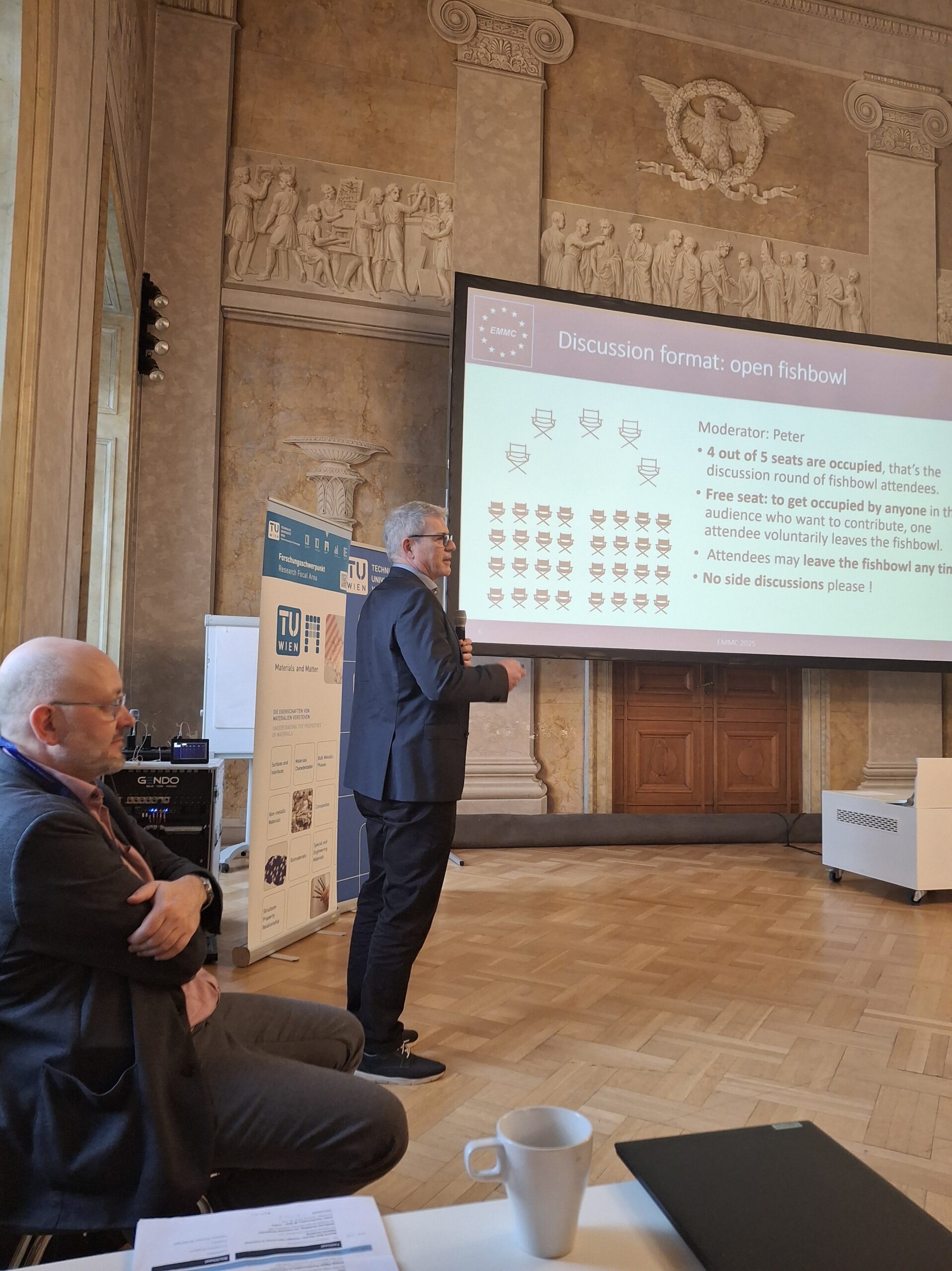
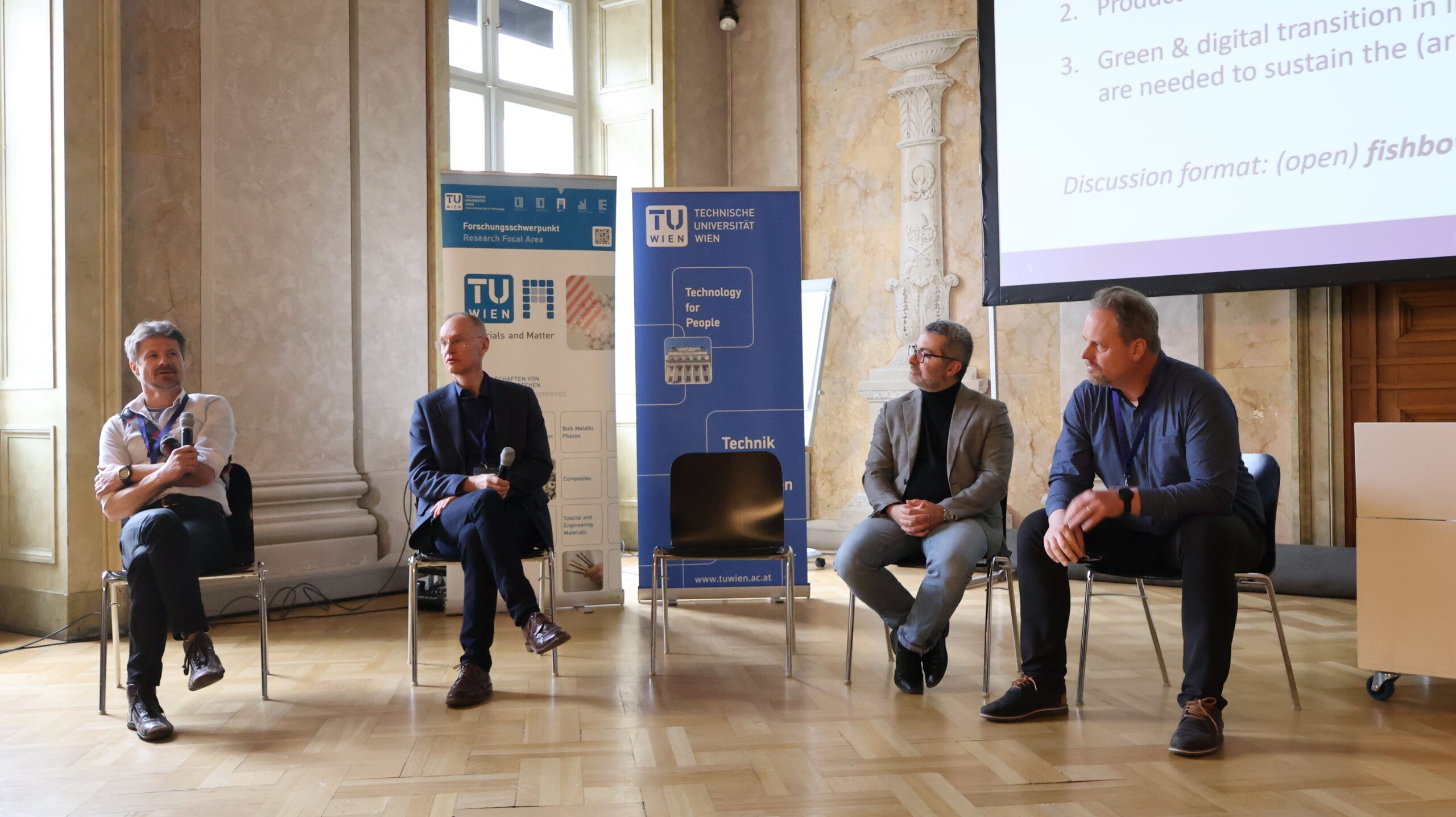
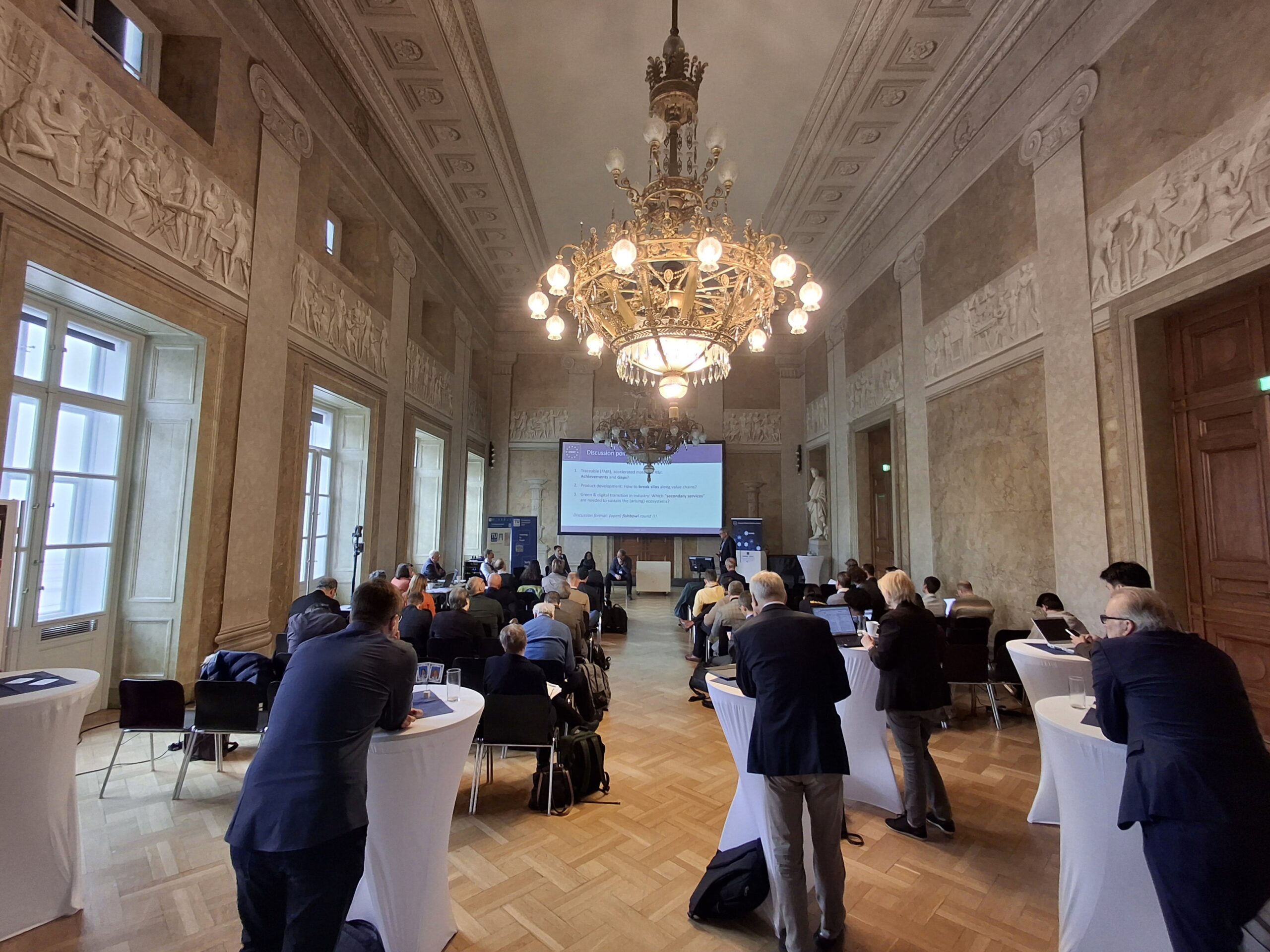
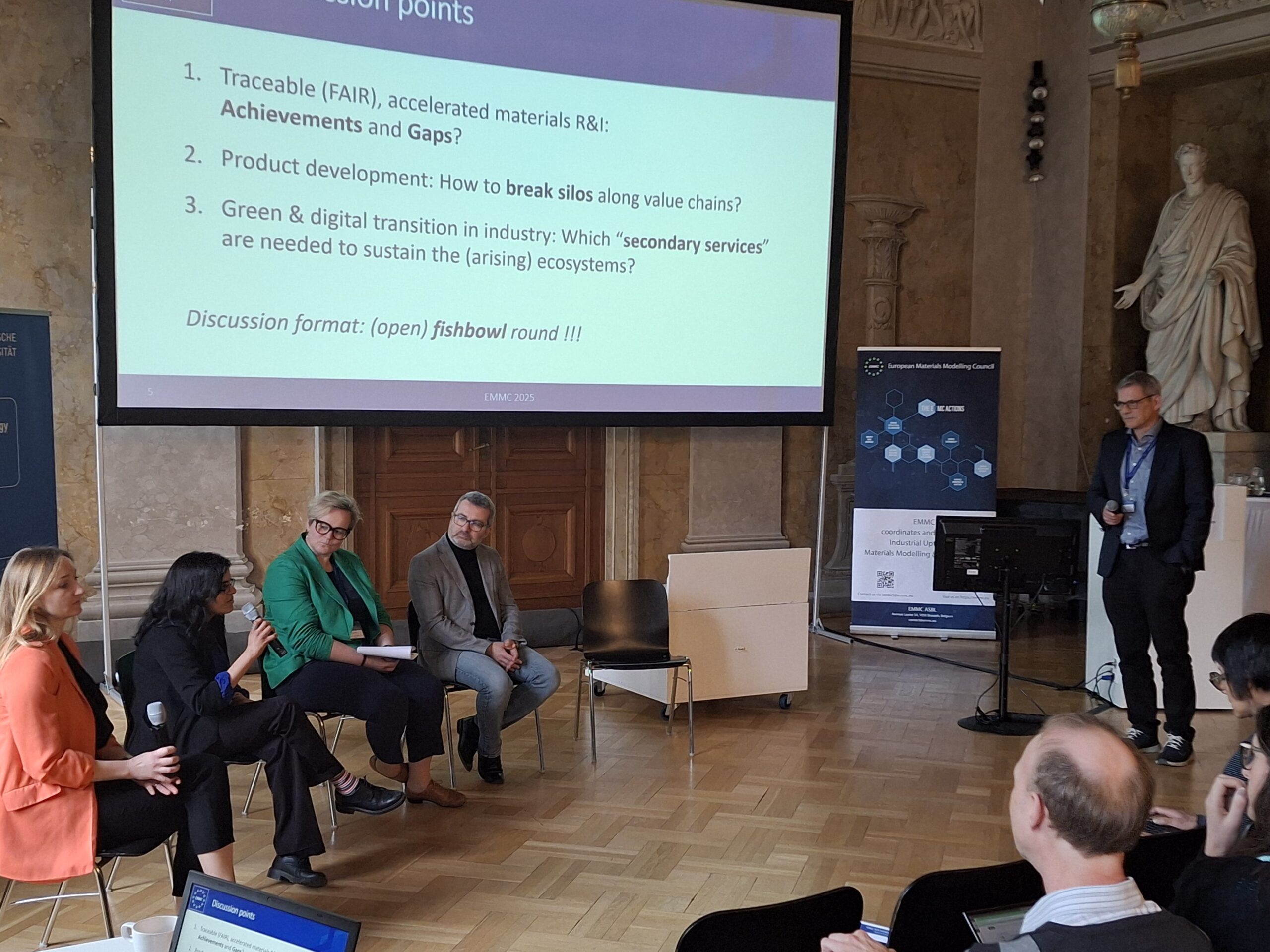
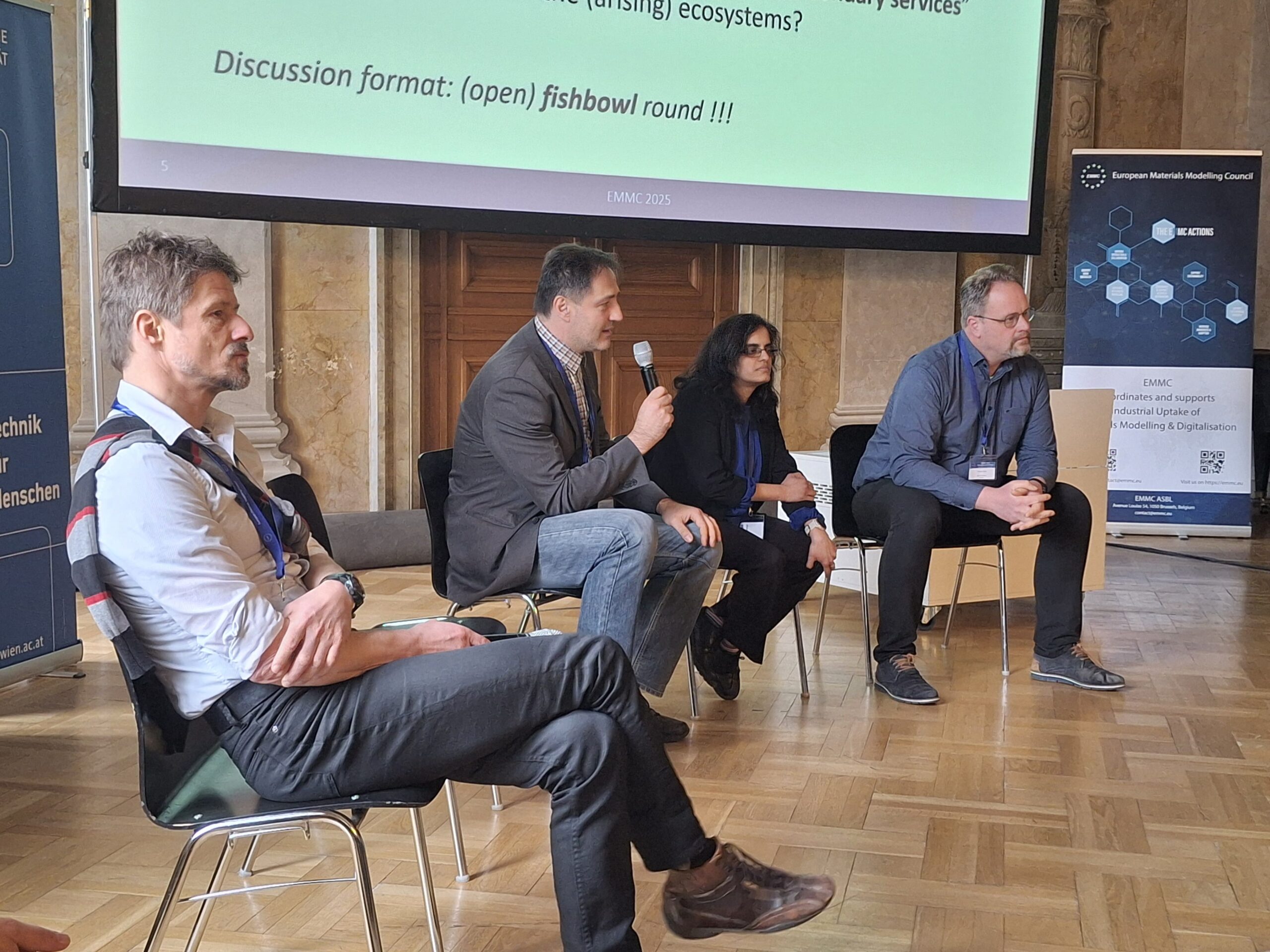
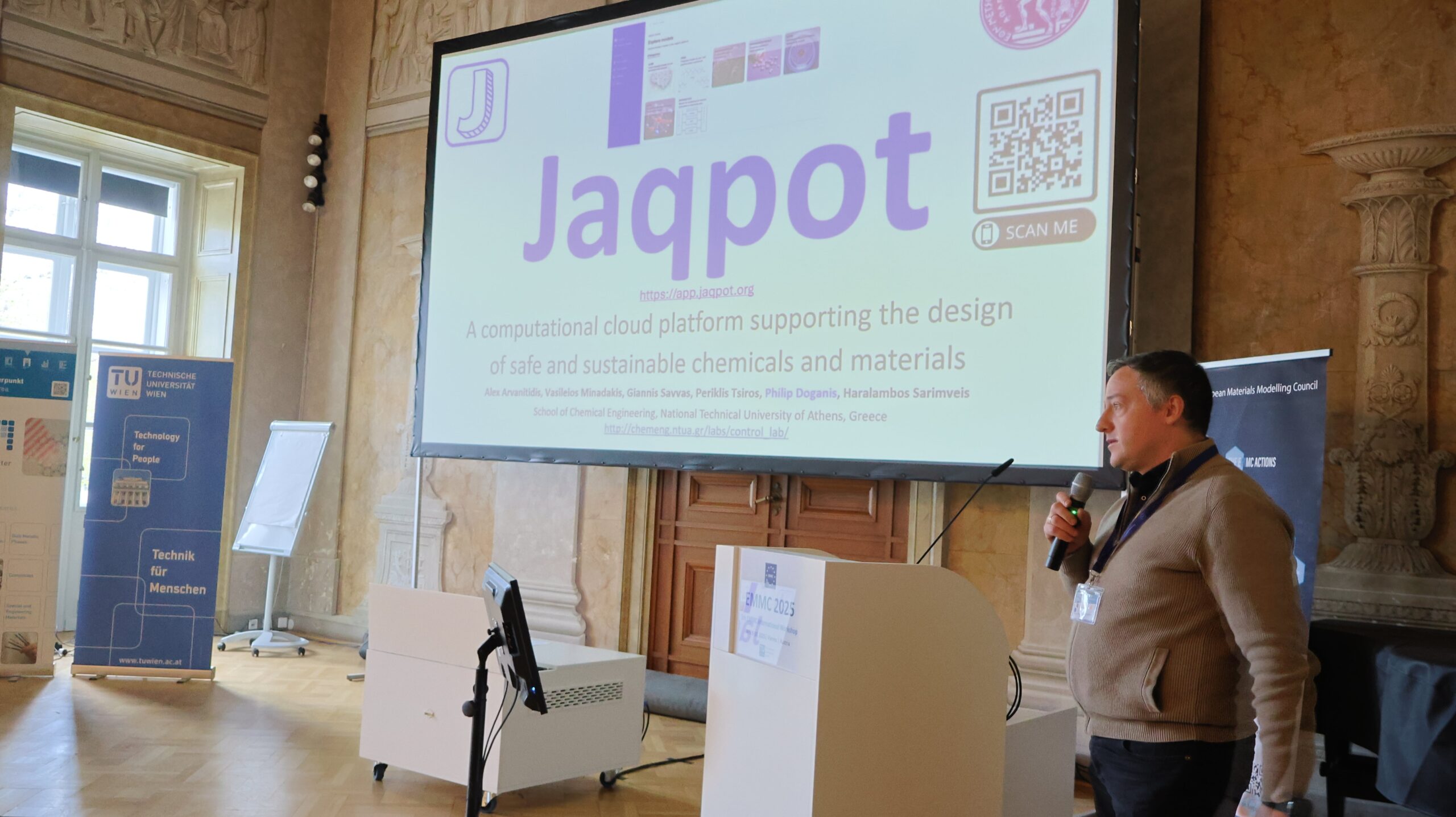
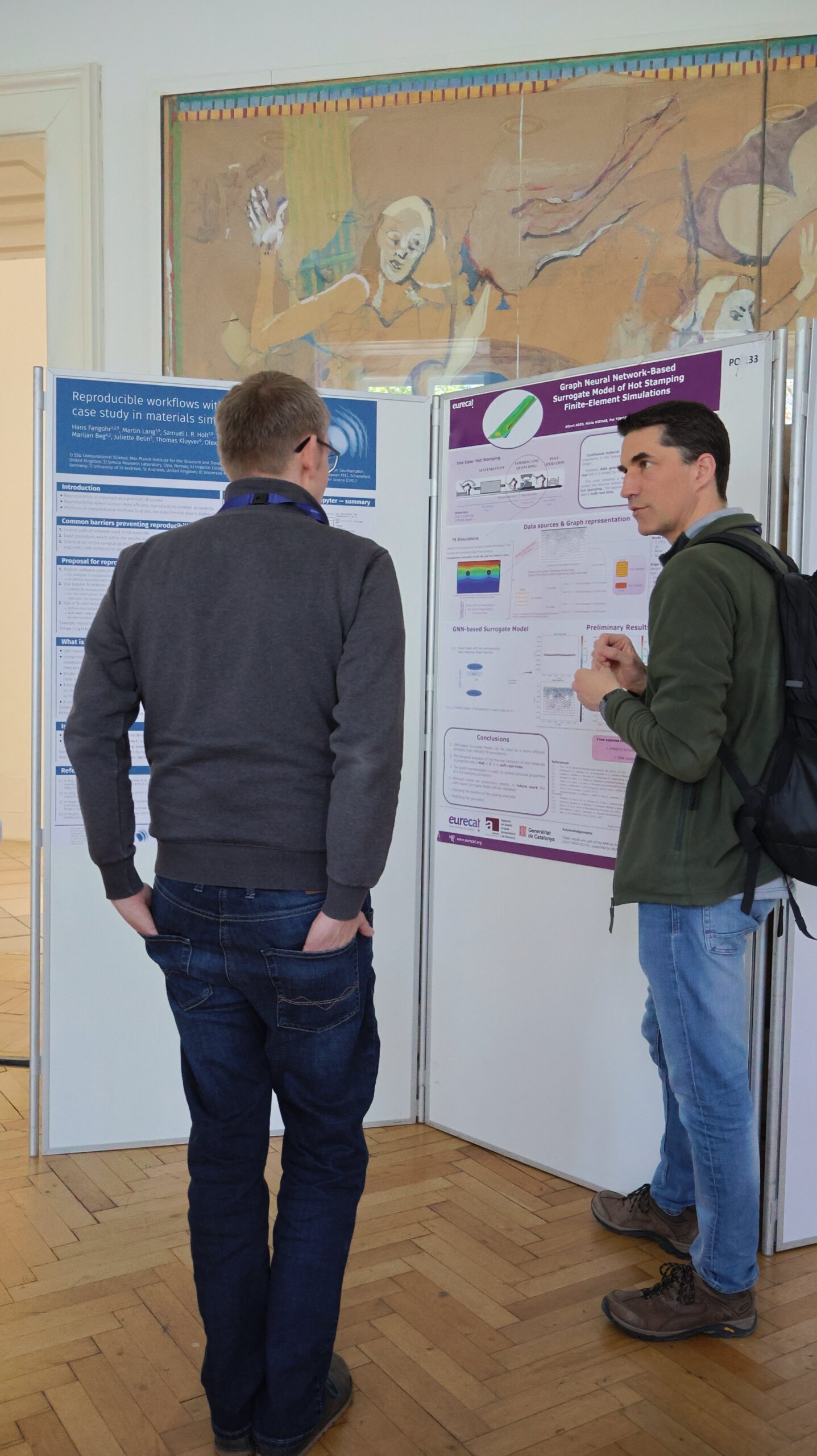
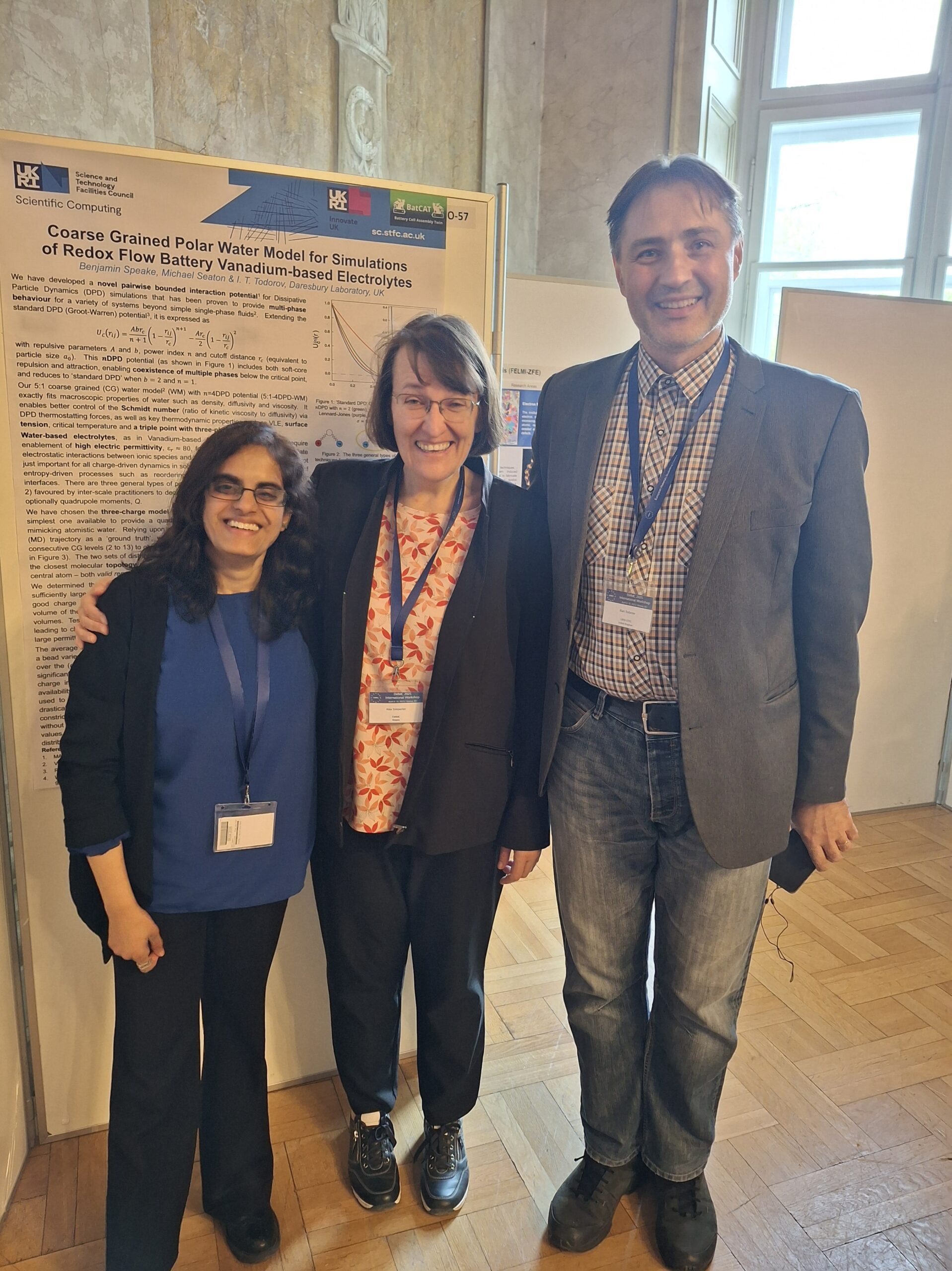
EMMC 2025 will again be located in central Vienna, in the main building of TU Wien. It will feature high-level plenaries from leading experts in industry and academia, discussion sessions stimulated by invited “Impulse” talks, and contributed posters with short presentations in each session.
[1] See also the EC Communication on Advanced Materials for Industrial Leadership
[2] See Materials 2030 Roadmap https://www.ami2030.eu/roadmap/ , and EMMC Roadmap on Digital Transformation of Materials Science https://old.emmc.eu/wp-content/uploads/2024/01/EMMC_Roadmap-v2023.03-v3-publ.pdf
Sponsors

Plenary Talks
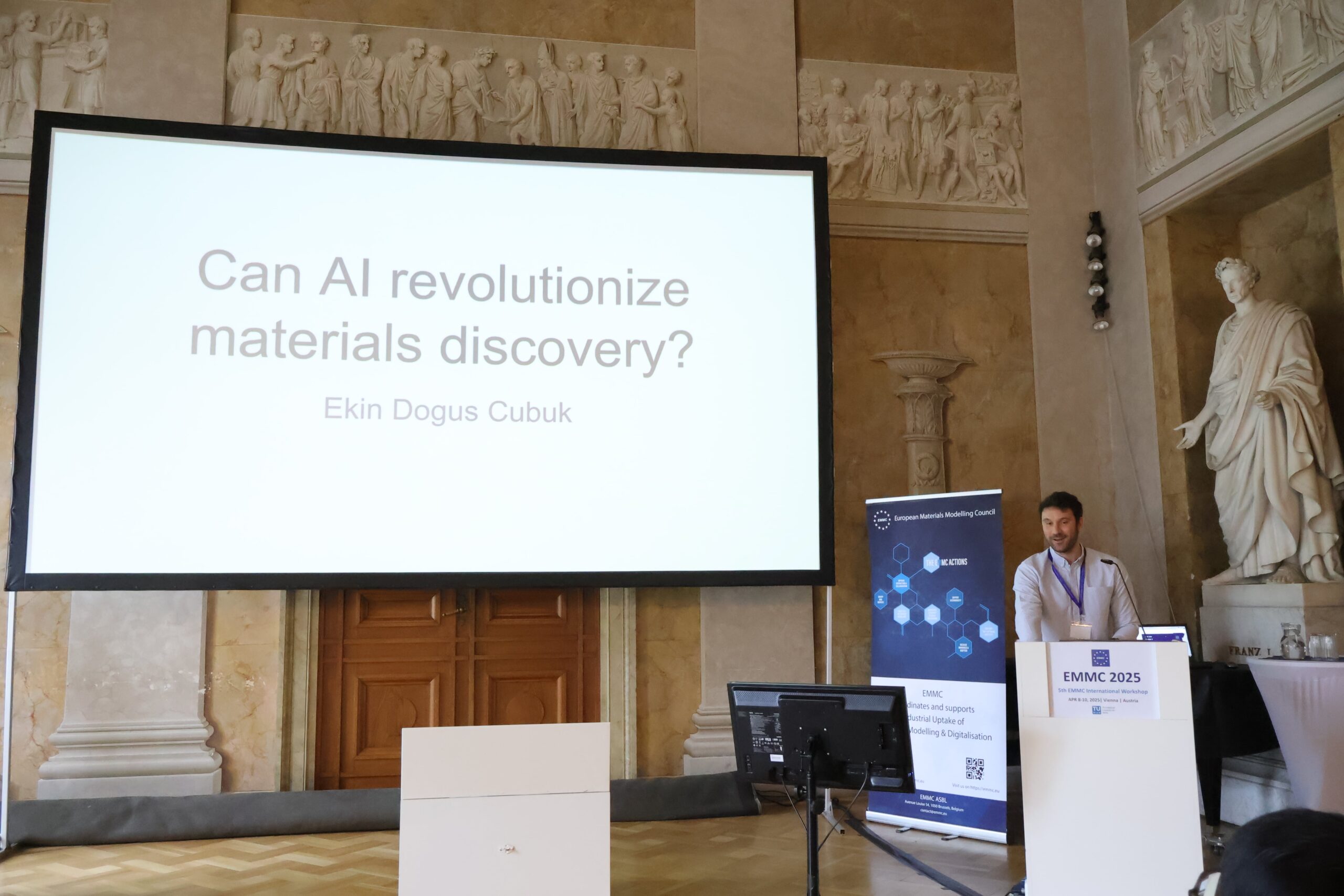
Ekin Dogus Cubuk (Google DeepMind, USA)
Can AI revolutionize materials discovery?
Chiara Pernechele (Dallara Automobili spa, Italy)
Advanced and sustainable composite materials in motorsport: an industrial perspective
Masahiko Demura (NIMS, Japan)
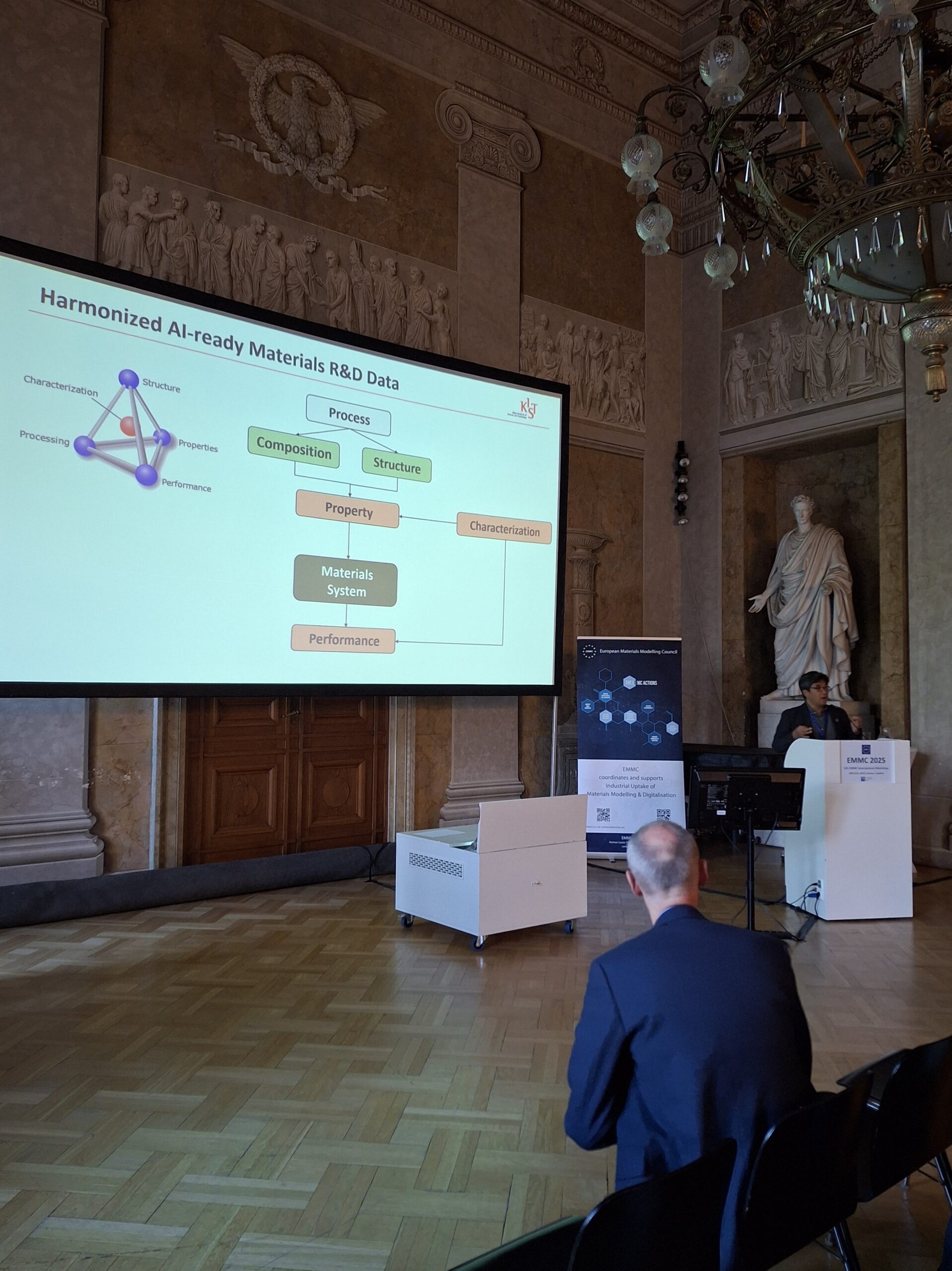
Materials DX Platform Initiatives in Japan
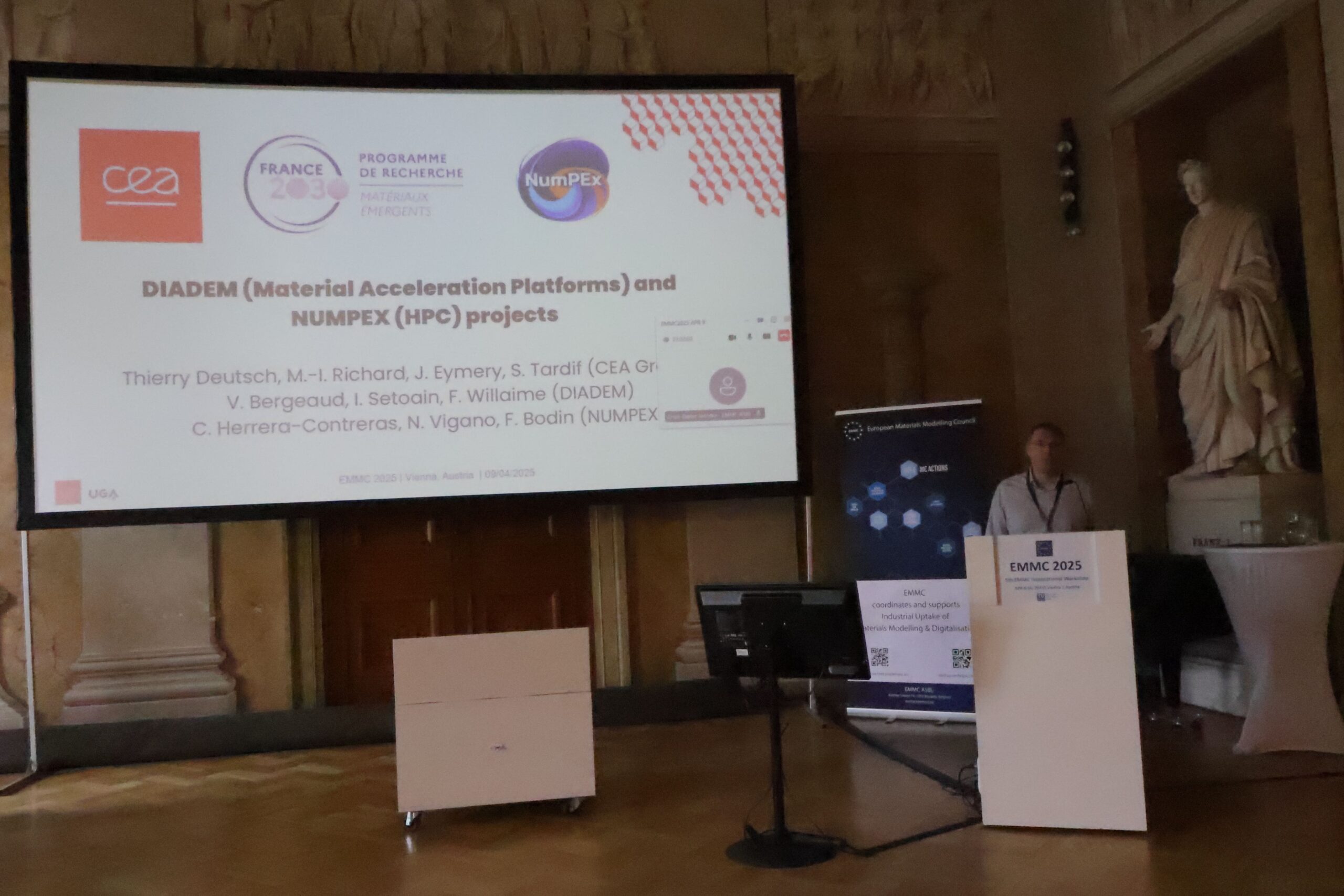
Thierry Deutsch (CEA, France)
DIADEM (Material Acceleration Platforms) and NUMPEX (HPC) projects
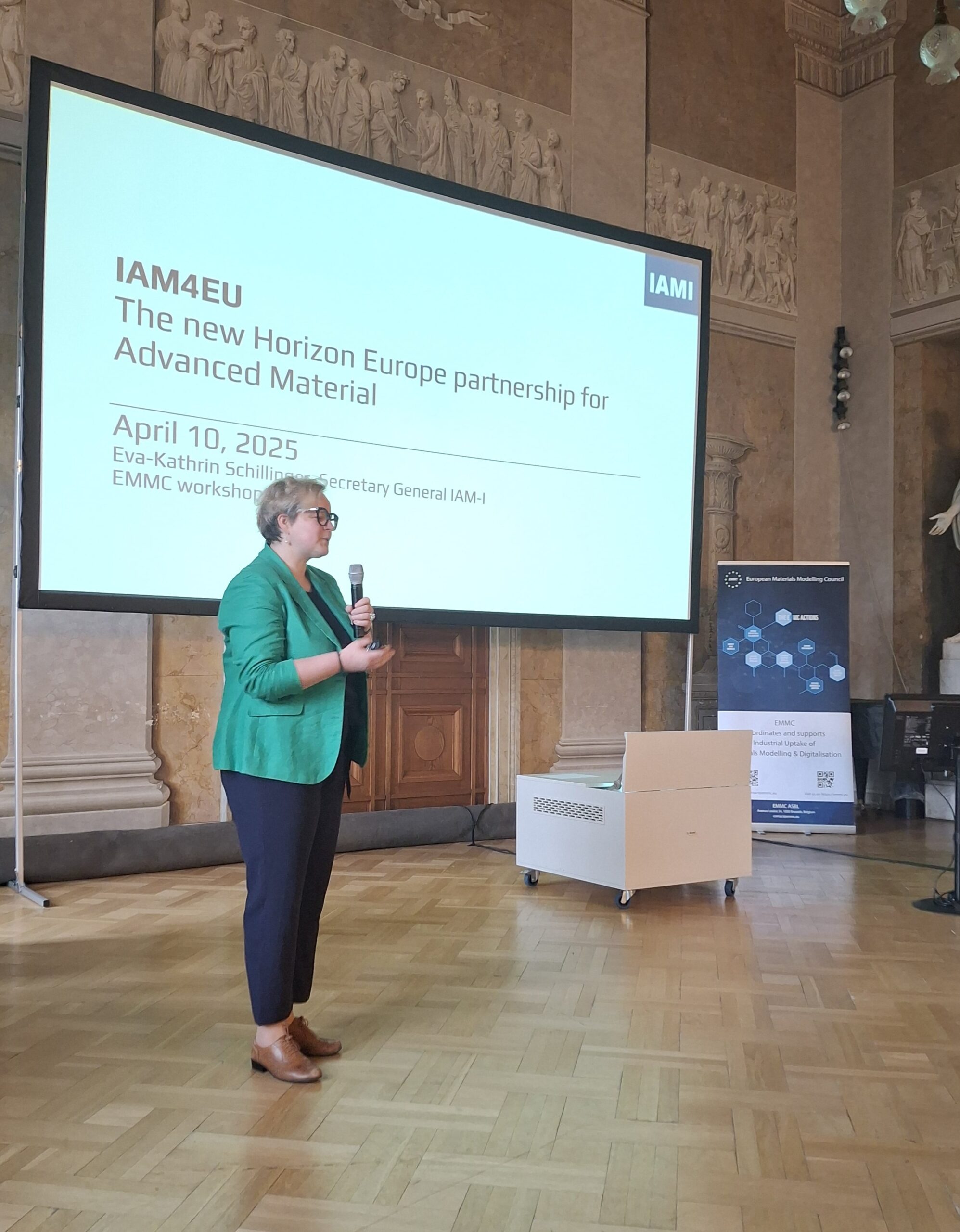
Eva-Kathrin Schillinger (IAM-I, Belgium)
IAM4EU – the new co-programmed public private partnership for Advanced Materials under Horizon Europe
David Rouquie (ECETOC, Belgium)
Contribution toward safer and sustainable- by-design crop protection products
Wide Hogenhout (EC-DG RTD – unit “Industrial Transformation”, Belgium)
Strategy on Advanced Materials for European Leadership
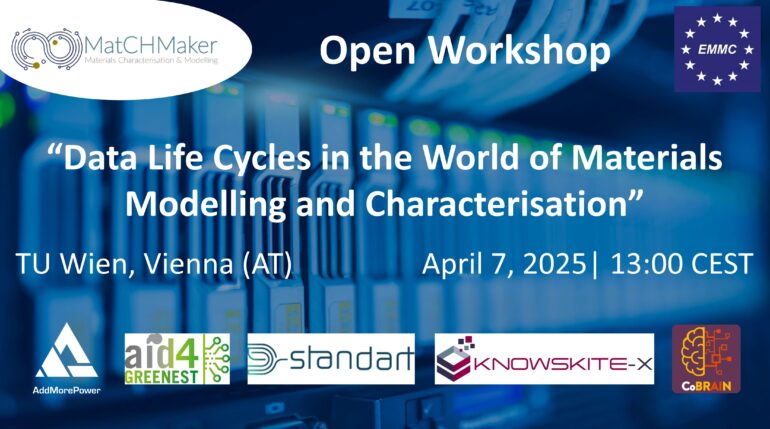
Monday, April 7, 2025 – Satellite Events
Tuesday, April 8, 2025
Session 1 – Next Generation Materials Modelling
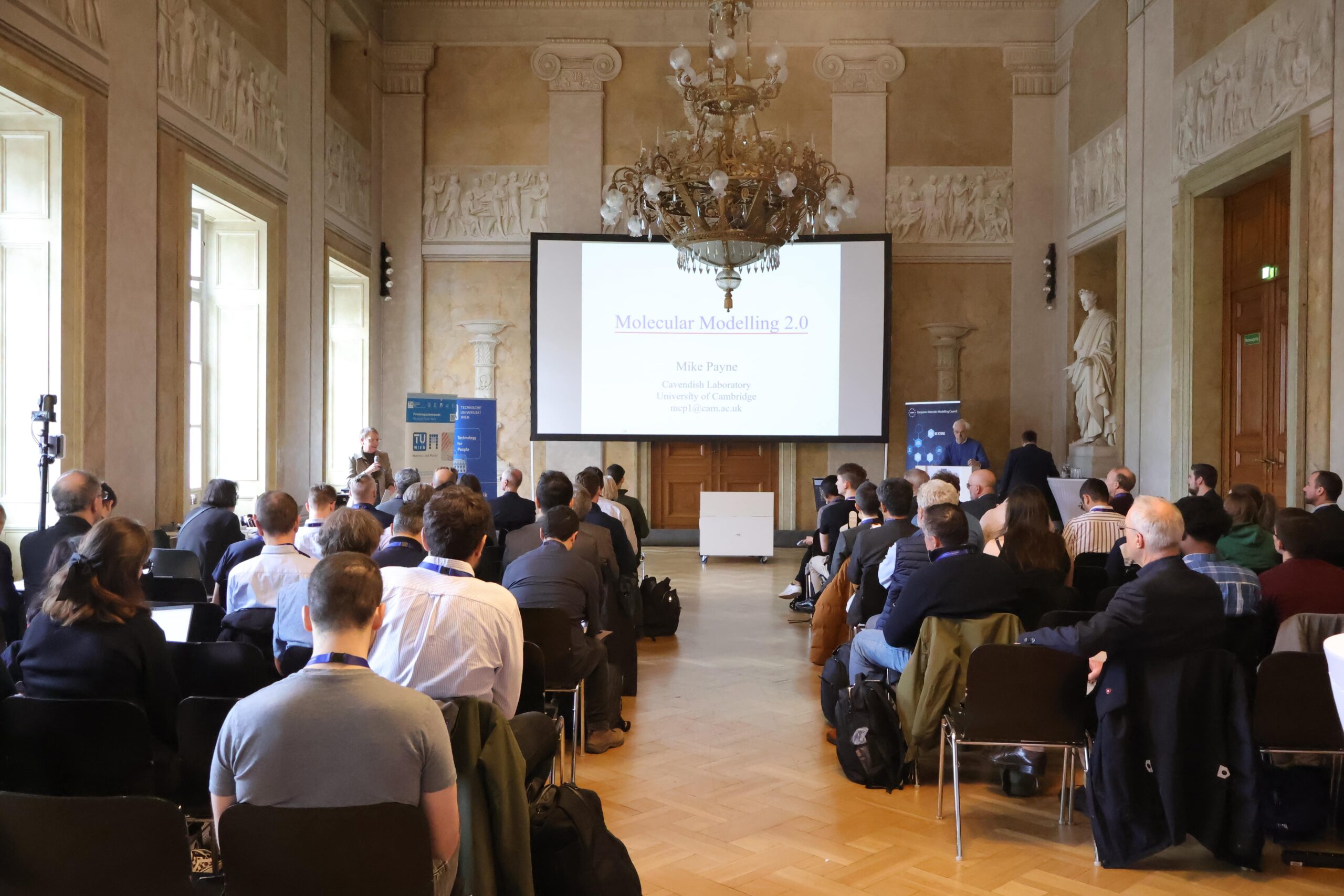
Materials Modelling 2.0
by Mike Payne (Cavendish Laboratory, University of Cambridge, UK)
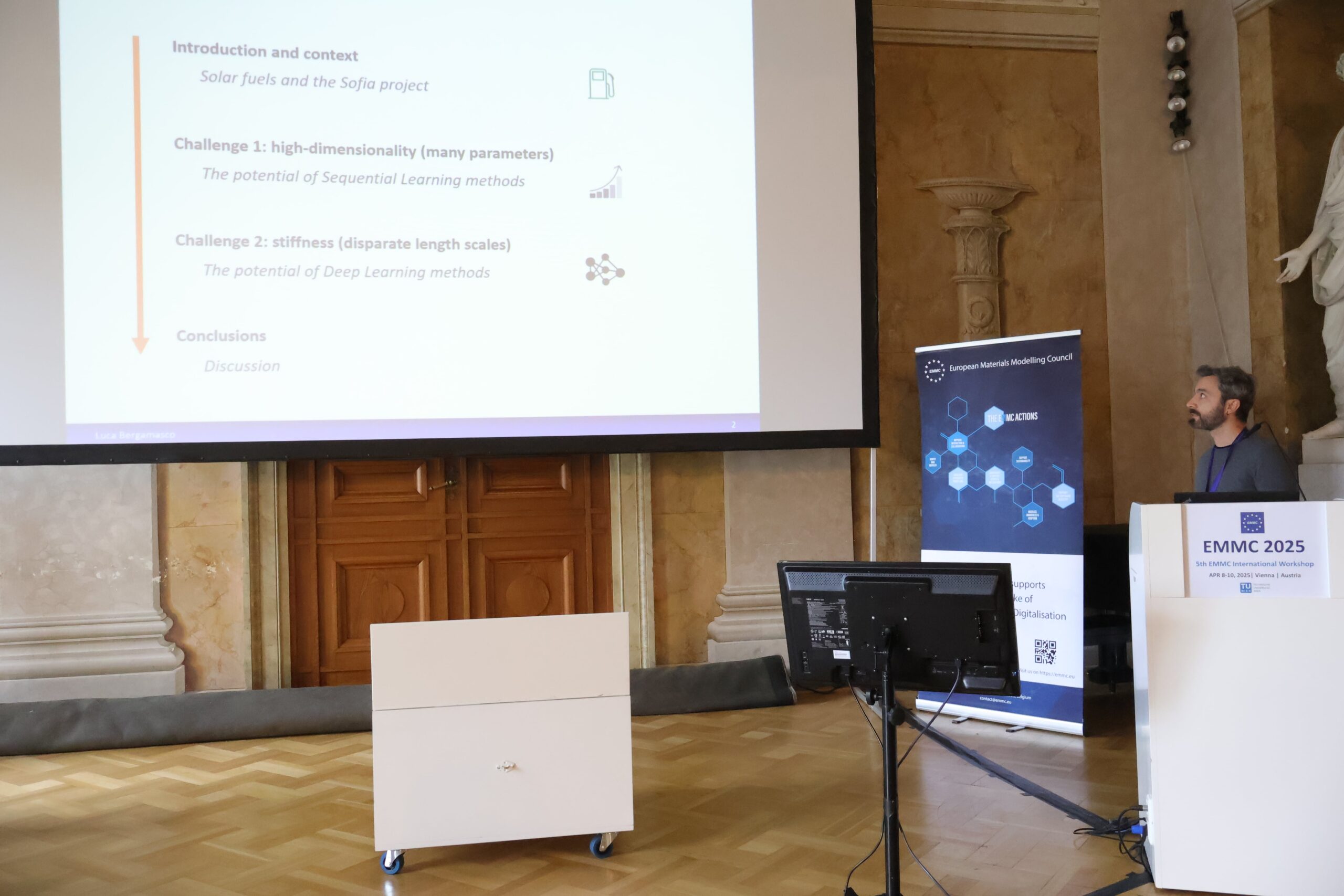
Bridging physics and AI: the potential of data-driven approaches for advanced energy materials and solar fuels
by Luca Bergamasco (Politecnico di Torino, IT)
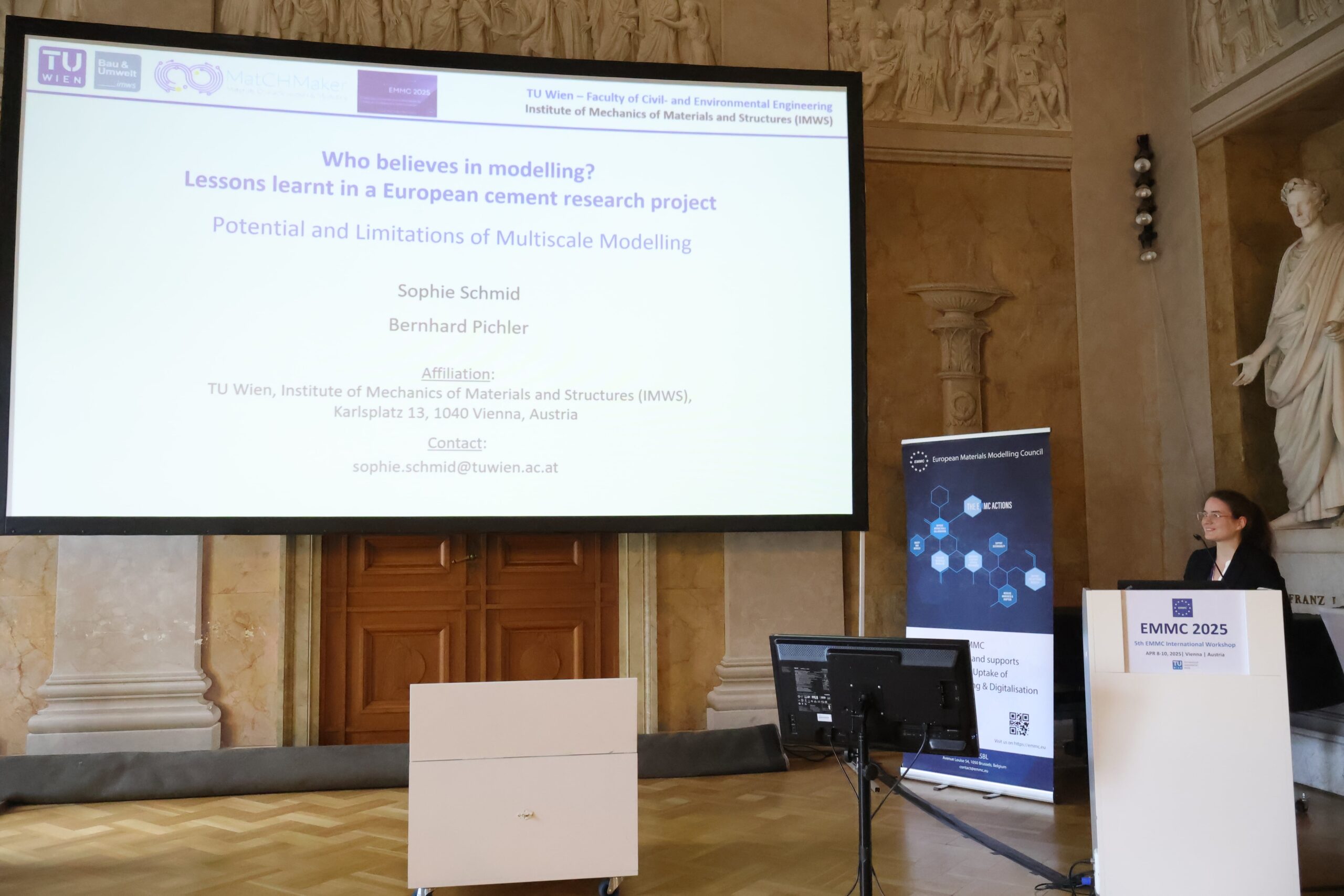
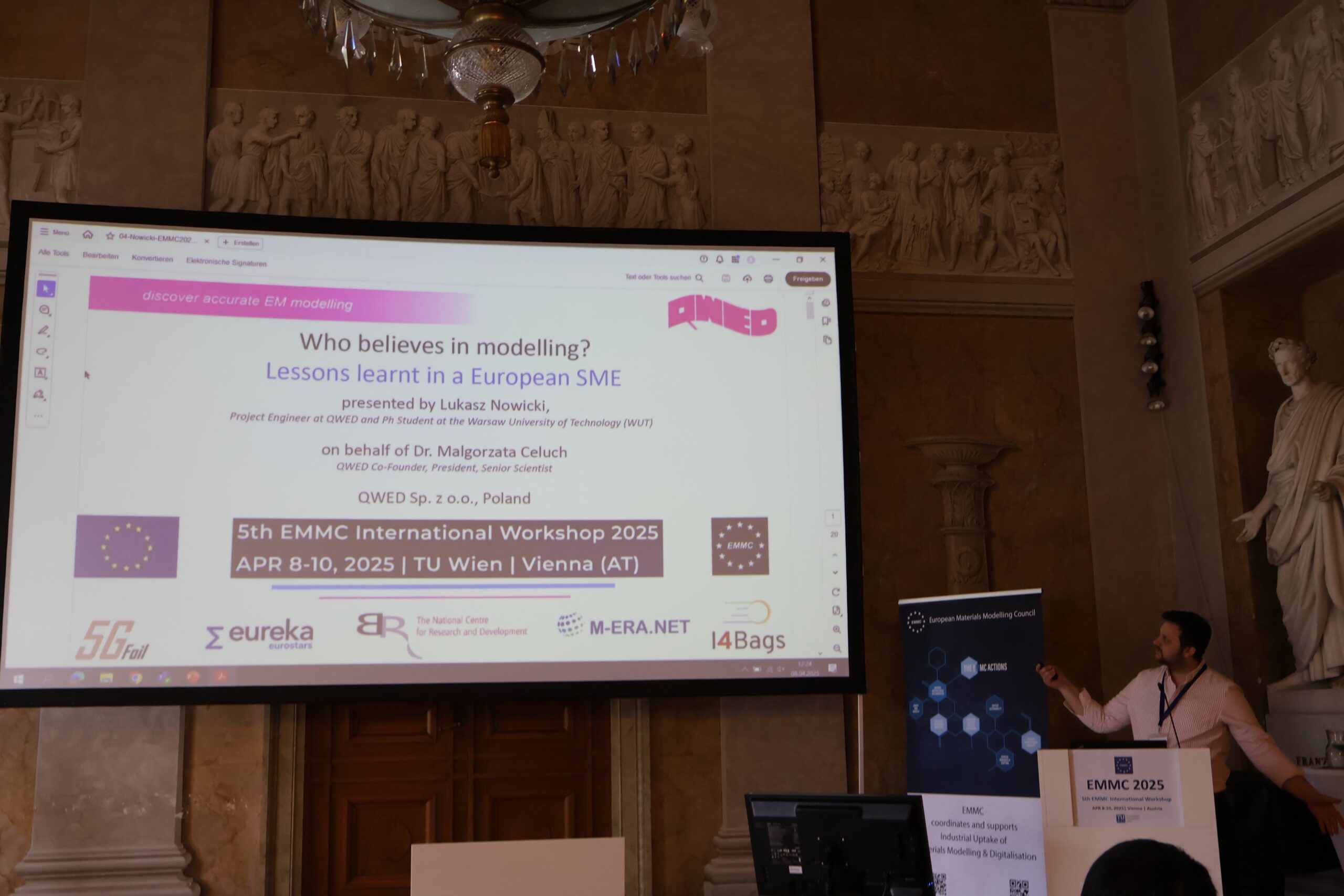
Who believes in modelling?
Lessons learnt in a European cement research project
by Sophie Schmid (TU Wien, AT)
Lessons learnt in a European SME
by Lukasz Nowicki (QWED, PL)
Session 2 – Driving Innovation and Sustainability in Advanced Materials
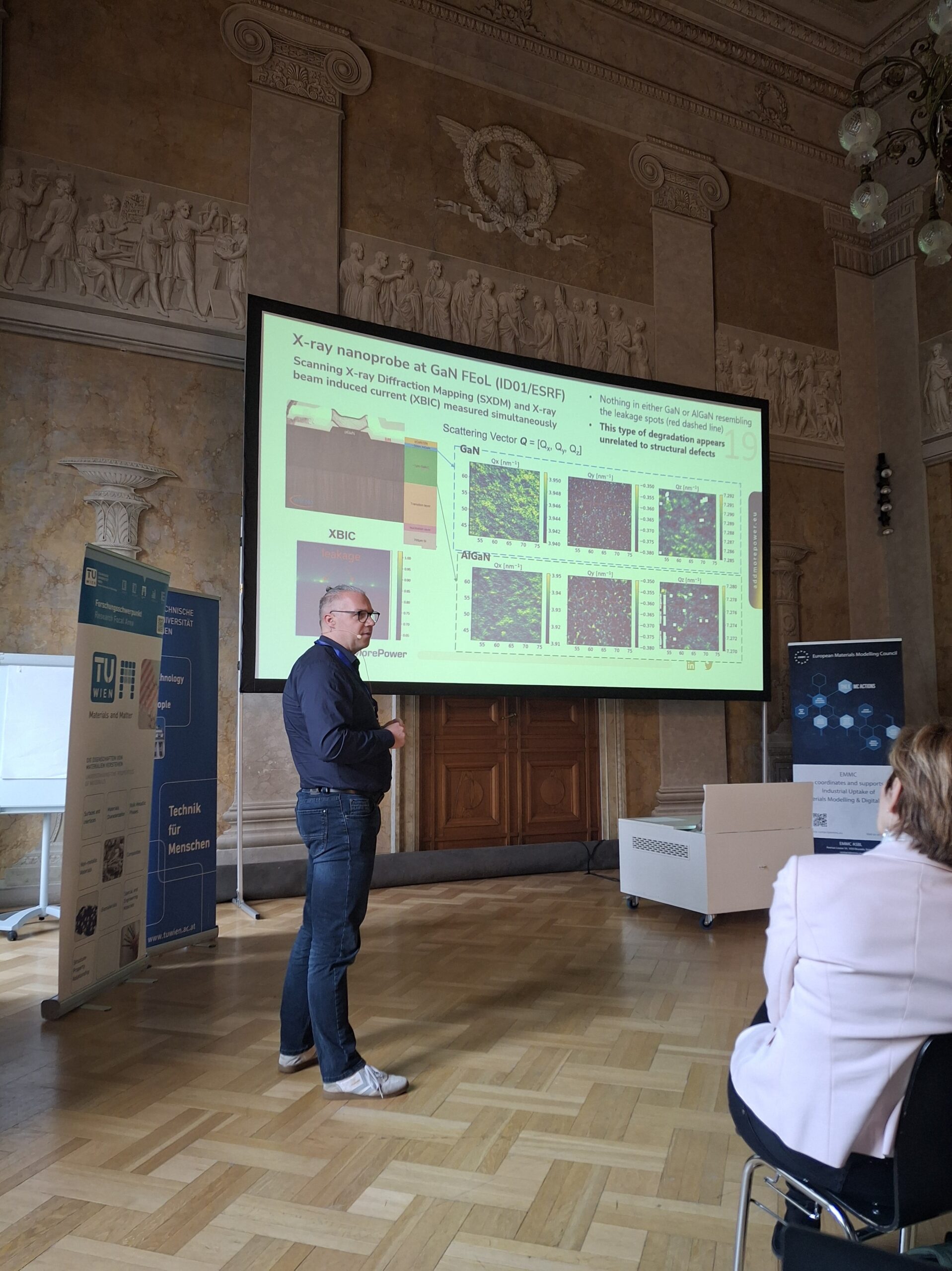
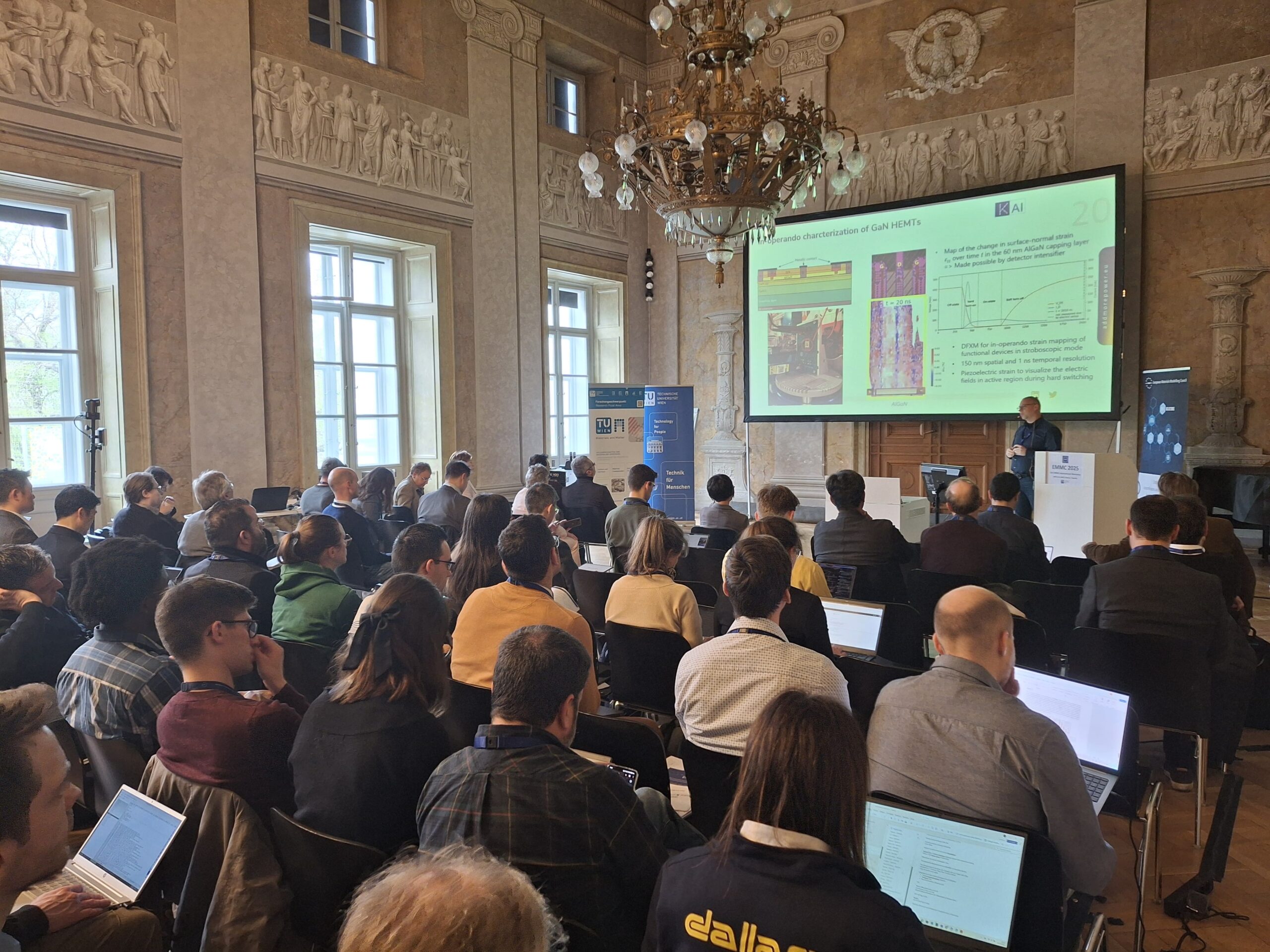
Advanced modelling and characterization for next-generation power devices
by Andre Clausner (Fraunhofer IKTS, DE)
Pushing the limits in space and time using advanced synchrotron characterization techniques for microelectronics applications
by Peter Imrich (KAI GmbH, AT)
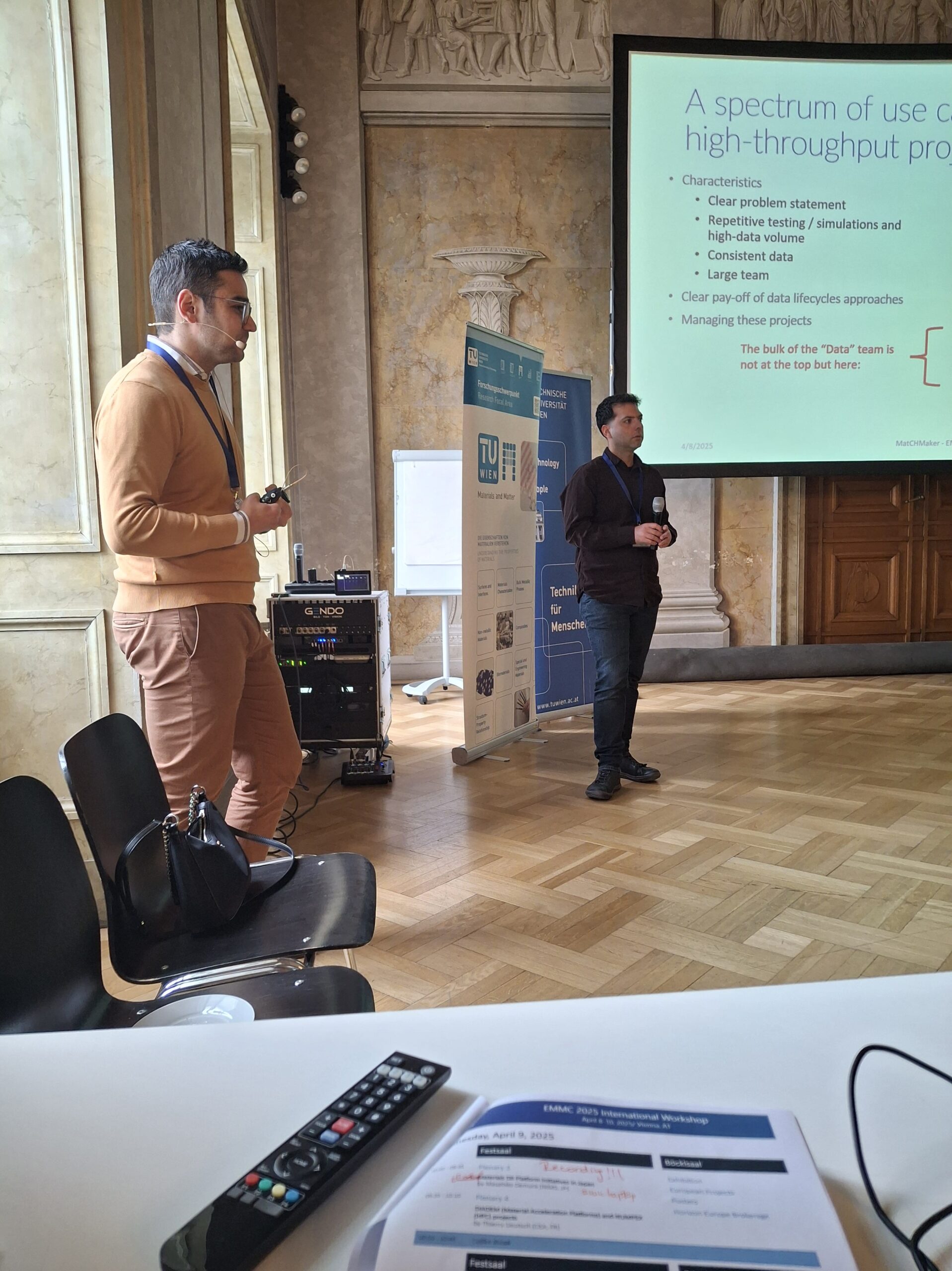
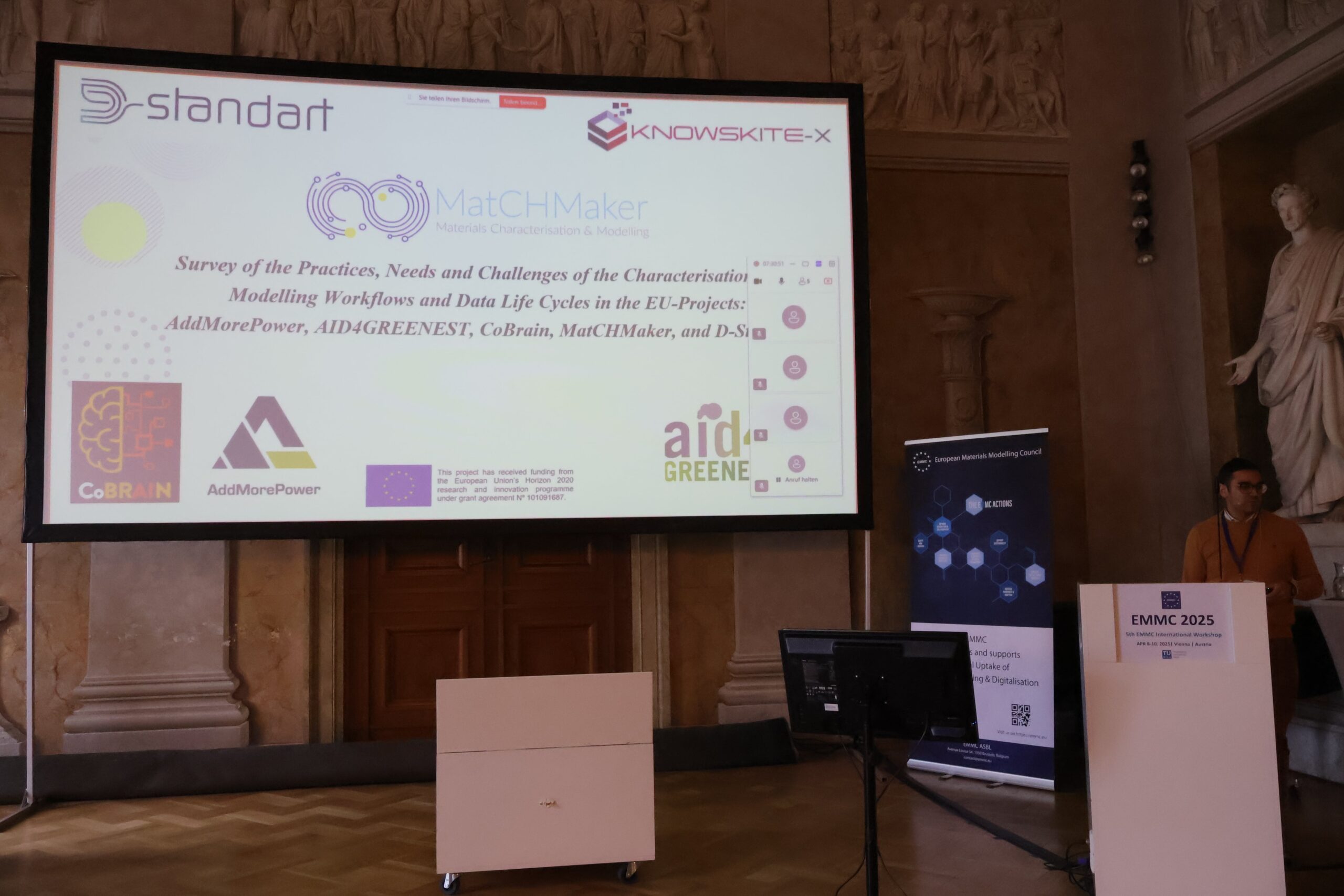
Survey of the practices, needs and challenges of the characterisation and modelling workflow in the EU-Projects: AddMorePower, AID4GREENEST, CoBrain, MatCHMaker and D-Standart
by Alexandre Ouzia (Heidelberg Materials, DE)
D-STANDART: Upgrading materials characterization for composite structures
by Julian DeMarchi (NLR, NL)
Wednesday, April 9, 2025
Session 3 – Interoperability and data sharing across boundaries
Event-Driven Foundations of Autonomy: Laboratories and Digital Twins
by David Elbert (Johns Hopkins University, USA)
Ontology-Driven Digitalisation of Laboratory Research in Materials Science
by Marta Dembska (DLR, DE)
Digital Transformation in Materials Science and Engineering: Advancing Ontologies through the German Initiatives Platform MaterialDigital (PMD) and NFDI-MatWerk
by Hossein Beygi Nasrabadi (FIZ Karlsruhe, DE)
EMMO 1.0.0 release
by Emanuele Ghedini (UNIBO, IT)
Materials Commons – the EU and Austrian perspective
by Alexander Pogány, (Federal Ministry Republic of Austria, AT)
Session 4 – AI driven software and digital infrastructures design and performance
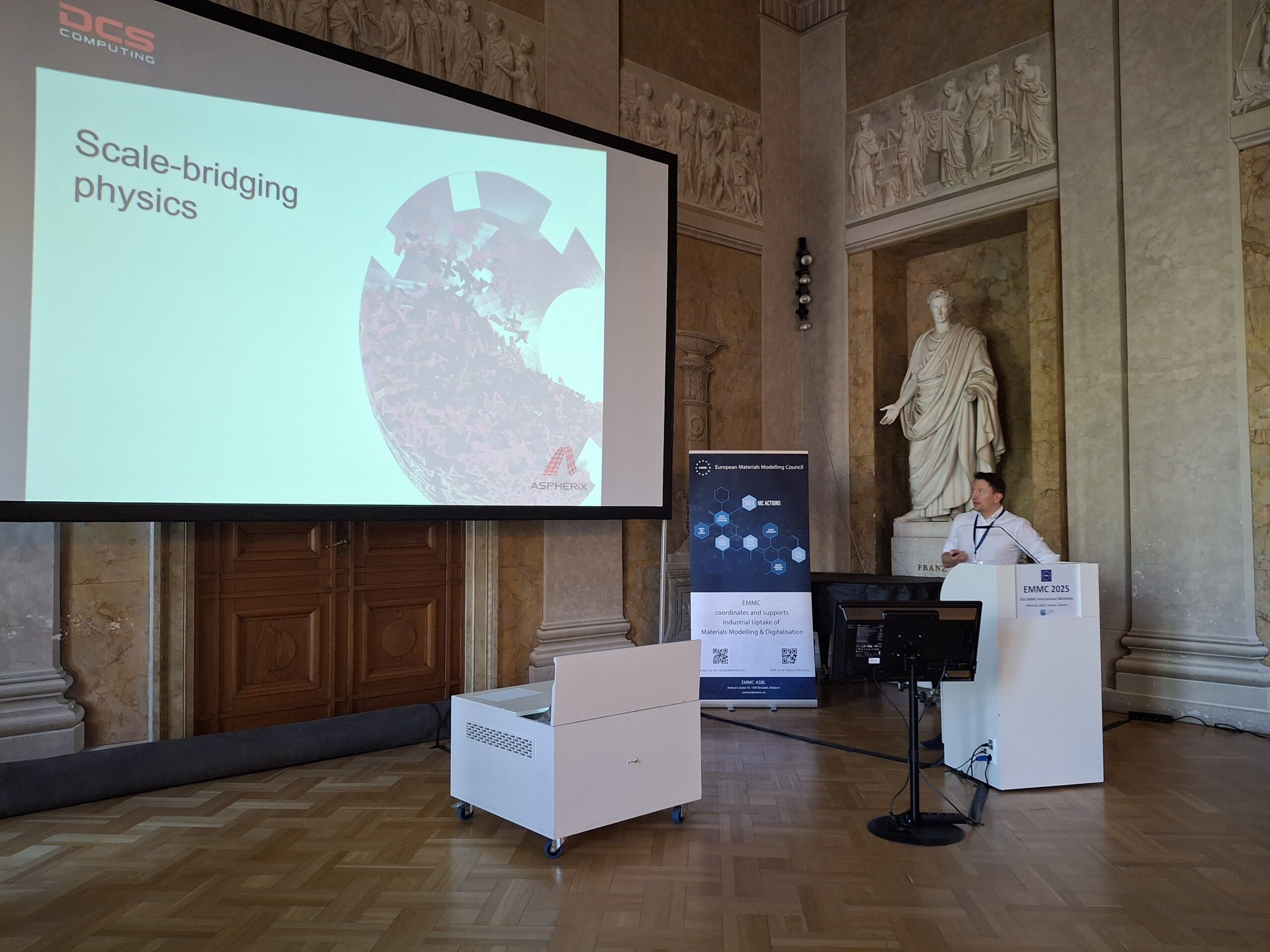
Materials modelling across different scales with different tools – a perspective from the meso scale
by Christoph Kloss (DCS-Computing, AT)
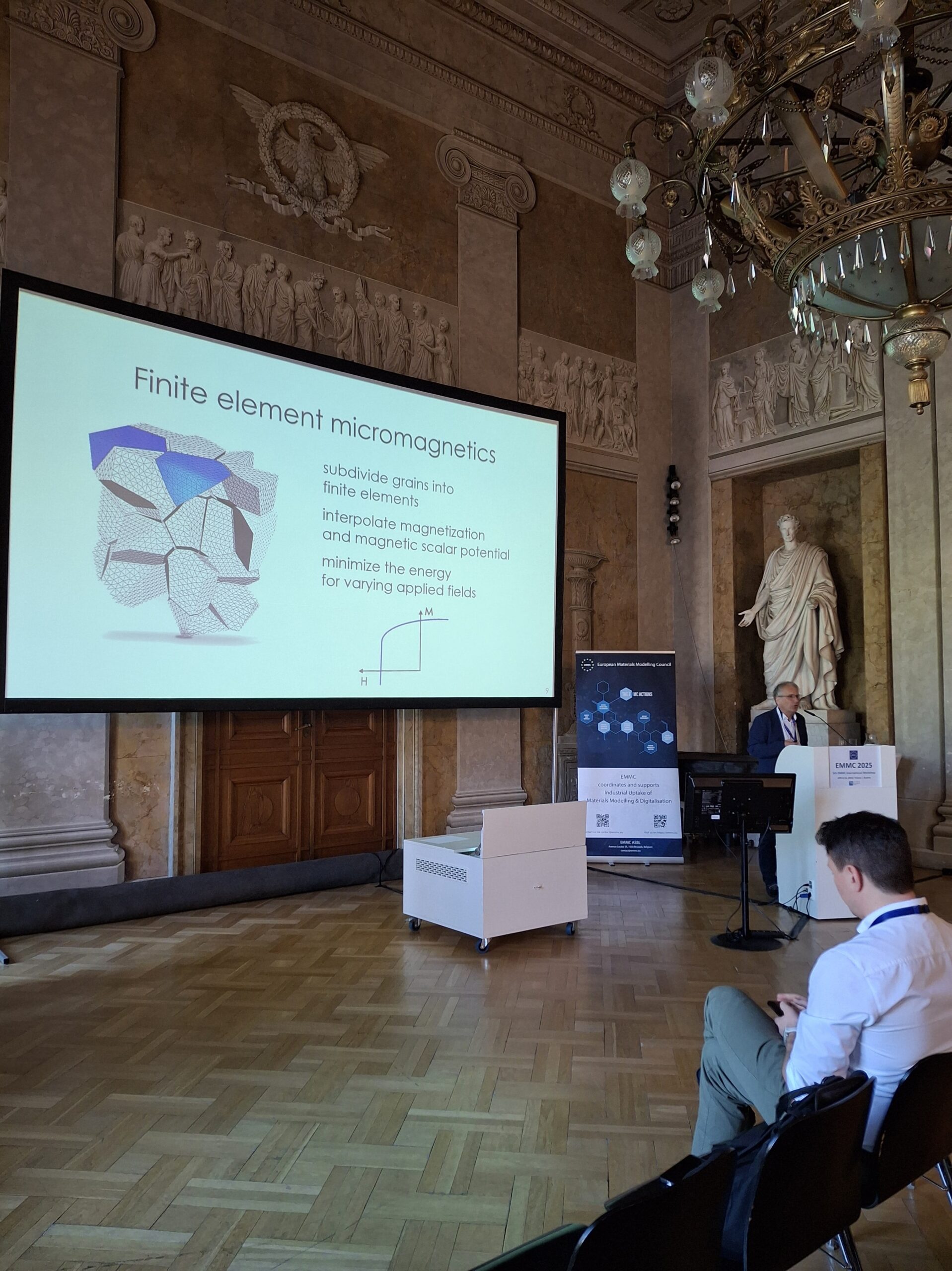
Challenges in magnetic materials modelling
by Thomas Schrefl (University for Continuing Education Krems, AT)
AI in Materials Modelling: A Game Changer?
by Volker Eyert (Materials Design, FR)
Thursday, April 10, 2025
Session 5 – Adoption in industrial ecosystems
Beyond Basic Models: Strategic Approaches to Industrial Material Modeling
by Patrycja Polinska (Goodyear, LU)
Multiscale Modelling : An Industrial Perspective
by Misbah Sarwar (Johnson Matthey, UK)
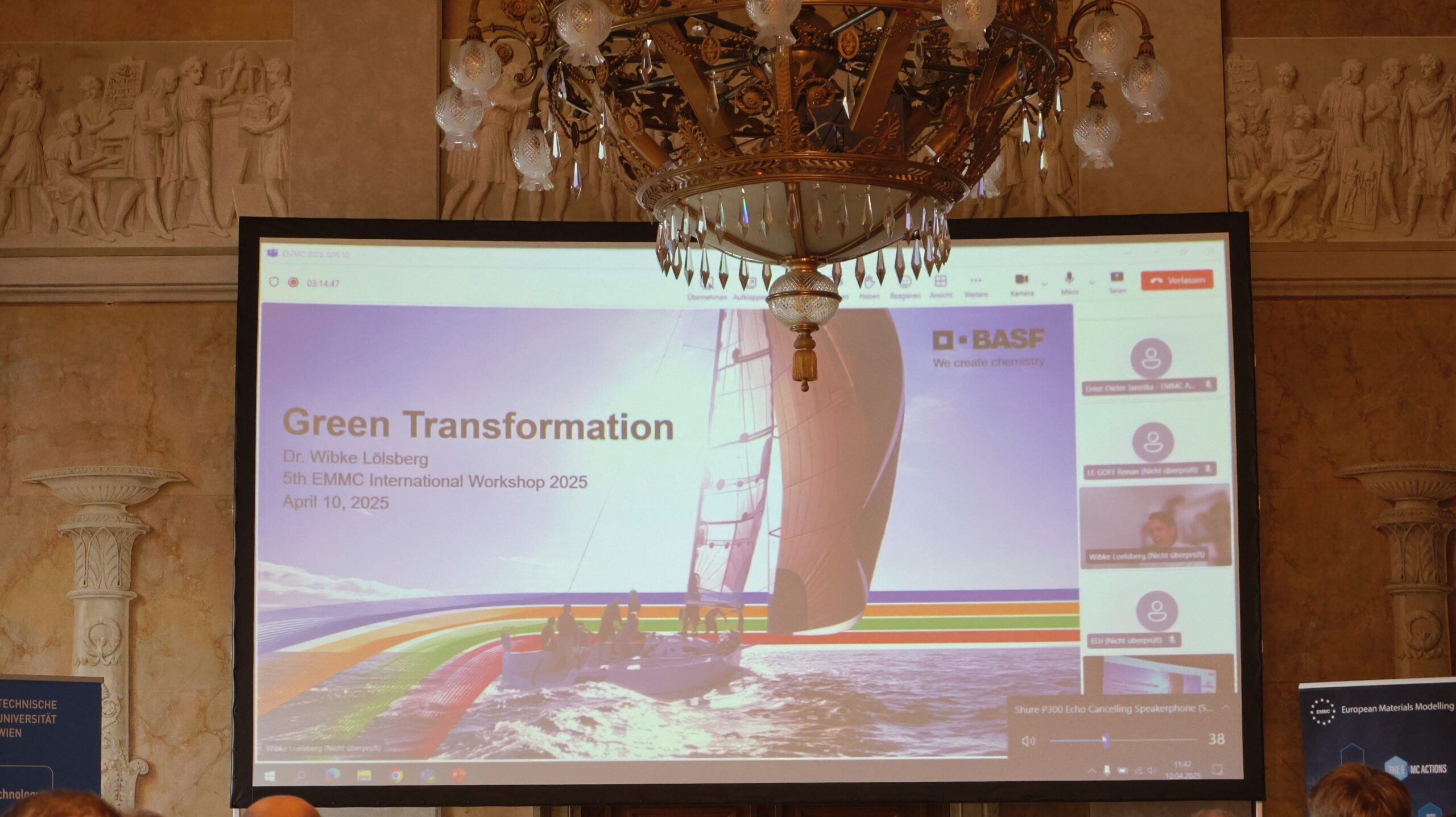
Green Transformation @ BASF – Online
by Wibke Lölsberg (BASF SE, DE)
Session 6 – Sustainability as innovation driver for a zero-pollution and climate-neutral future
M2DESCO SSbD methodologies applied to the design of metallurgical coatings based on high entropy multielement compositions
by Gonzalo Garcia Fuentes (Asociación de la Industria Navarra, ES)
Computational model integration across SSbD dimensions on advanced materials and chemicals: development driven by industry and innovators needs
by Martin Himly (Paris Lodron Universität Salzburg, AT)